Carnegie Moscow Center



While the coastal states of Asia tend to garner the most attention internationally, developments in the continent’s interior can play a major role in the stability and security of Asia as a whole.
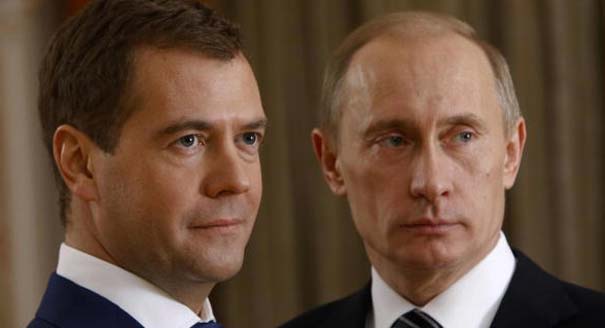
By the beginning of the twenty-first century, Russia had recovered from its domestic crisis, and so had its global ambitions. While Moscow’s principal interests still lie mostly toward the West, the Middle East is back on Moscow’s radar screen and Russia’s withdrawal from the region has been reversed.
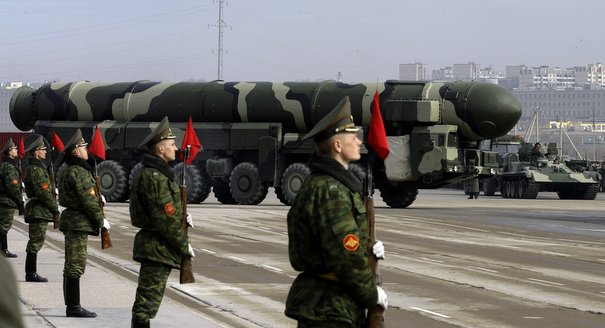
While Russian leaders support the idea of a world free of nuclear weapons in theory, the Russian security community is still committed to the principle of nuclear deterrence.
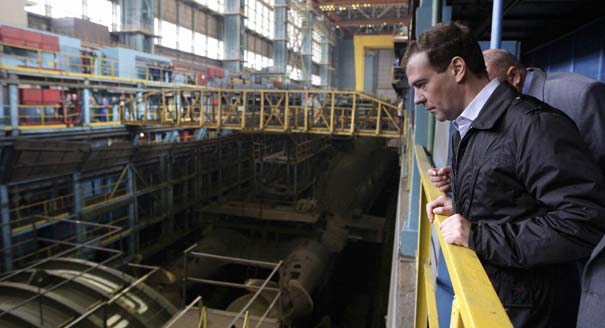
The global economic crisis emphasized Russia’s need to modernize or face marginalization. The current brand of conservative modernization, however, is unlikely to succeed, leading to a showdown between true modernizers and conservatives.
Rather than focus on preserving its status as a great power, Russia’s foreign policy should aim toward comprehensive modernization. Cooperation with Europe will be crucial to achieving that goal.
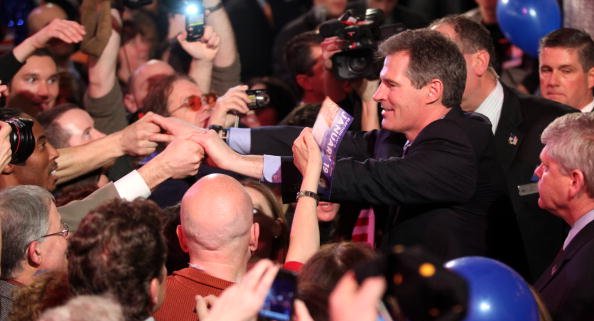
Republican Scott Brown's victory in the United States is an event of both national and international significance. The Democrats have lost the qualified majority needed to pass bills and ratify international agreements without holdups.
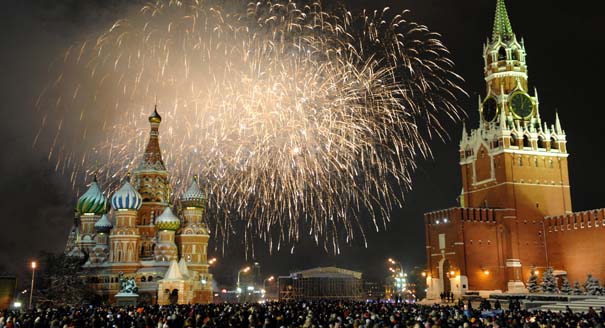
Russian policy makers need to open space for public debate and engage in substantive discussions on critical global issues, and Western governments and institutions need to open the door to independent Russian voices.
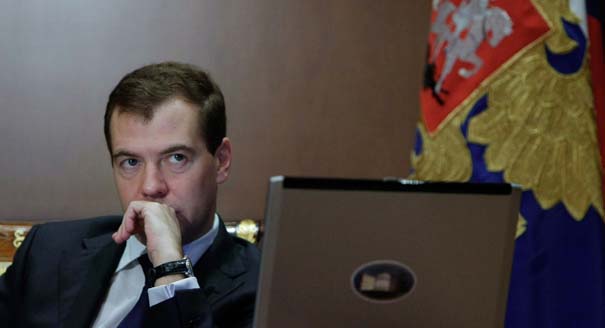
At some point Putin and Medvedev will have to decide between giving priority to the survival of the current system and accepting Russia's steady marginalization, or supporting modernization by opening up the system and putting its survival at risk.
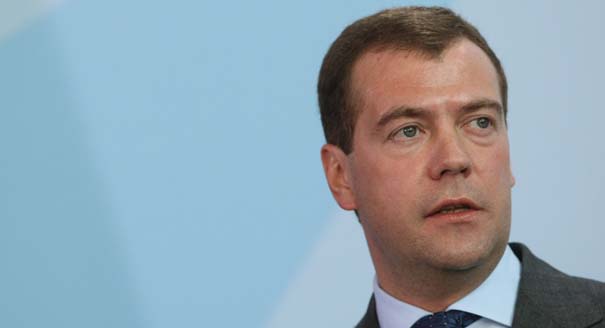
Russian President Dmitry Medvedev's proposed European security treaty has its flaws, but it is a first step toward an important conversation that must take place if a viable and undivided Euro-Atlantic security space is to be created.
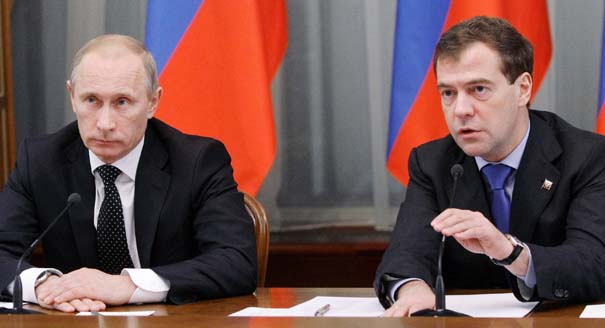
To dismiss Medvedev as a mere Putin puppet would be a mistake; Medvedev was chosen to recruit an internet savvy and generally more liberal Russian constituency to the Kremlin’s program of conservative modernization.