Carnegie Moscow Center


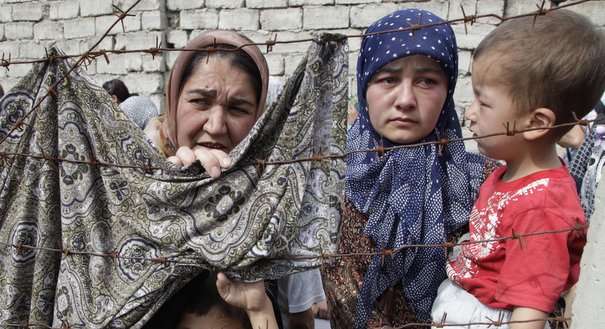
The ineffectiveness of the Collective Security Treaty Organization during the recent violence in Kyrgyzstan shows that its member states must take important steps in order to turn the organization into a real instrument for guaranteeing regional security.
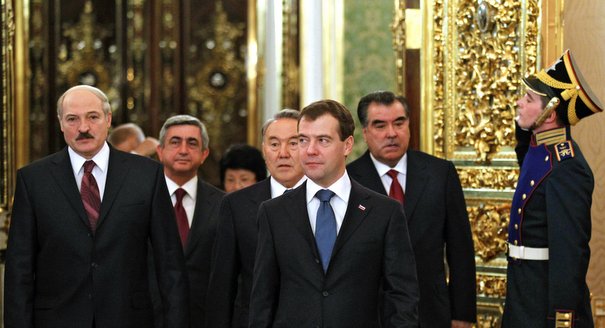
If Russia wants to be a principal security provider and peace guarantor in the CIS space, it will need to refocus its strategy away from resisting NATO's drive and U.S. deployments and toward conflict prevention and conflict resolution.
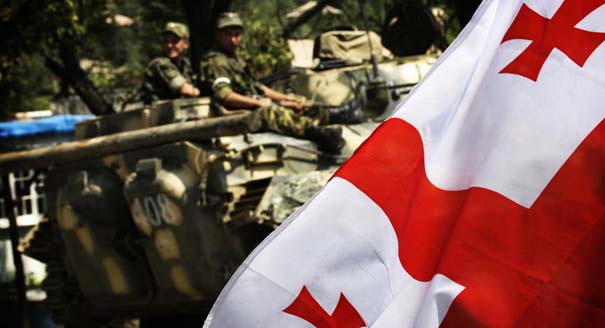
The Russian government should use soft power to win back sympathy from the Georgian population in preparation for the end of Georgian President Saakashvili’s term in office in 2013.
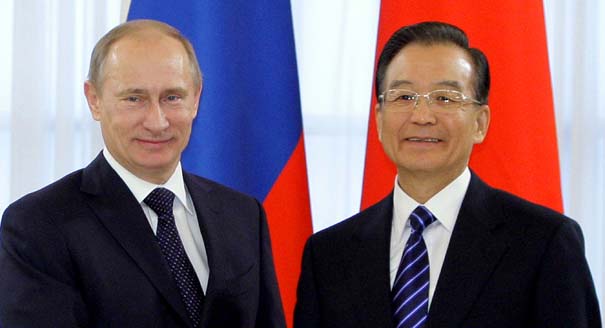
The Russian government’s drive to modernize its economy is increasingly reflected in its foreign policy priorities, including its relations with the United States, Europe, and China and its position on Iran's nuclear program.
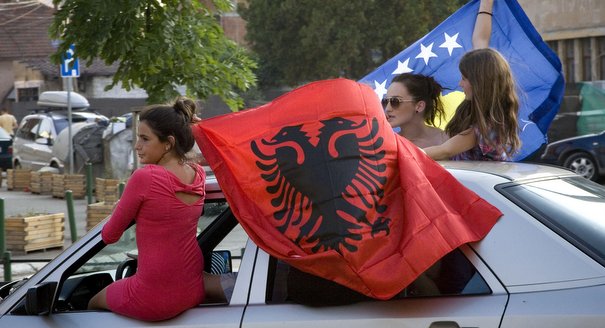
The Hague ruling on Kosovo's independence indirectly strengthens the position of other self-proclaimed states—from Abkhazia and South Ossetia, to Nagorno-Karabakh and North Cyprus. However, legal rulings do not negate the need to find a political solution.
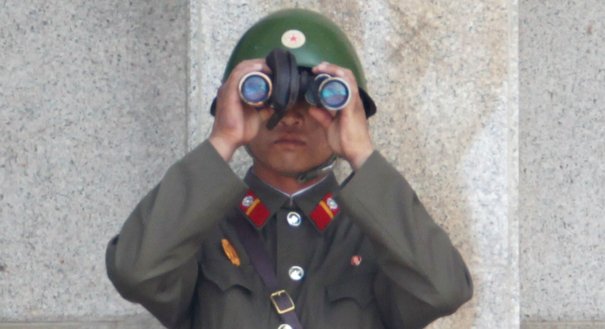
The recent UN Security Council statement, which condemns the attack on the South Korean patrol ship without naming a perpetrator, reflects the complicated reality of Beijing’s relations with North Korea.
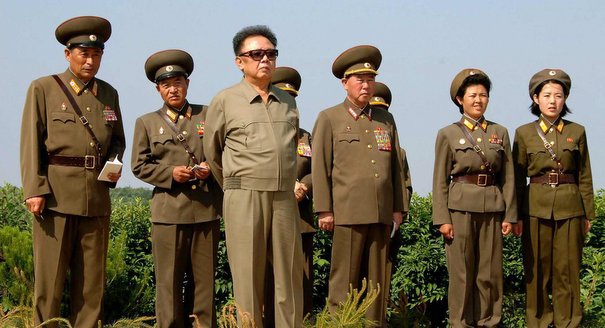
In order to gain China’s vote, the new UN Security Council resolution on the North Korean torpedo attack condemns the act of war, but does not name the perpetrator of the attack.
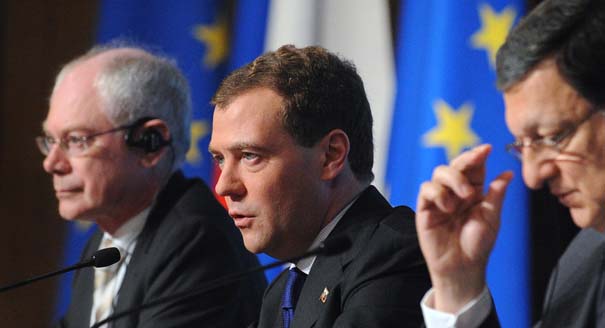
Most Russians view Europe in a very positive light. When they look at Europe, they still see primarily the nation states.
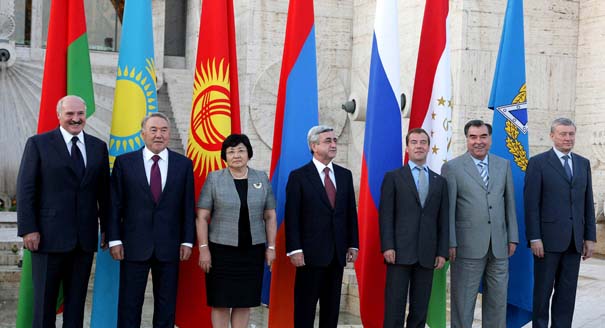
The recent violence in Kyrgyzstan demonstrated both the weaknesses of the Collective Security Treaty Organization (CSTO) and the important role a strengthened CSTO could have in Central Asia.
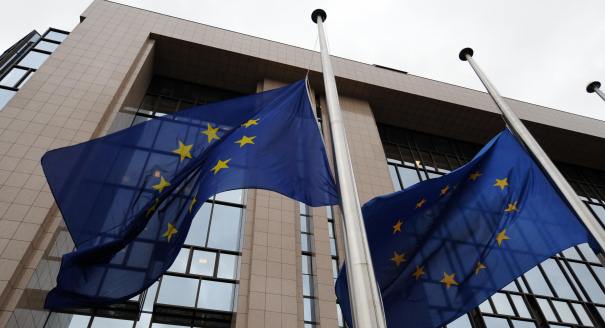
The need for a strong relationship between Moscow and Brussels is clear, but Europe faces administrative and political barriers to a common policy on Russia and Russia remains unwilling to undertake the reforms that would make it more compatible with the EU.