Carnegie Moscow Center


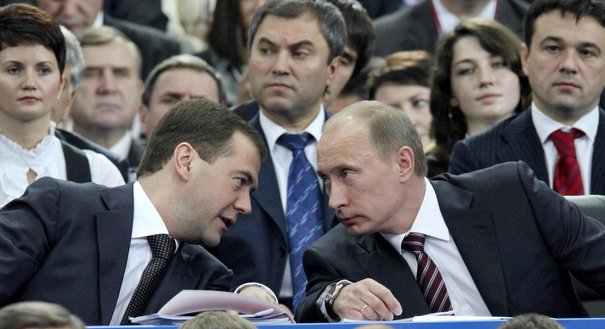
Although Putin has the coercive power of the state firmly in hand, Medvedev plays an important role in the governance of Russia, and his appeal to a younger, generally liberal demographic is key to the Kremlin’s goal of conservative modernization.
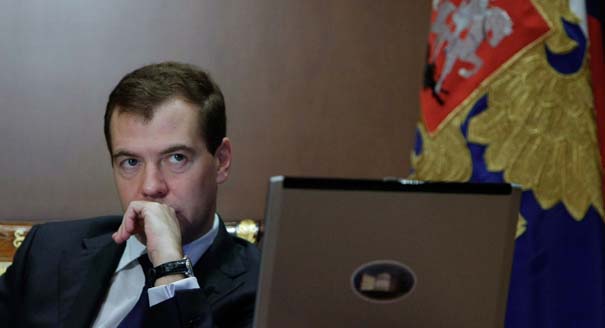
Russian President Medvedev’s draft Treaty on European Security aims to create an undivided Euro-Atlantic security space and bury the legacy of the Cold War. It is a positive step, but concrete action is needed to reconcile the differing interests and potential tensions of the parties involved.
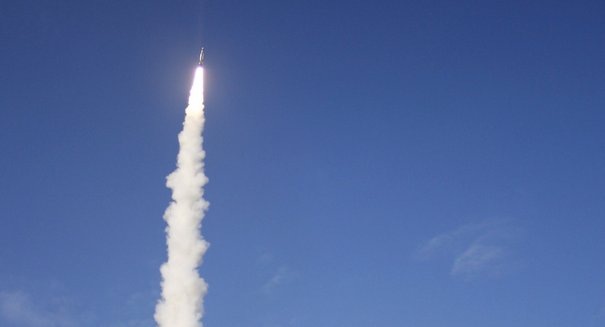
U.S. plans to build a global missile defense system have caused consternation in Moscow, where a potential U.S. first-strike capability is still viewed as the most serious external military threat to Russia.
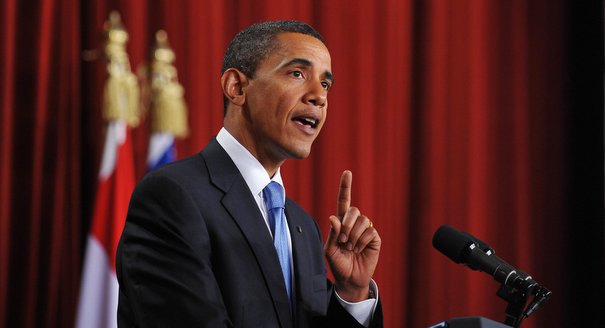
On the anniversary of President Obama’s election, relations with Russia have become a bright spot among the president’s ambitious foreign policy efforts, while other central international goals remain unachieved.
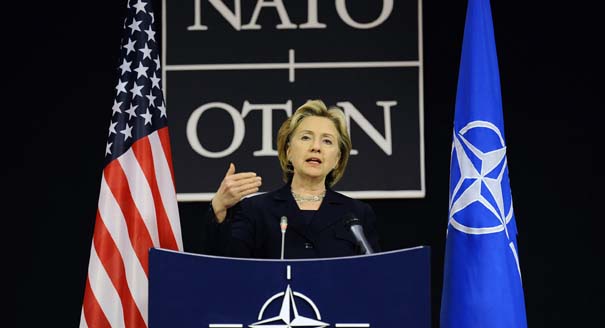
The West and Russia need to embark on a long and potentially rocky path toward creating a security community in Europe that would include both NATO members and nonmembers.
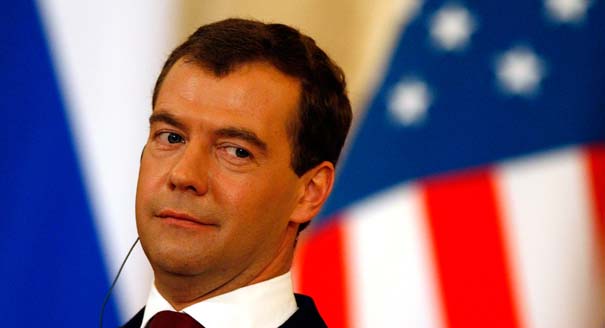
By embracing a soft power foreign policy fueled by a new focus on economic, intellectual and social renewal, Russia can emerge as a serious and indispensable global actor.
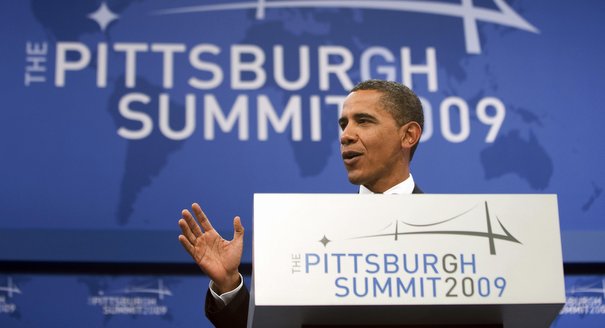
The key to success in the security field is not a combination of individual players like the G20, but rather sustainable joint leadership working together in tailor-made coalitions.
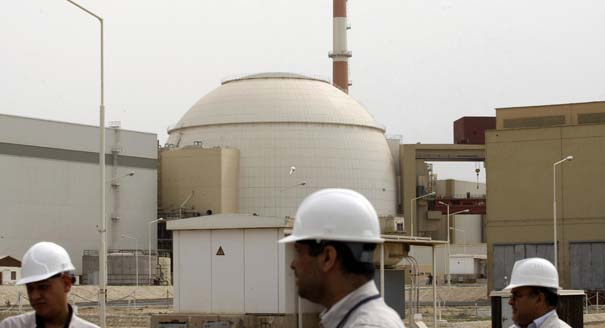
The United States and Russia need a coordinated approach to Iranian nuclear ambitions, where sanctions and opportunities become incentives pushing and pulling Iran toward a solution beneficial for both global security and Iran’s national interest.
Russia retains interests throughout the post-Soviet regions, but Moscow’s considerable influence is no longer dominant.
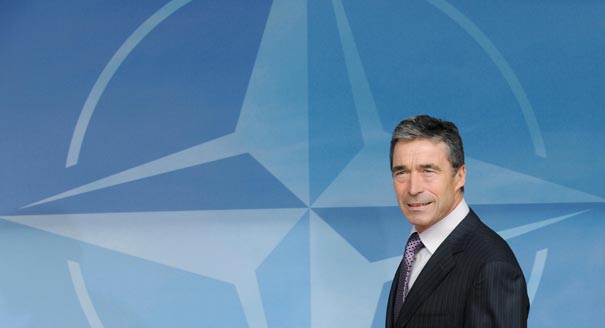
When Anders Fogh Rasmussen, NATO's secretary-general, addresses an audience at Carnegie Europe on Friday, 18th September, he will speak about the possibility of a new dialogue between two former foes – NATO and Russia. Dmitri Trenin suggests that these discussions could initially take place through the NATO-Russia Council of 2002, but in time, that they might spawn a new framework altogether.