Carnegie Moscow Center


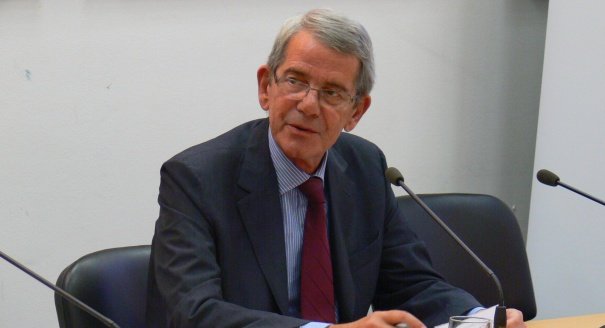
The current economic crisis presents Europe with serious challenges, but also with the opportunity for reflection and change.
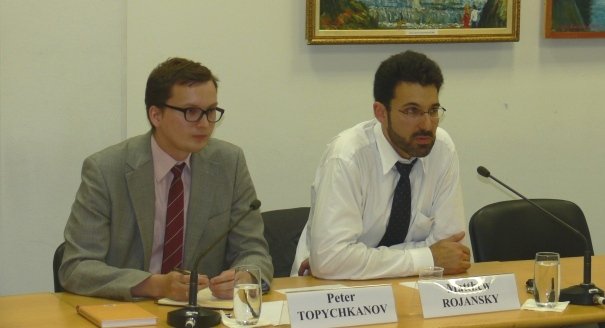
2012 is an election year for both Russia and the United States. Presidential elections have already taken place in Russia, and they will be held in the United States in November. It remains to be seen how these political changes might affect Russian-American relations.
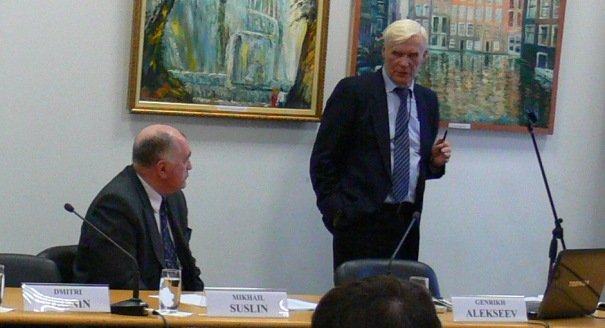
Changes wrought by the consequences of global warming have had a significant influence on economic activity in the Arctic.
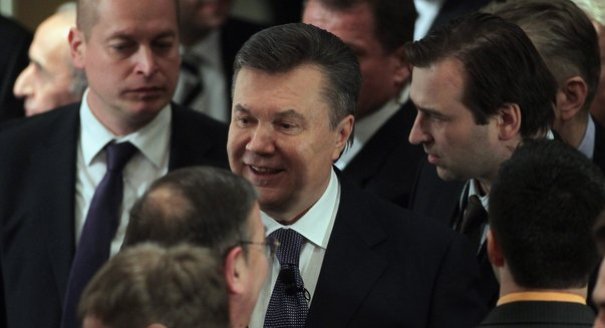
Ukraine’s European integration has slowed and relations with Russia show no signs of progress.
Despite common views on international affairs and economic interests, the Russian-Chinese relationship is weak—even in the sphere of energy trade—and needs to be strengthened.
With Russia’s presidential election less than a week away, Vladimir Putin is facing the most serious challenge since the establishment of his “power vertical.”
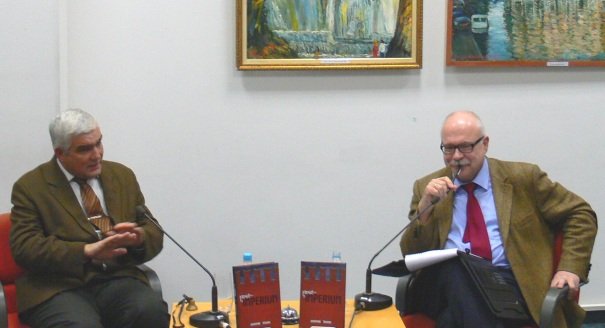
Russia has been in a post-empire state for the last 20 years. There is no way back to an empire now—Russia has passed the point of no return in this respect.
Securing nuclear material is one of the biggest problems of contemporary security. The Nuclear Threat Initiative (NTI) released the Nuclear Materials Security Index, which measures the nuclear security conditions in 176 countries.
Twenty years after the end of the Soviet Union, Russia has no choice but to reinvent itself as a global player and as part of a wider community.
The Russian Empire is gone and it is never coming back. Russia must now take steps as a post-imperial nation to quickly modernize lest it becomes marginalized in the evolving global order.