Carnegie Moscow Center


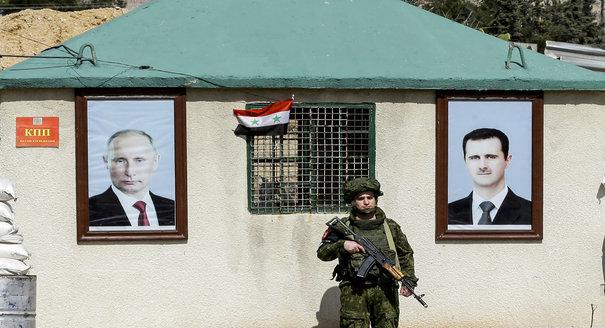
As world powers struggle to slow the spread of the novel coronavirus, countries across the Middle East are mulling over this pandemic's impact on the regional power balance and foreign policy.
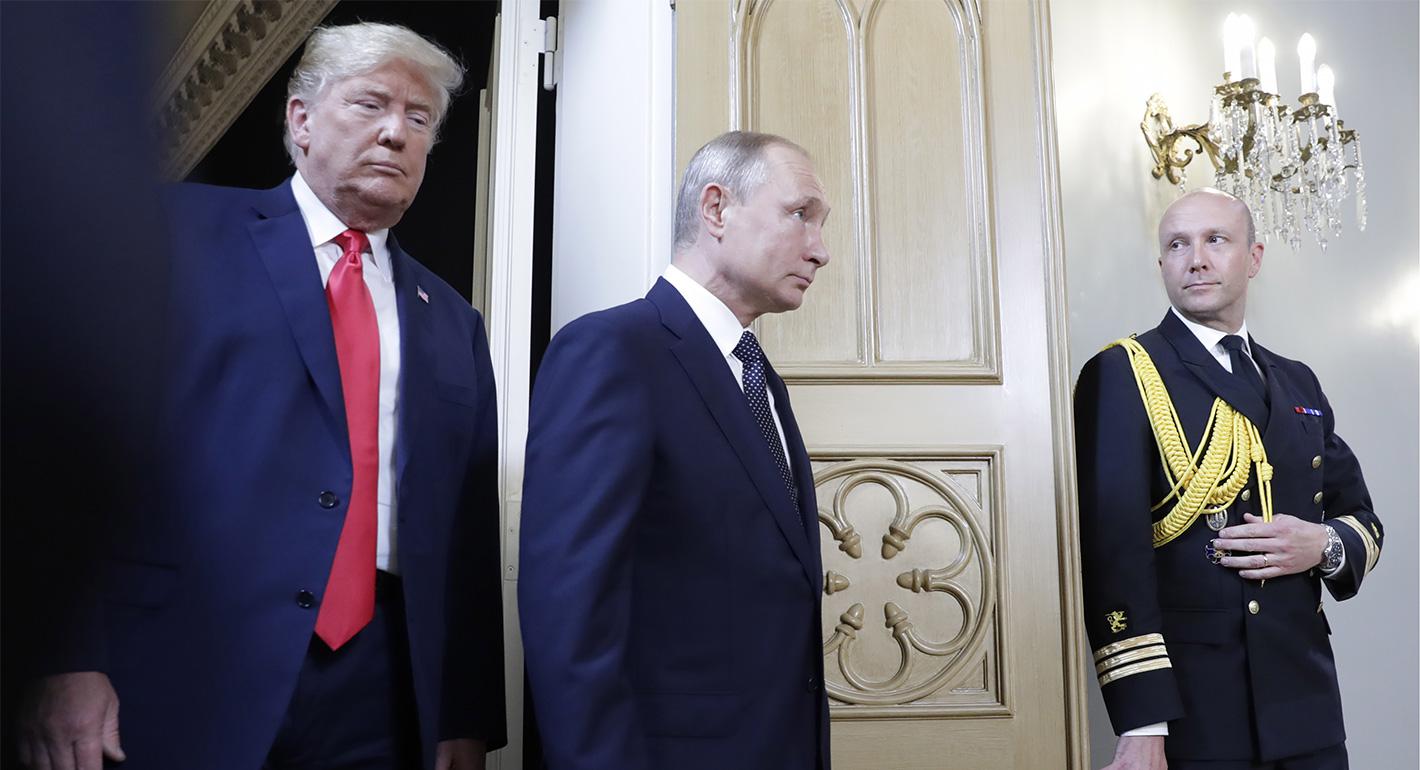
Over the past two weeks, contacts between Presidents Trump and Putin have accelerated dramatically. Putin is trying to make common cause with the United States to deal with a deadly enemy, but is such a reset possible?
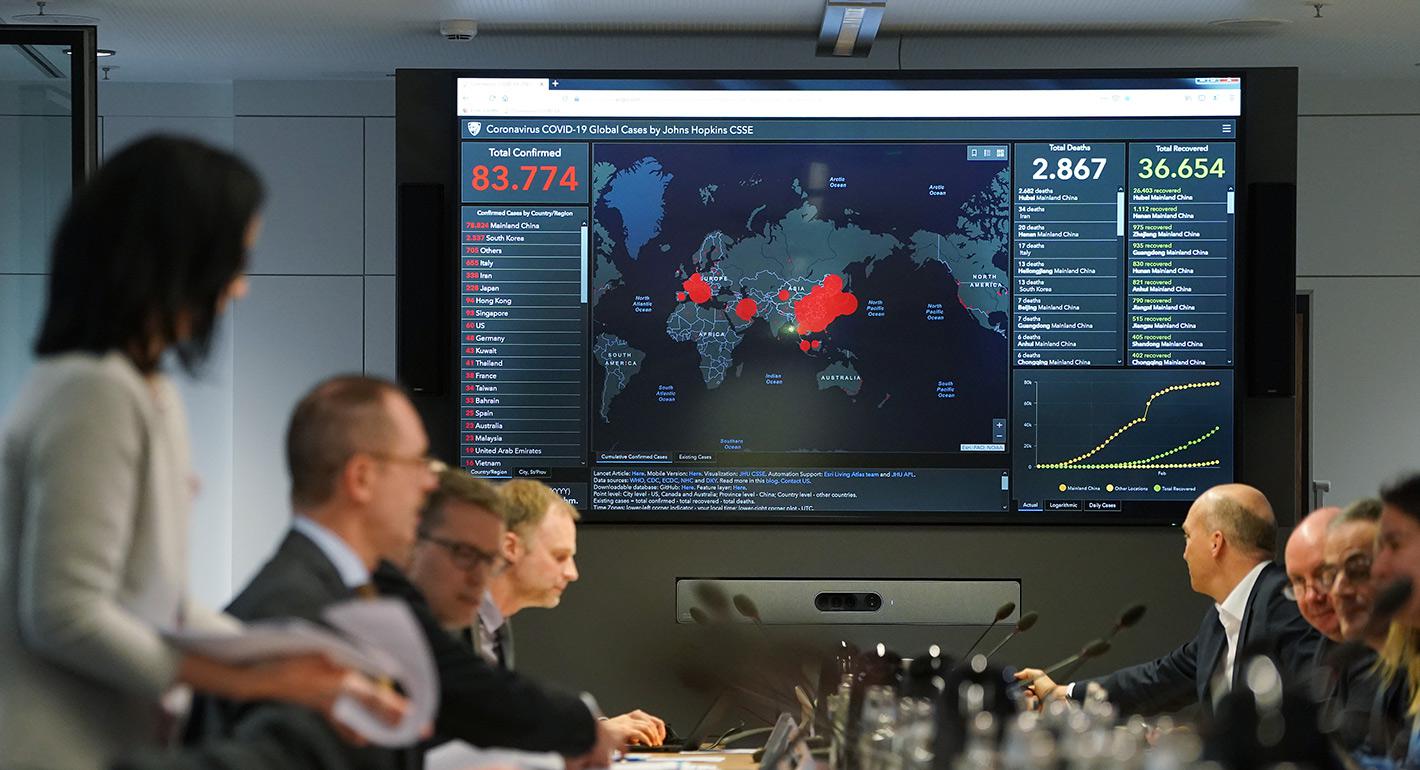
The novel coronavirus represents the gravest threat to global health since the 1918 Spanish Flu. How will the pandemic influence the internal politics of Russia, China, and key European countries?
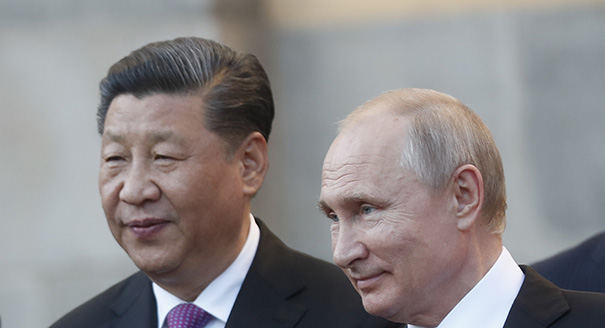
As the United States faces pronounced difficulties in its relations with Russia and China in both the security and economic spheres, China-Russia ties are steadily improving.
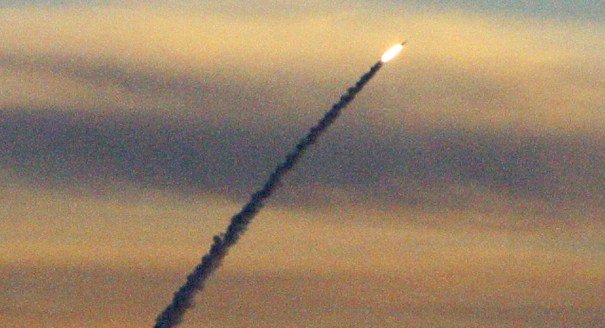
Carnegie Europe and the Carnegie Moscow Center organized a roundtable to discuss the changing nature and shifting trends of global strategic stability in the post-arms control era.
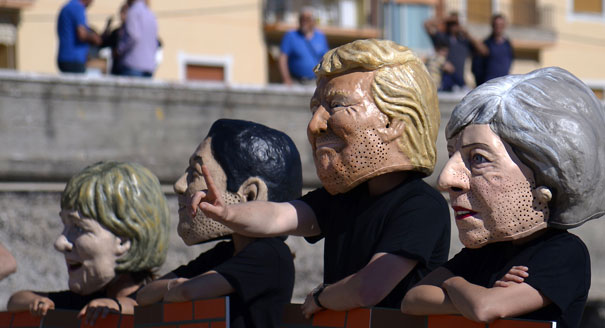
A look ahead to 2019, focusing on the most significant and challenging issues facing the world, specifically the Middle East and North Africa region.
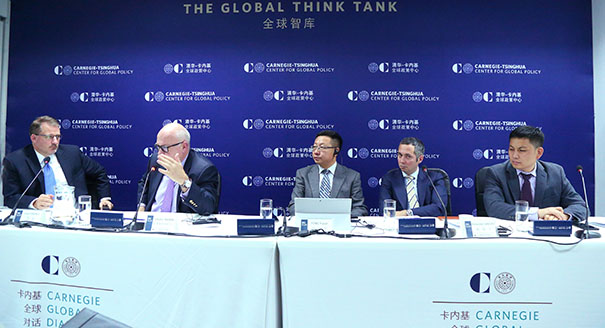
The U.S.-Russia bilateral relationship is facing unprecedented strains. At the same time, the U.S.-China relationship is growing increasingly contentious over what the Trump administration views as the lack of reciprocity across many areas, including trade, investment, media, education, and culture.
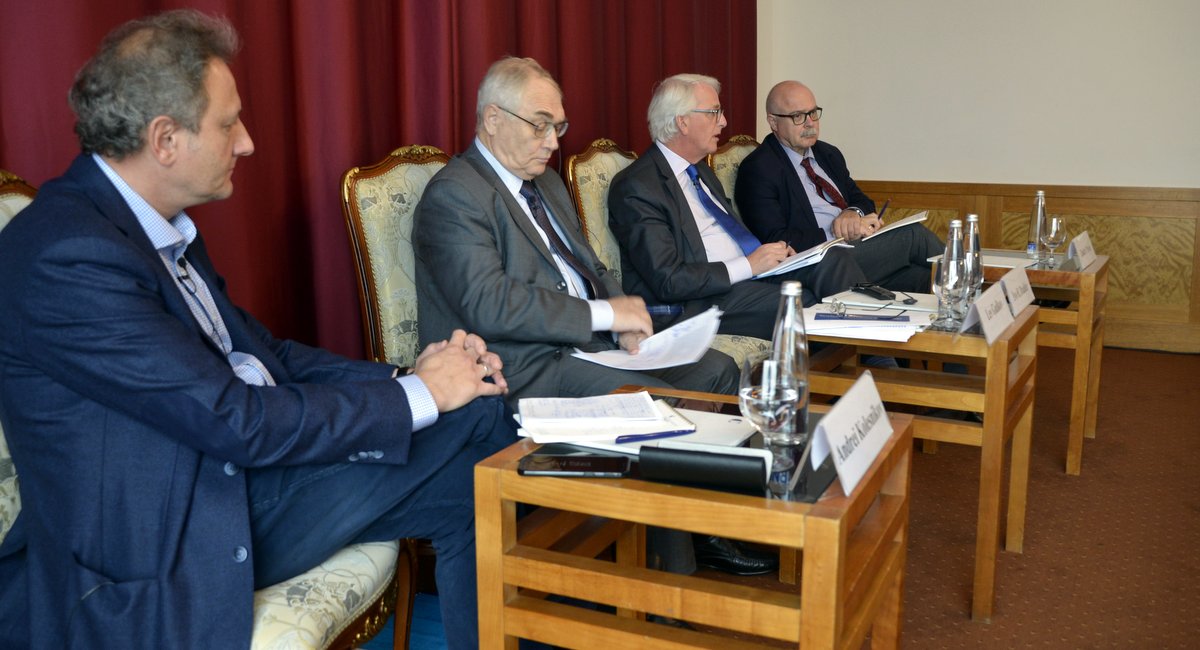
On September 25, the Carnegie Moscow Center held a discussion on the future of the U.S.-Russia relationship featuring Ivo H. Daalder from the Chicago Council on Global Affairs and Lev Gudkov from Levada Center.
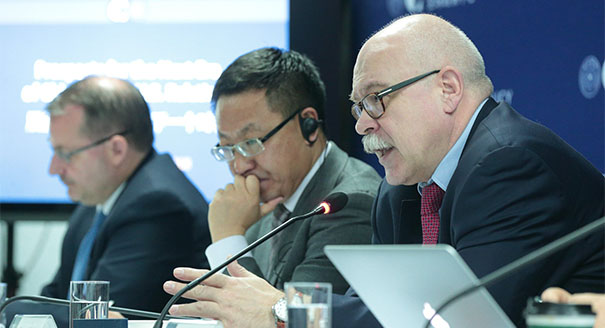
How will new developments influence relations between Russia, China, and the United States?
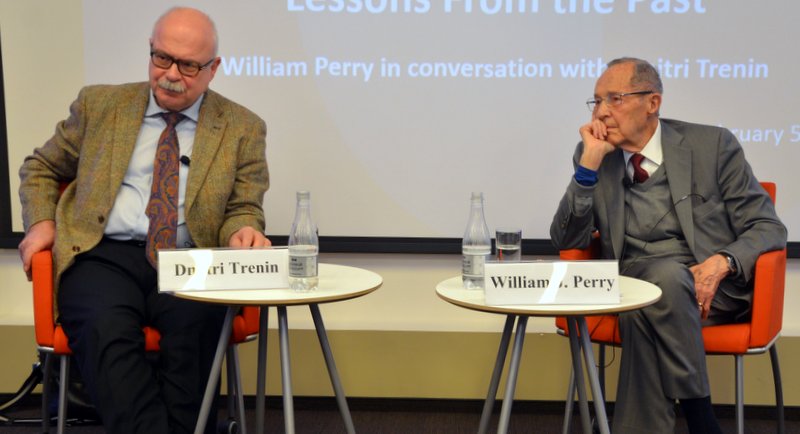
Carnegie Moscow Center hosted a former U.S. Secretary of Defense William Perry.