Carnegie Moscow Center



The risk of outright conflict in Europe is higher than it has been for years and the confrontation between Russia and the West shows no sign of ending. To prevent misunderstandings and dangerous incidents, the two sides must improve their methods of communication.
Russian society should pay more attention to the Kremlin’s foreign policy agenda and have a better understanding of the nation’s actions abroad. Russia should identify itself as a Euro-Pacific country rather than a Eurasian country as it seeks out new opportunities to become better integrated in the globalized world.
Russia must avoid strictly bilateral relations with Asian countries, even China. All regional relations should be considered part of a broader Asian-Pacific strategy and coordinated to fit that strategy.
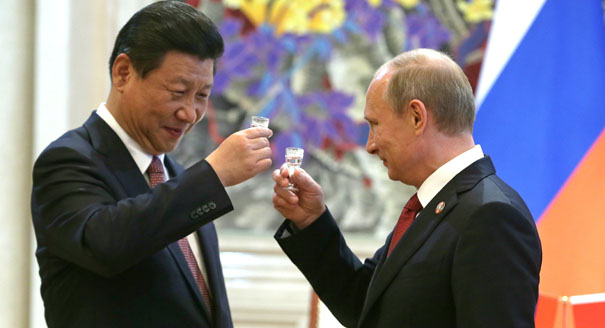
China and Russia enjoy an increasingly close relationship that constitutes more than a partnership but falls short of a full alliance.
Unlike in the Cold War, the current Russia-United States confrontation is asymmetrical, which carries different dangers. Cooperation will remain limited and Barack Obama’s successor will most likely take a harsher stance on Russia.
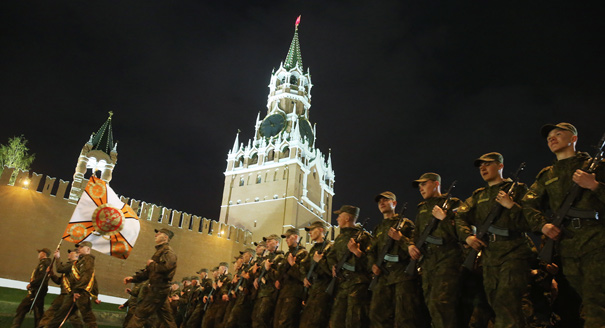
Beginning in 2008, Putin ushered in military reforms and a massive increase in defense spending to upgrade Russia’s creaky military. Thanks to that project, Russia has recently evinced a newfound willingness to use force to get what it wants.
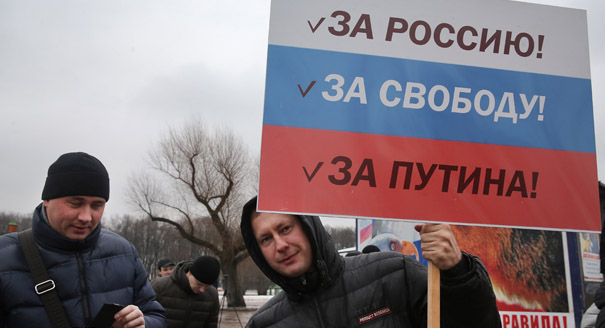
Europe’s rupture with Russia has entered its third year. Trust is non-existent. As one looks into the future, one sees uncertainties. What is the way forward? Is there a way forward?
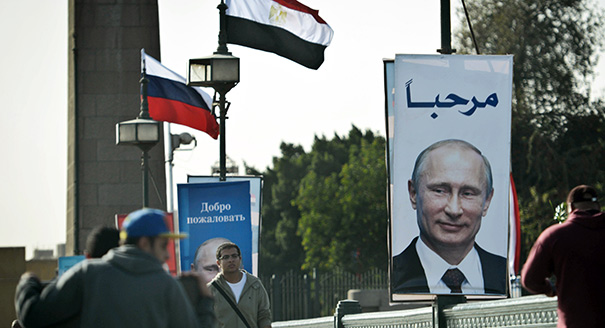
With the start of the military intervention in Syria in 2015, and the U.S.-Russian diplomatic effort that accompanied it, the Middle East has become a key testing ground for Russia’s attempt to return to the global stage.
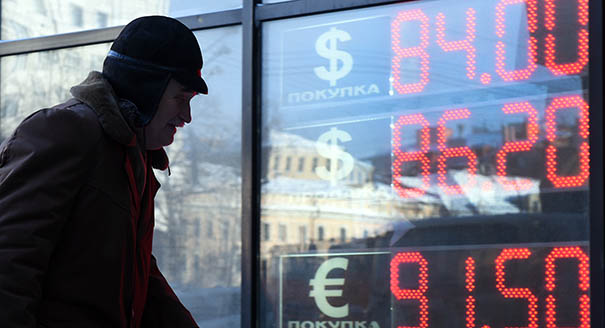
Whether Russia’s foreign policy achieves its objectives depends primarily on the success or failure of the country’s economic relaunch.
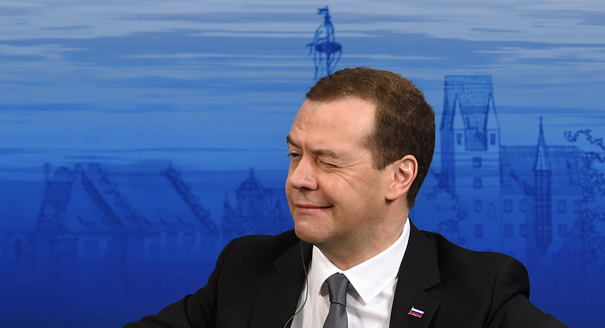
Speaking in Munich, Medvedev diagnosed an ongoing slide into a new Cold War and, accordingly, an increase of dangers—both from a potential direct clash between Russia and the United States/NATO and from their inability to cooperate to fight extremism.