Carnegie Moscow Center



The Kremlin has had enough of Lukashenko, but it cannot allow Belarus to follow the path of Ukraine and become another anti-Russian, NATO-leaning bulwark on its borders.
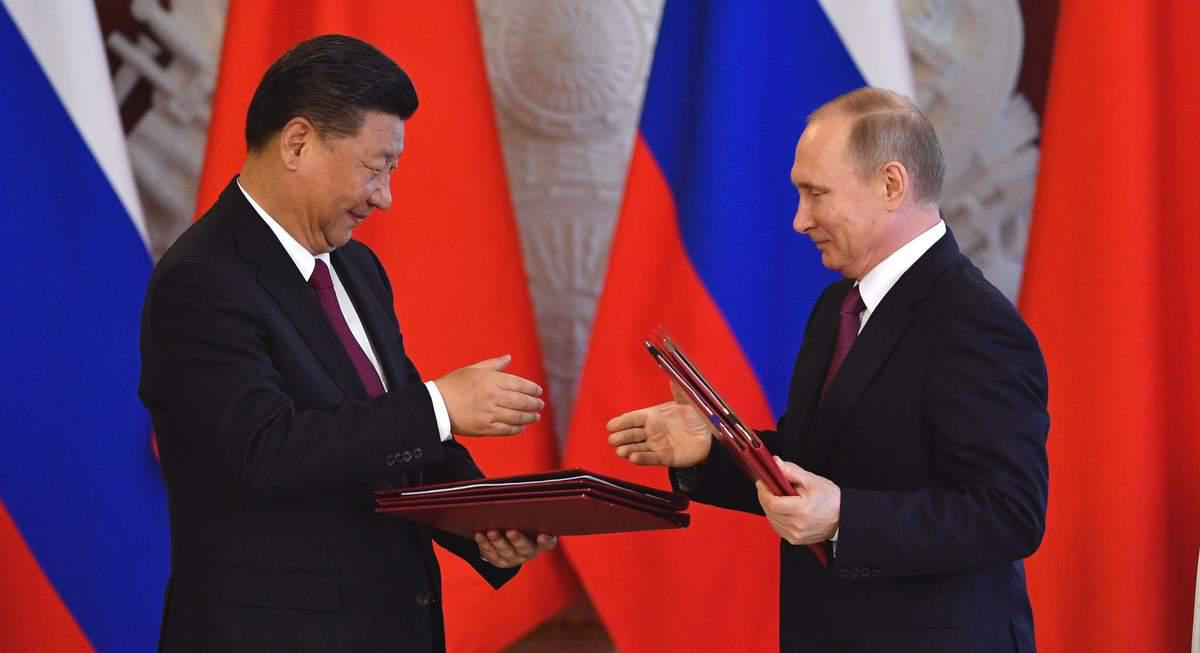
For the foreseeable future, Russian-Chinese relations are likely to be closer, and more productive than Russian-American ones. This is not based on emotions, but on national interests.
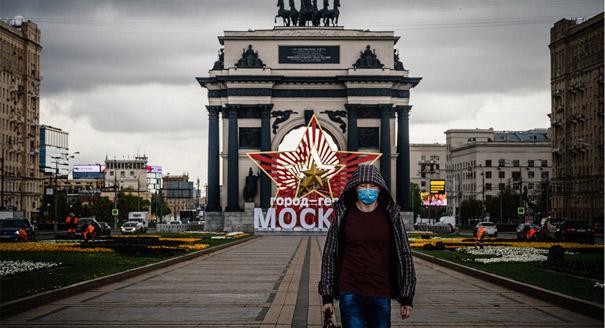
Alexander Gabuev is joined by Dmitri Trenin and Elena Chernenko to discuss what impact the global pandemic has had—and will continue to have—on Russian foreign policy.
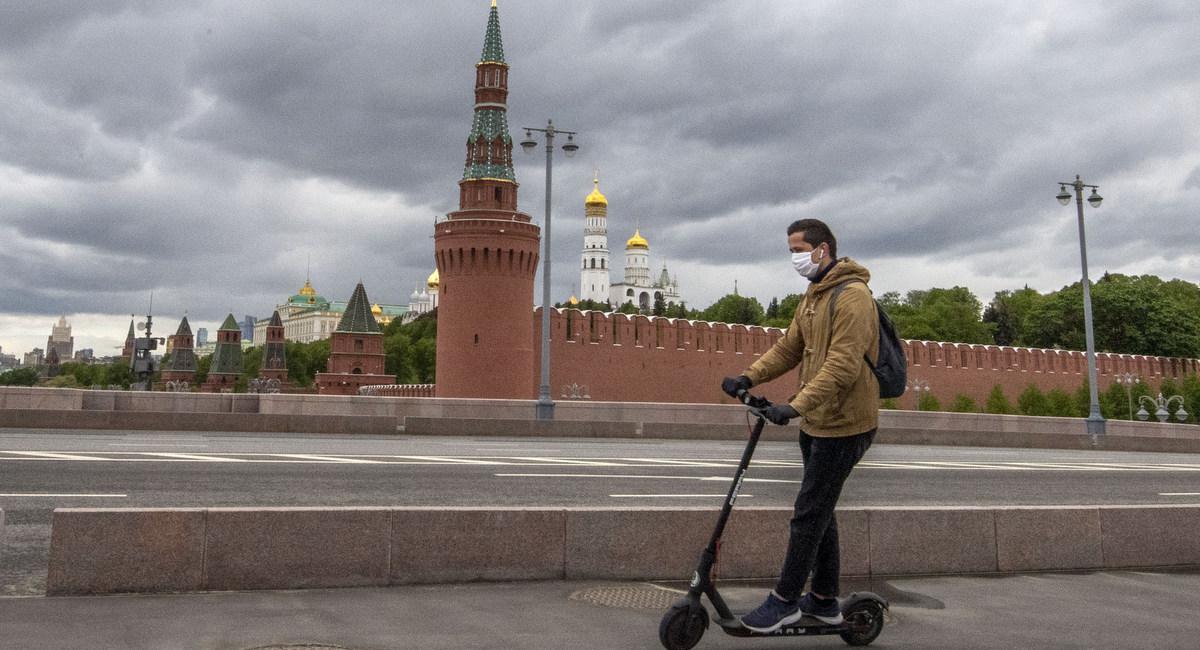
The coronavirus pandemic has hastened the arrival of a new era of bipolarity. The short essays in this panoramic collection examine the various implications of the pandemic for Russia’s foreign relations.
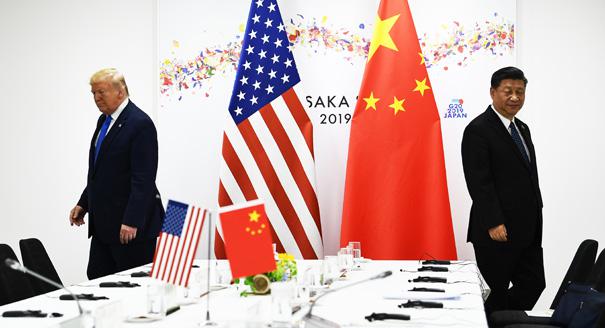
The longer-term consequences of the coronavirus will include the further intensification of U.S.-Chinese rivalry, and the emerging Sino-American bipolarity. Russia’s top priority should be to carefully maintain equilibrium—though not equidistance—between the United States and China.
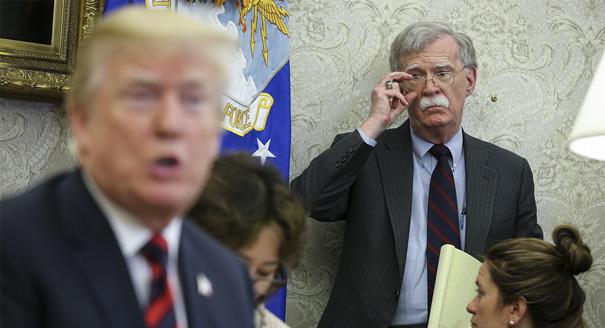
John Bolton suggests that Putin can play Trump like a fiddle. The truth is that under the forty-fifth U.S. president, the bilateral relationship with Russia is now as bad as at any time since the early 1980s.
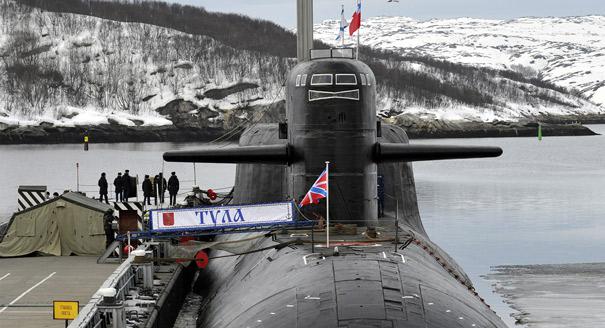
In a world where major powers are unconstrained by mutual obligations regarding their most powerful arms, proper communication is key to avoid fateful mistakes.
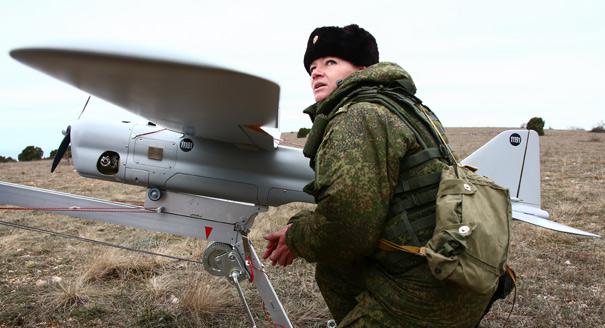
The 50-year-old arms control regime that helped keep the Cold War cold is beyond repair. It's time to begin discussing ways of moving toward a new global strategic regime.

To avoid becoming part of a Sino-centric power bloc and maintain international equilibrium, which is critically important to Russia’s status and self-image, Moscow must reduce its dependence on China by fostering its relations with other large economic and financial players: primarily European countries, India, and Japan.
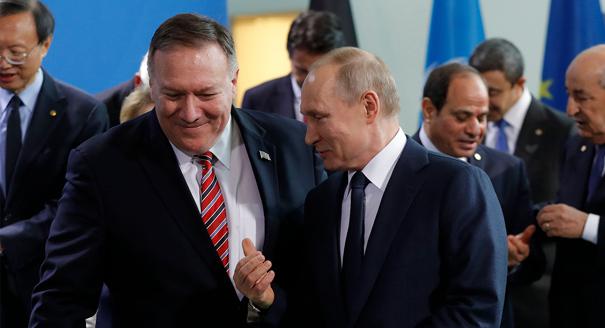
The longer-term consequences of the coronavirus will include the further intensification of U.S.-Chinese rivalry, and the emerging Sino-American bipolarity. Russia’s top priority should be to carefully maintain equilibrium—though not equidistance—between the United States and China.