Carnegie Moscow Center


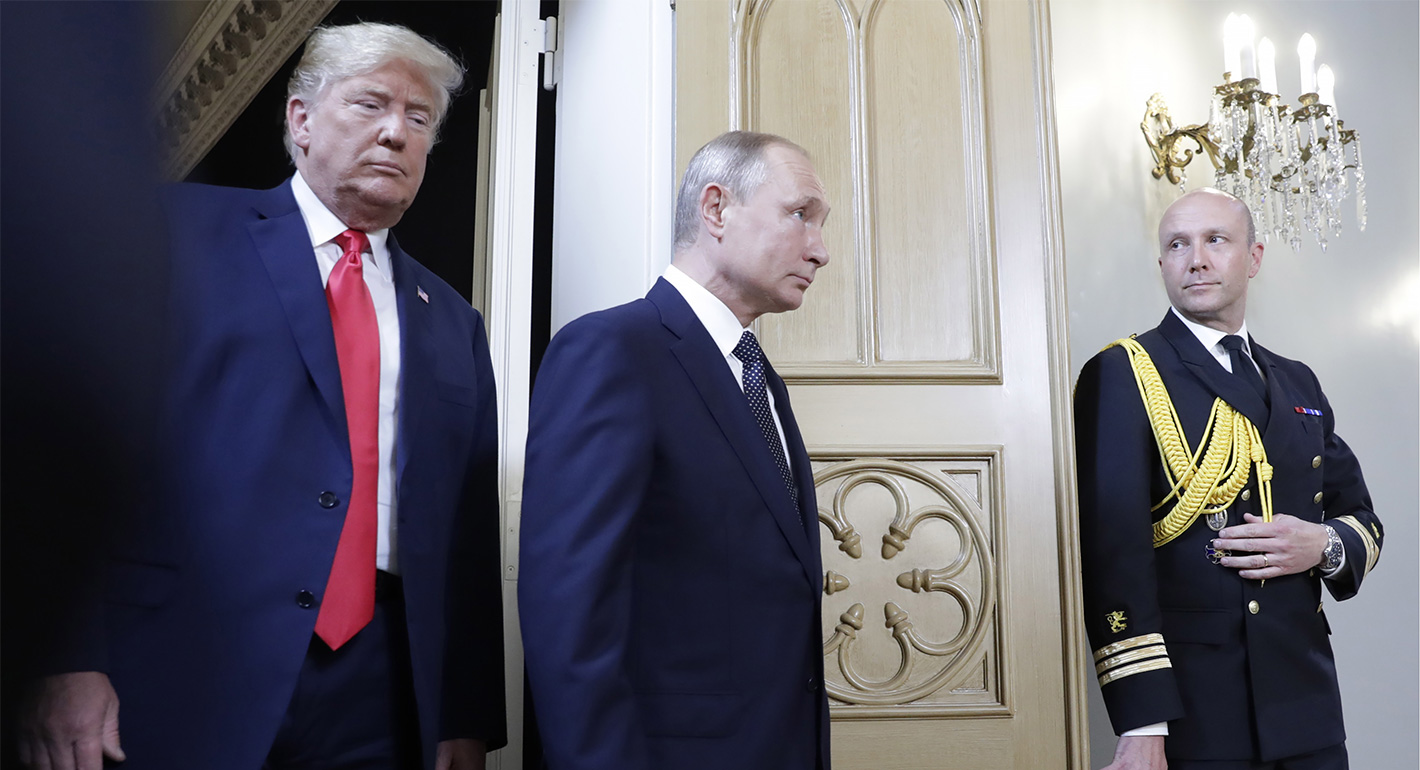
It will be a long time before the U.S. and Russia will reach a new normal in their relationship. The most important thing is that they keep their current confrontation cold, just as they managed with the previous one.
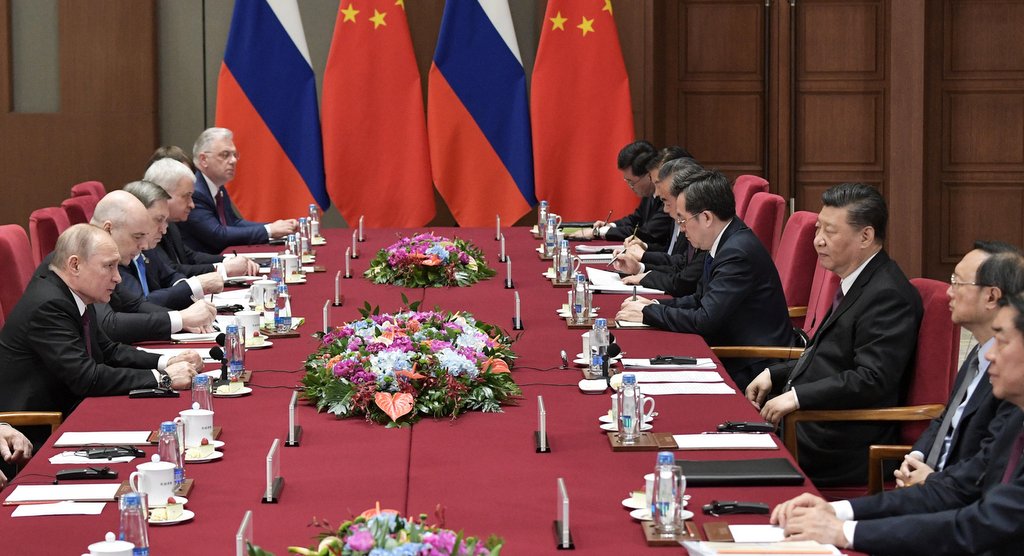
Moscow and Beijing will continue to have their differences, and they are not entirely free from reciprocal phobias, but the chances of a China–Russia collision over those differences are being minimised by the US policy of dual containment.
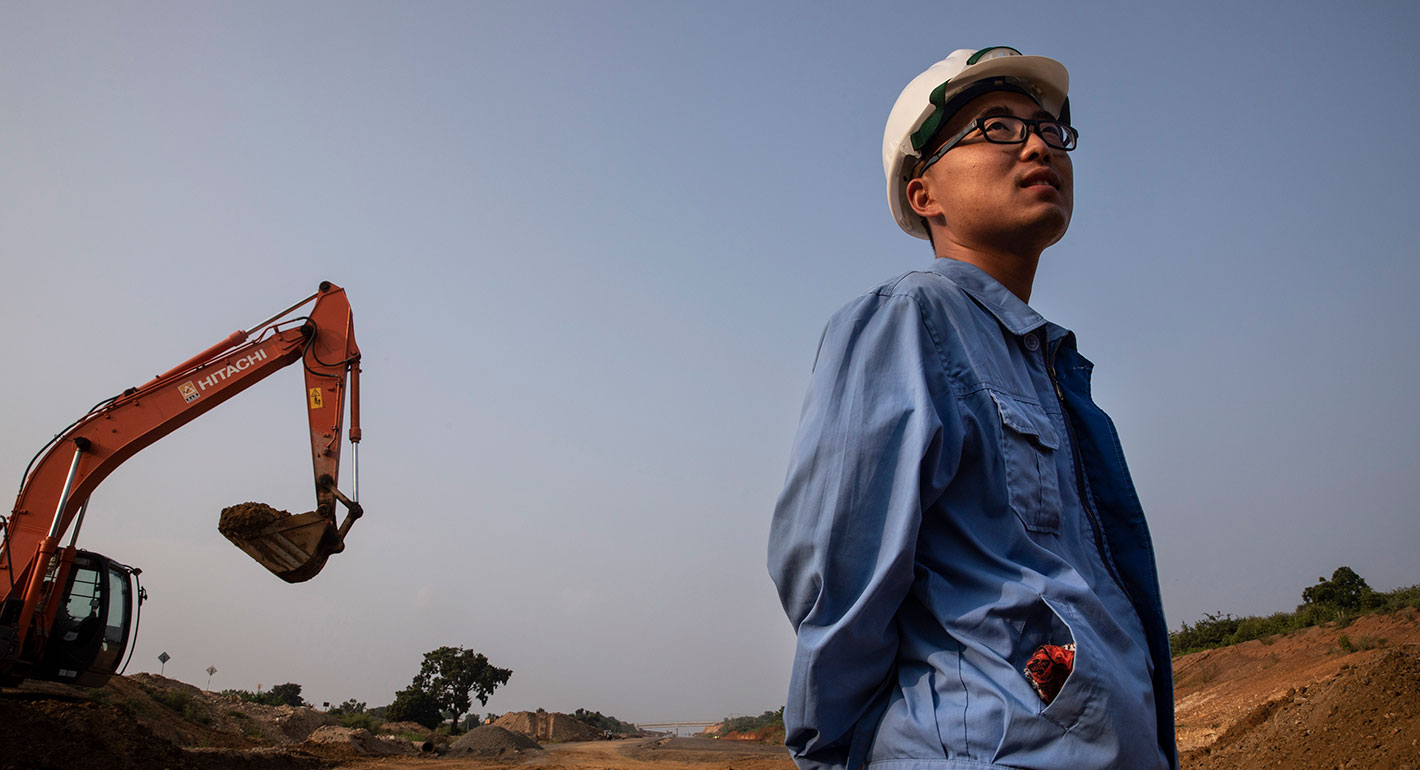
Pitched as a new Silk Road sweeping from Asia to Europe, China’s enormous Belt and Road Initiative is an ambitious, multinational infrastructure project. Experts from four Carnegie global centers explain other countries’ perspectives.
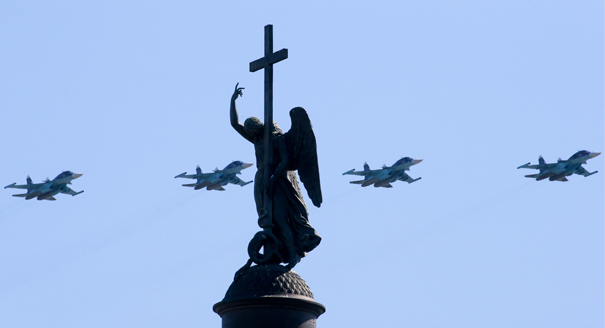
A broad public discussion on Moscow’s foreign policy goals and objectives is long overdue. International issues are affecting the interests of Russian society as a whole more and more, making it necessary for private citizens to take a greater interest in their country’s conduct abroad, especially in the single continental space that is Greater Eurasia.
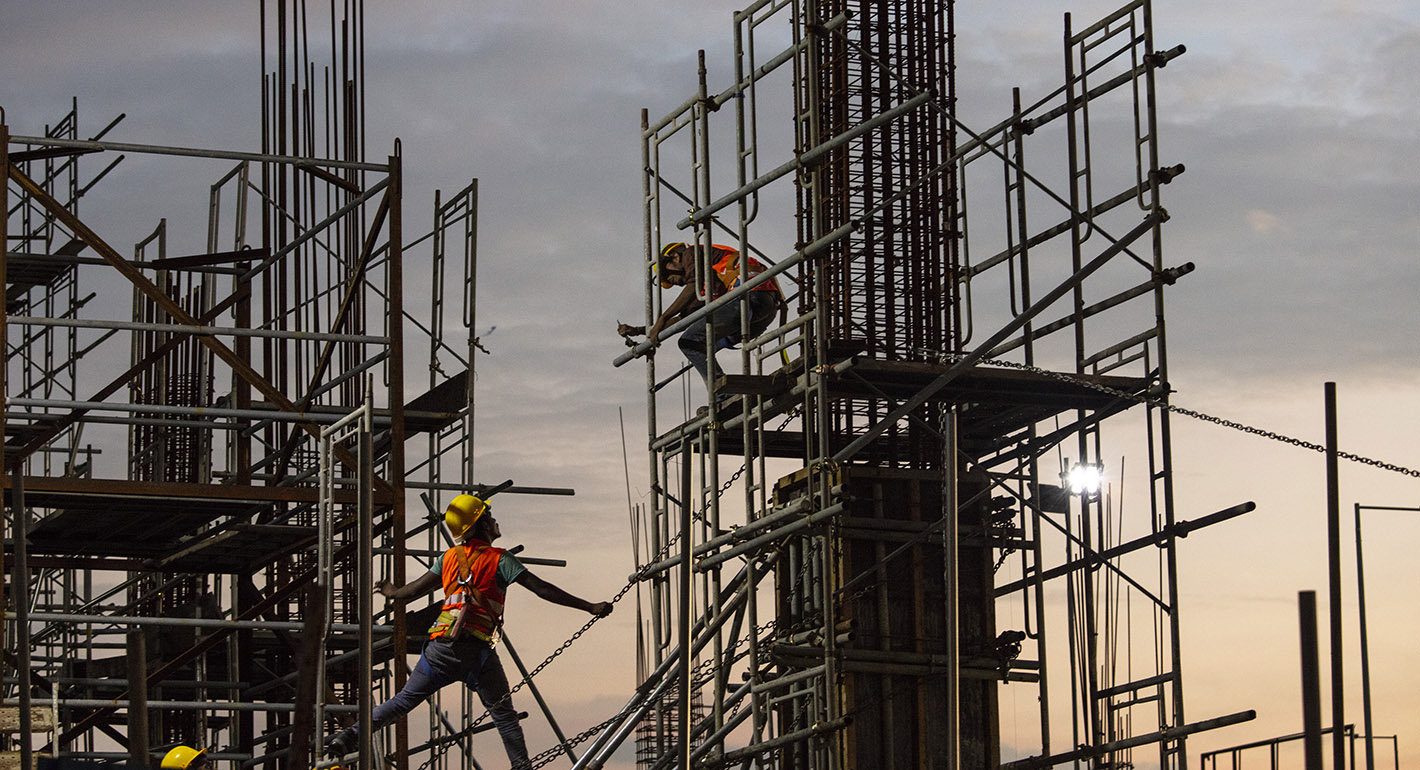
Despite the BRI’s prevalence in discussions of China’s global engagement, many experts are divided on how to interpret it. Is it a global strategy or just an interregional initiative? How can countries and international companies participate in its growth and development?

Strategic stability has fundamentally changed in the twenty-first century. To maintain or even strengthen it requires many long-standing ideas and policies to be rethought and overhauled.
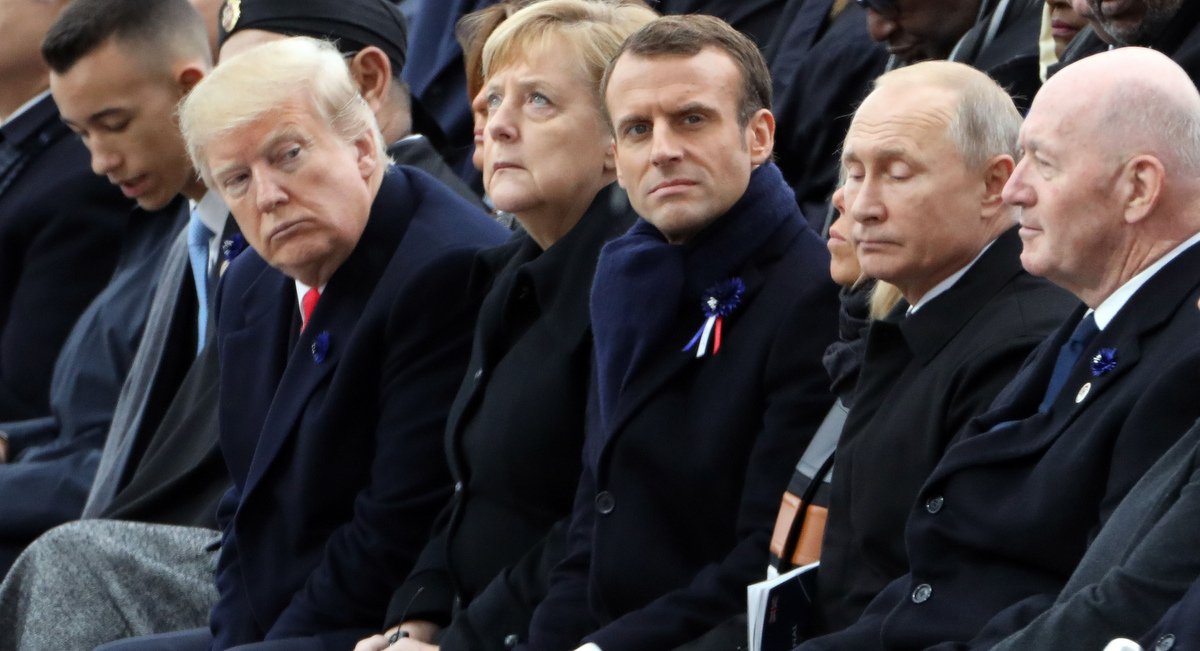
Despite their troubles, Europe and the US are not withering away. It would behoove Moscow to avoid escalations.
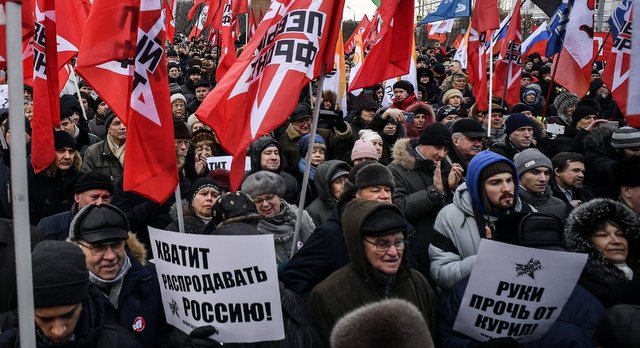
The Kremlin needs to understand clearly that it is up against not just Japan but also the Russian public—and based on public opinion surveys, two-thirds of Russians do not want to hand over the Kuril Islands. The Kremlin will not be able to coerce the people into accepting its point of view.
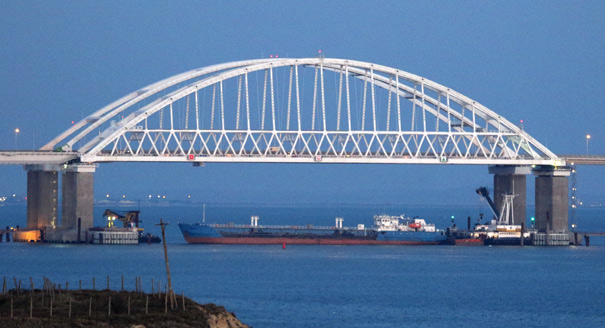
Legal positions and geopolitical realities are different things. No one besides Turkey recognizes the Turkish Republic of Northern Cyprus. Only a handful of countries apart from Russia back the sovereignty of Abkhazia and South Ossetia. Nagorno-Karabakh is formally regarded by everyone as part of Azerbaijan. Yet any attempt to substitute the legal position for the geopolitical reality in any of these cases is bound to lead to a collision. Crimea belongs in the same category, only the consequences of the collision are likely to be on a much higher order.
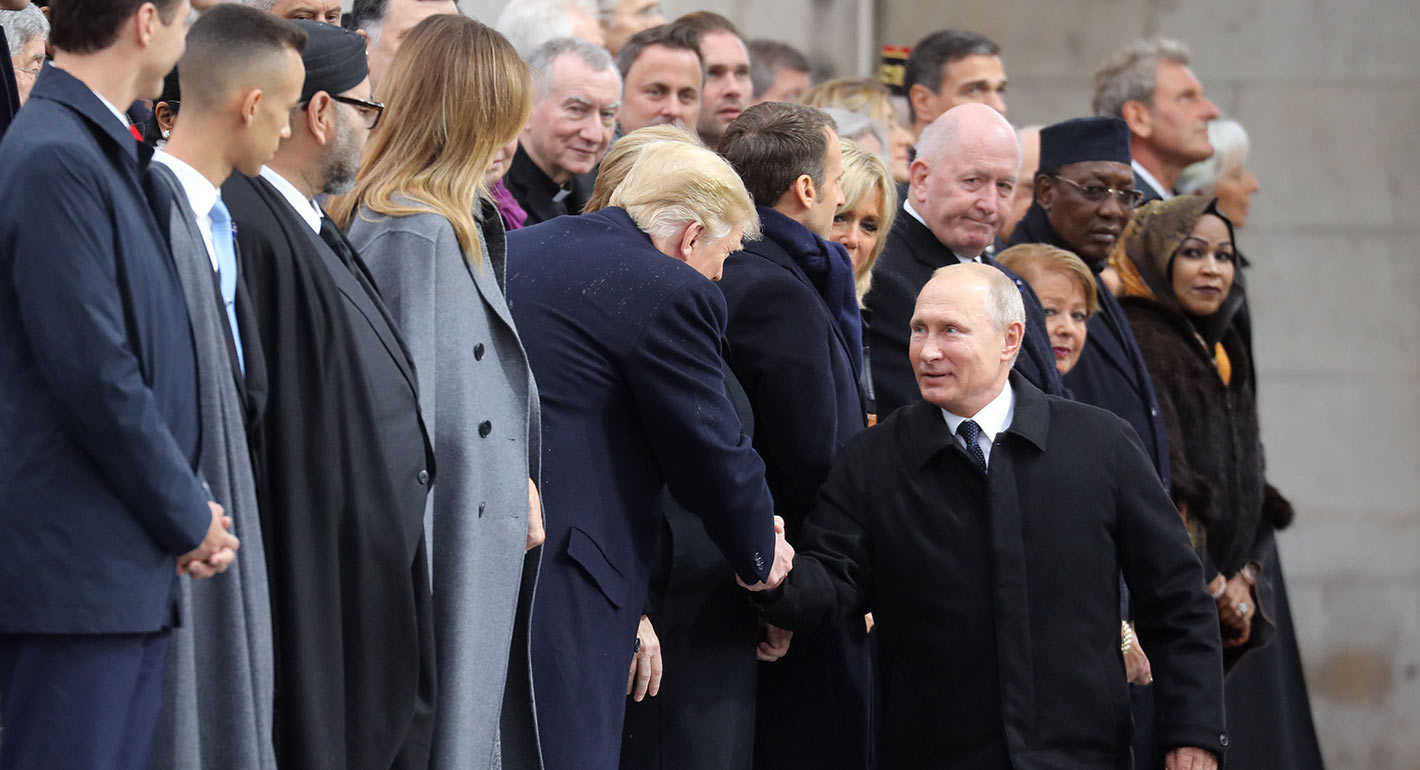
There will be many issues at play when the Russian and U.S. presidents meet at the G20 leaders’ summit in Buenos Aires. Our Russia experts provide insight into the Kremlin’s game plan.