Carnegie Moscow Center


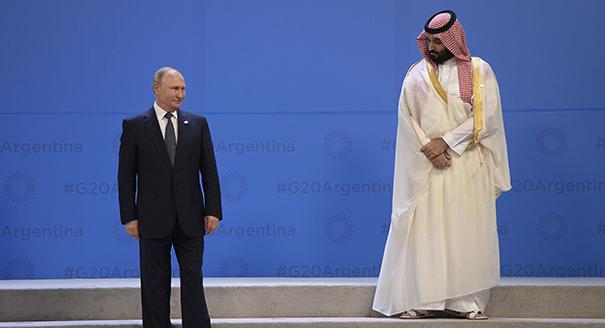
The coronavirus crisis has impacted Moscow’s Middle Eastern policies, while also creating opportunities.
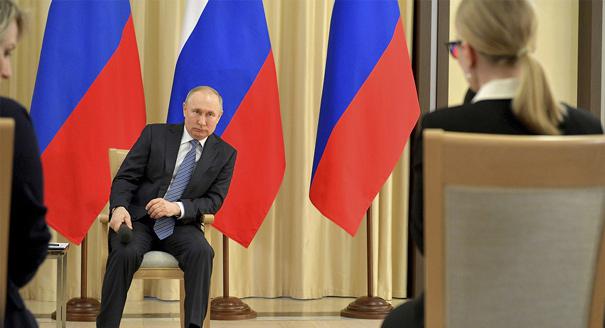
The coronavirus pandemic is another opportunity that Moscow is using to engage Washington in an attempt to break through the logjams in their relationship.
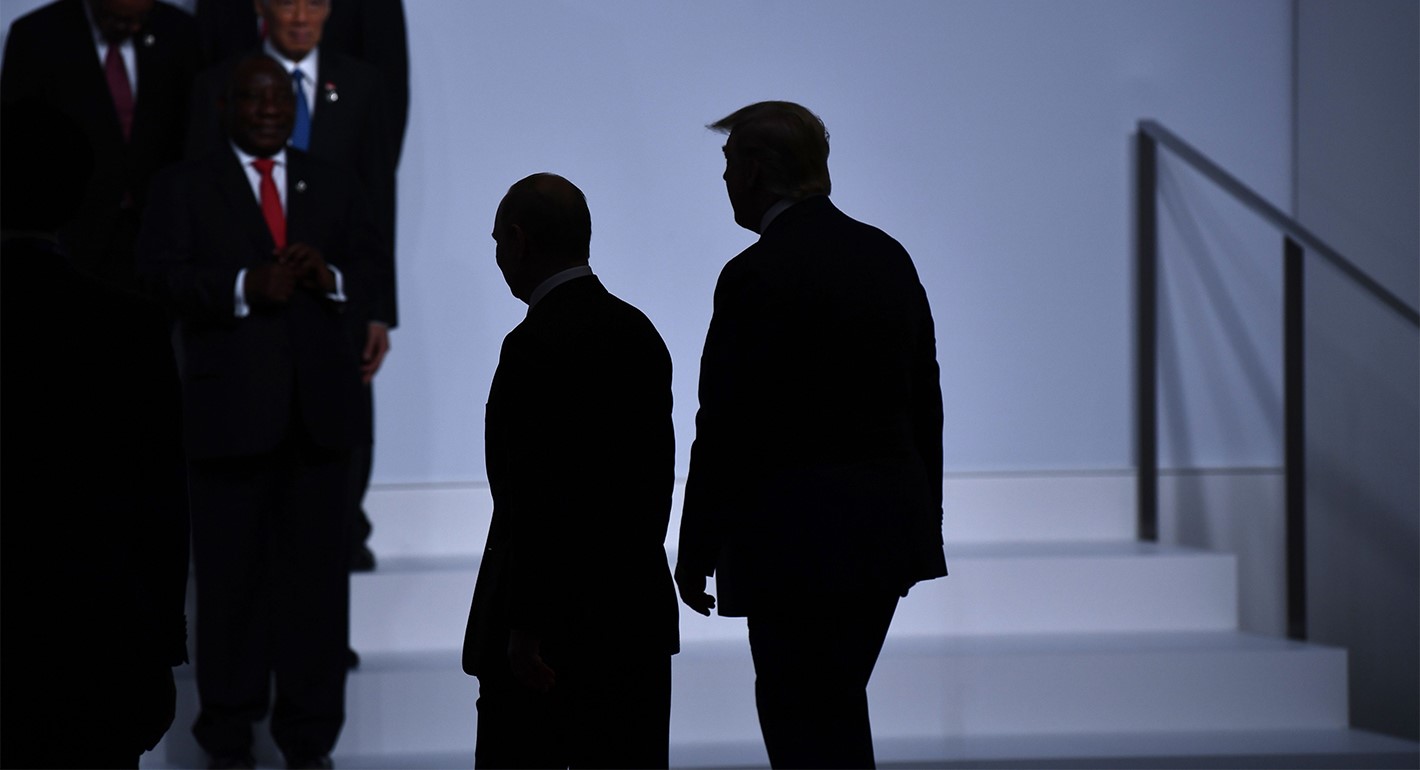
In recent decades Russia has been too focused on the United States. On the eve of the third decade of the 21st century Russians should arm themselves with patience, set their eyes on the domestic affairs, and establish smooth and balanced relations with far stronger China.

China and Russia act in accordance with their own interests, which are not always identical. For the time being, the creation of a Russo-Chinese military alliance isn’t a viable idea, and cooperation between China and Russia in the Arctic is exclusively economic.
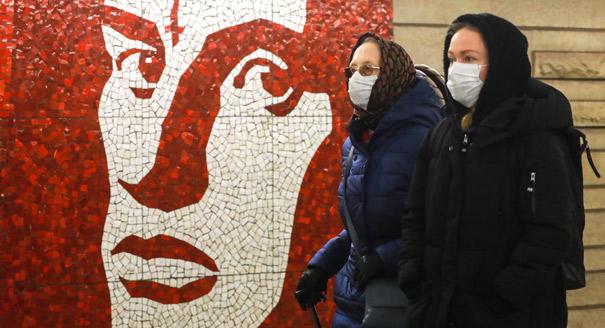
As the Kremlin prepares to manage the public health emergency and an economic slowdown, it’s coming to view the global disarray as affirmation of its ideology.
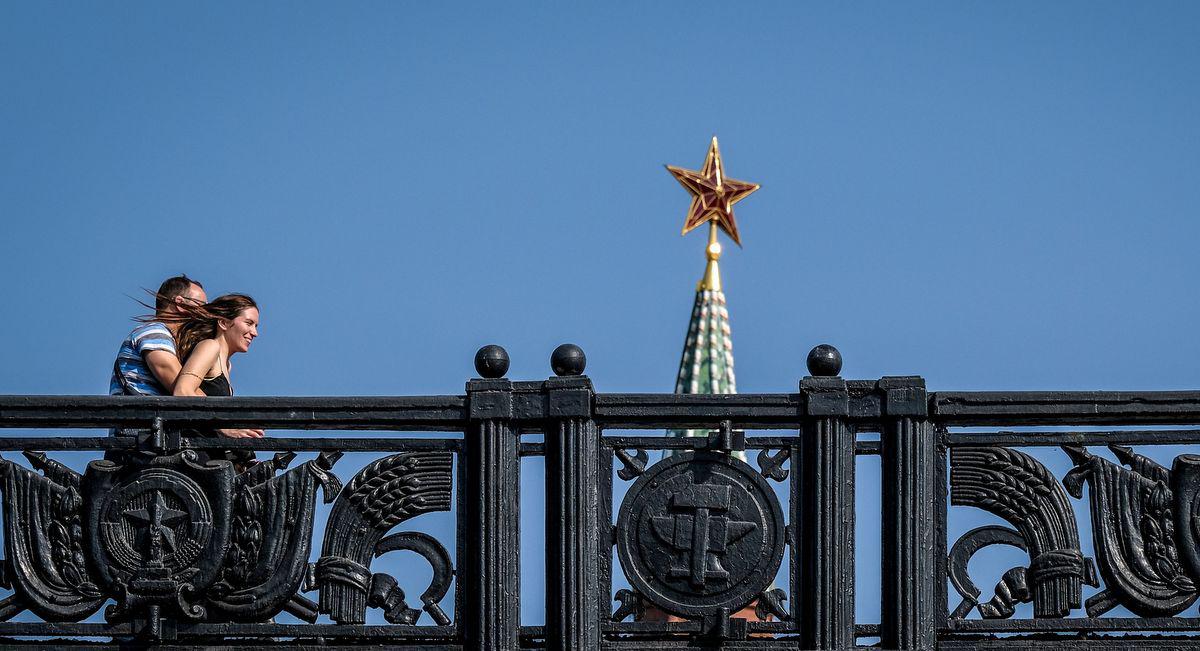
Those looking at Russia’s foreign relations would soon discover that the country is essentially a loner. It is not part of any international large family, whether Europe, the Atlantic community or the West. Asians do not recognize Russia as Asian, either.

Russia’s relations with the West are not about to get any better.
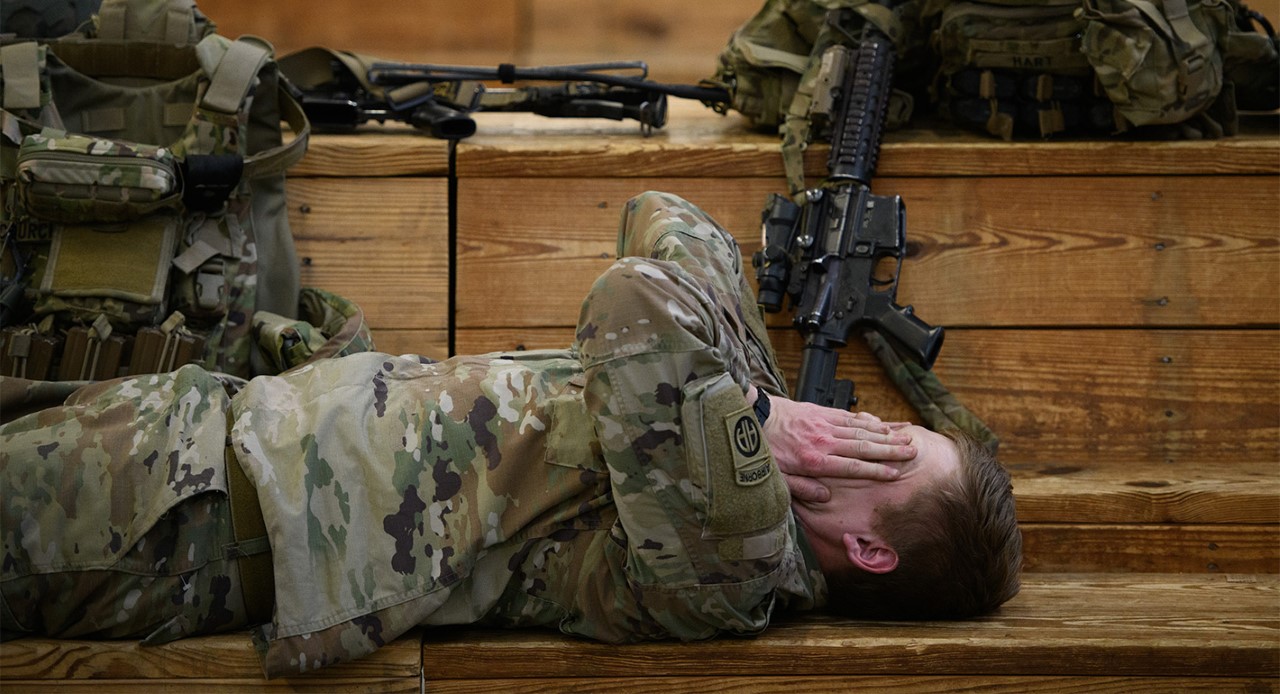
The U.S.-Iran crisis of January 2020 did not lead to a major war in the Middle East, but it did reveal a number of new trends reshaping the world order.
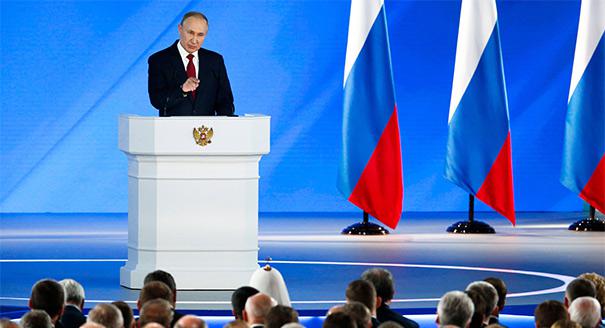
President Putin’s unexpected proposals this week to change the Russian constitution prompted the instant resignation of the Russian government. What’s he trying to achieve, and will he succeed?
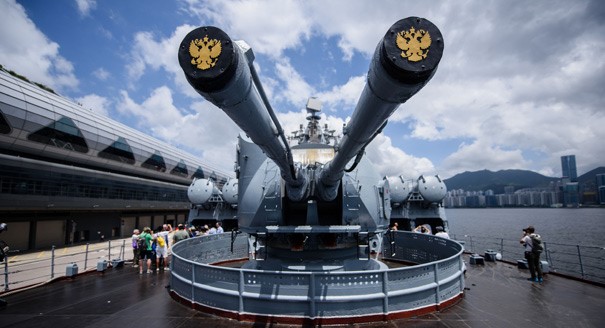
The world is probably entering a period of new bipolarity, in which the main players will be the United States and China. The situation will prompt various states to address the question of how they relate to the new central axis of global rivalry, this time between Washington and Beijing.