Carnegie Moscow Center


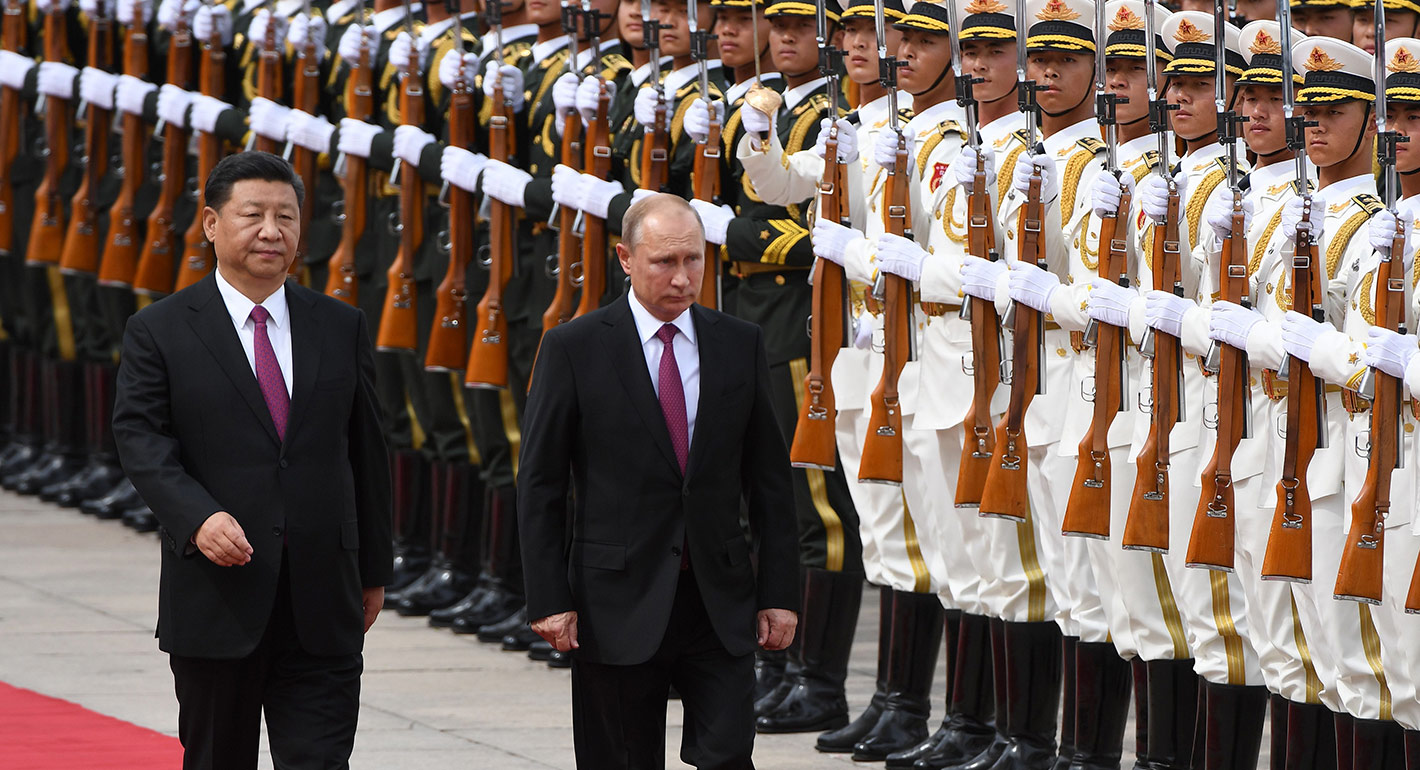
Russia and China’s strategic military cooperation is becoming ever closer. President Putin has announced that Russia is helping China build an early warning system to spot intercontinental ballistic missile launches.
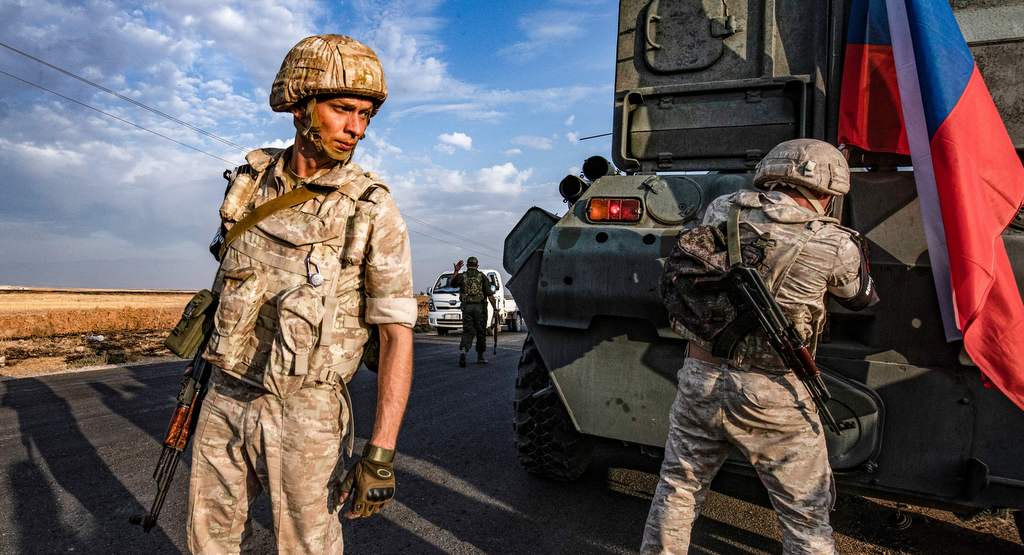
Russia is back and here to stay. Others had better accept it and learn to deal with it — without undue expectations, but also without inordinate fear.
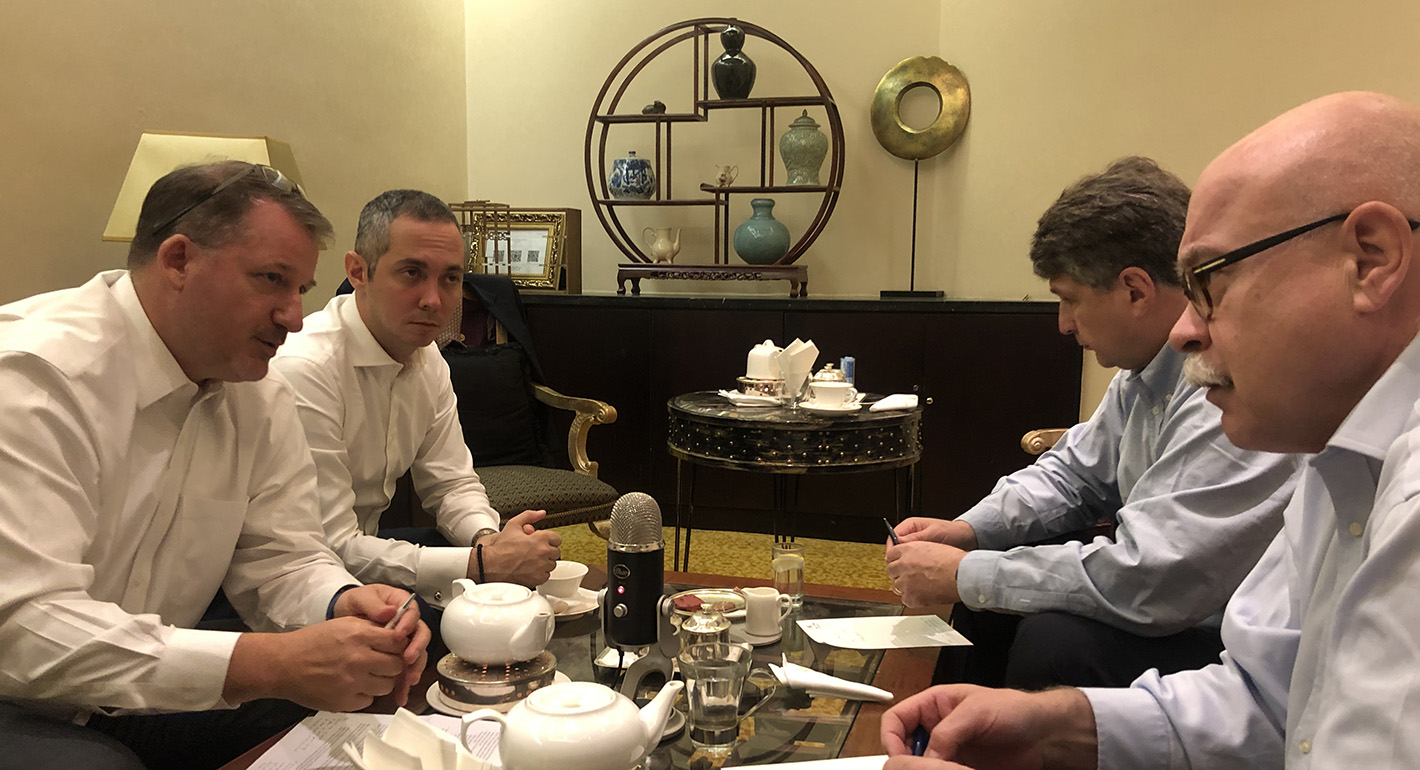
Discussion of U.S.-China-Russia relations often focuses on how American policy is driving Moscow and Beijing closer together. This analysis, however, ignores important factors limiting cooperation between China and Russia and preventing the two countries from forming an alliance.
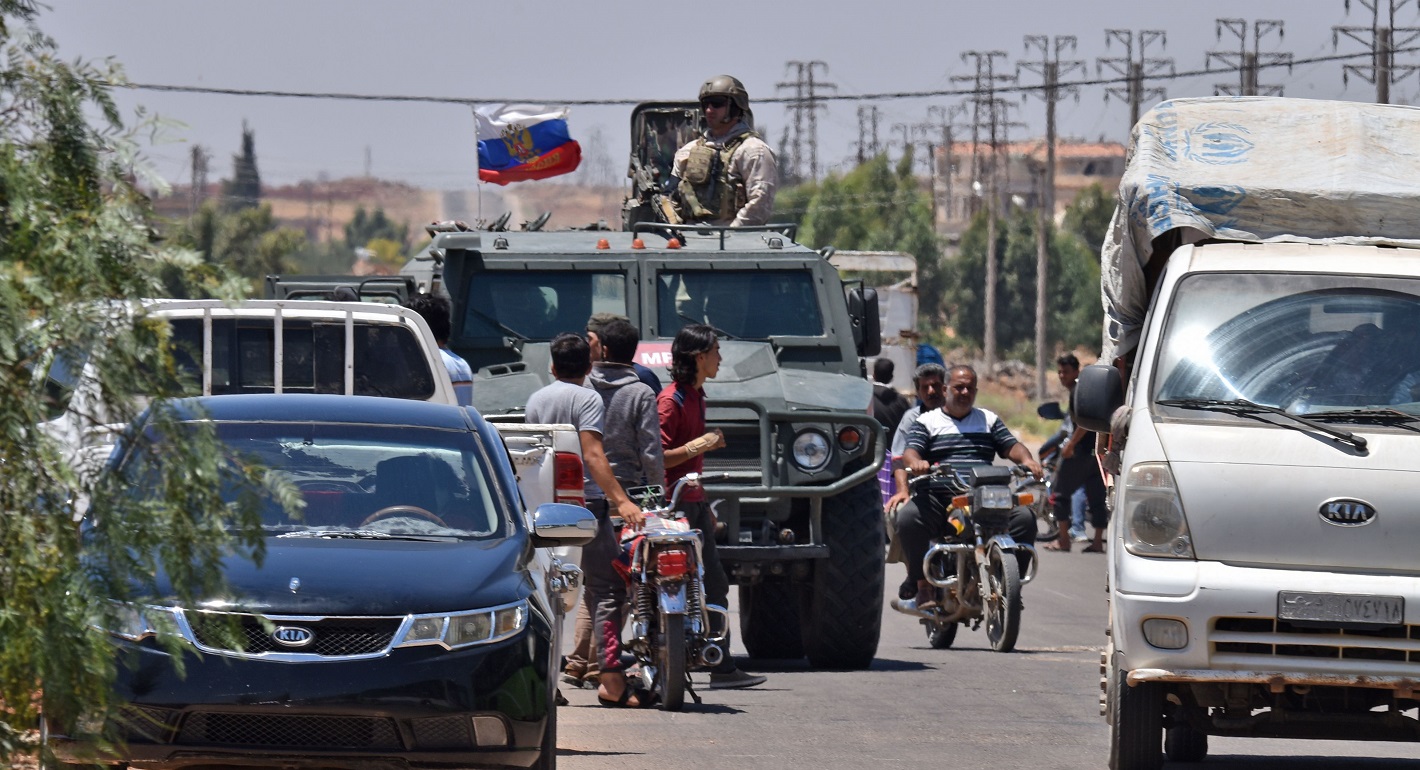
America’s withdrawal creates an opportunity and a challenge for Moscow.
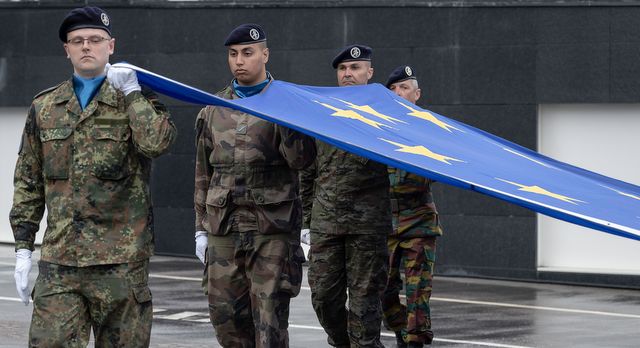
Russia need not concern itself about a new security architecture in Europe: eventually, one will grow out of its ongoing confrontation with the United States, together with the combined impact of Moscow’s rapprochement with Beijing and the evolving rivalry between the United States and China.

Today it makes sense to examine Putin’s legacy in practical regard, through the prism of certain questions: What is of abiding importance and should be preserved for the next generation of Russian leaders? What needs to be changed and developed? What should be best avoided in the future?
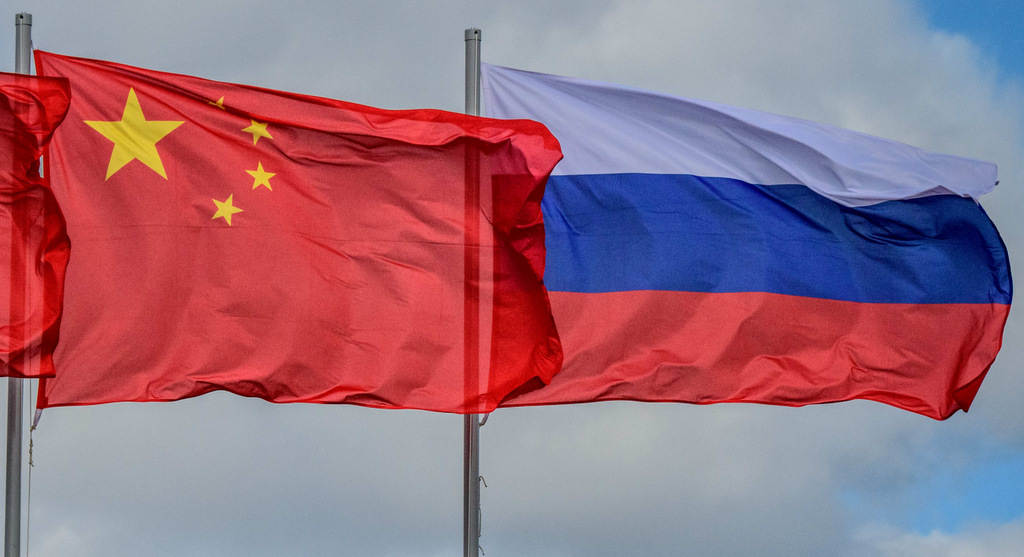
The China-Russian military cooperation with its underlying strategic calculus is clearly aimed at countering US moves and capabilities in the region.
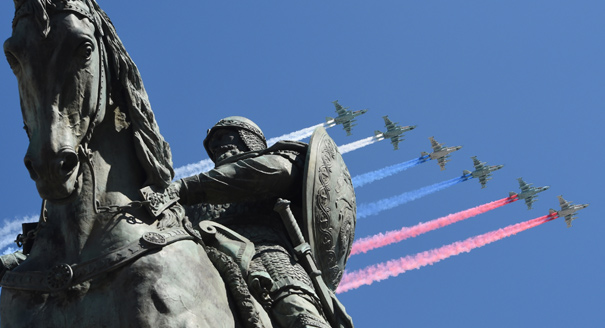
Russia’s brand of exceptionalism is not messianic. It is rooted in the isolation of an Orthodox country and its belief that it possesses the gift of a true religious faith. It has been strengthened by Russia’s successful—if costly—defense of its state sovereignty, and confirmed by Russia’s status as a major global player that refuses to take orders from anyone.
Russian history is a controversial and hotly debated subject, both at home and abroad. Distilling its lessons is difficult, but worthwhile, as many themes from Russia’s past are likely to endure well into its post-Putin future.
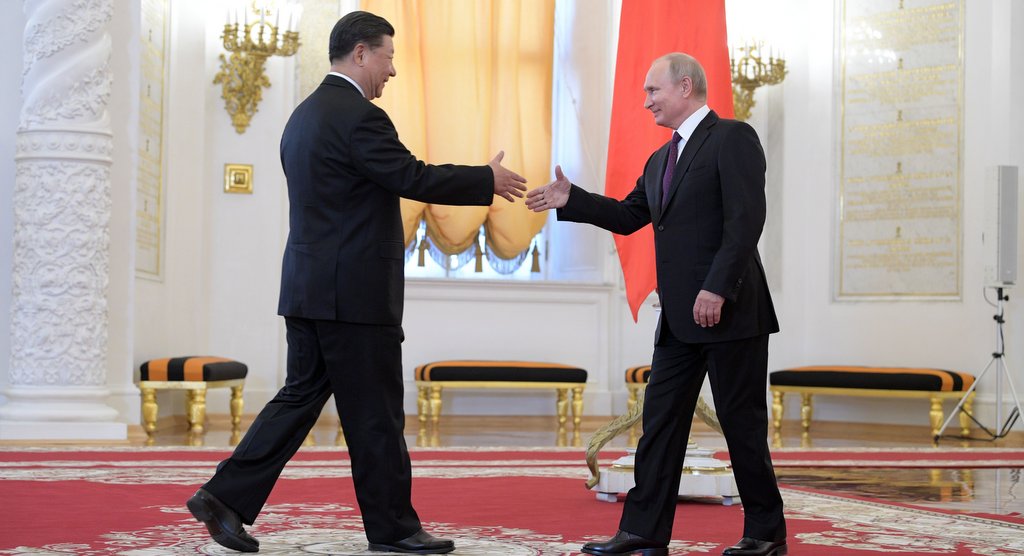
China and Russia have learned lessons from history: great powers lead or abstain, they don’t jump on the bandwagons of others, and in bilateral relations, great powers seek to maintain equilibrium-they may come close to each other if interests or circumstances demand, but not so close as to become followers.