Carnegie Moscow Center


Russia seeks to exploit divisions in the West. But how big is the threat?
The most memorable developments in Russia’s foreign policy in the past year include a breakthrough in the Middle East; a further escalation of the confrontation with the United States; continued alienation from Europe; and a tactical advance in Asia. Russia has significantly expanded its foreign policy arsenal, but there is still a sharp contrast between the country’s foreign policy ambitions and the limited capabilities of its economy.
Today, Moscow militates against the global order dominated by a single power – the United States of America.
Since February 2014, the Russian leadership has been in a de facto war mode with regard to the United States.
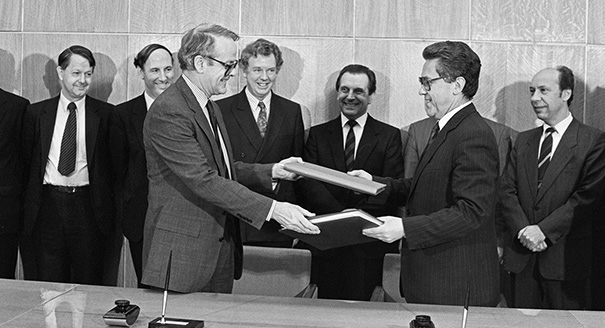
Russia is neither doomed to have adversarial relations with the West nor destined to have friendly ones with it: it is all in the hands of policymakers who need to learn, also from their own mistakes. Anatoly Adamishin’s book provides them with a rich body of experience to work from.
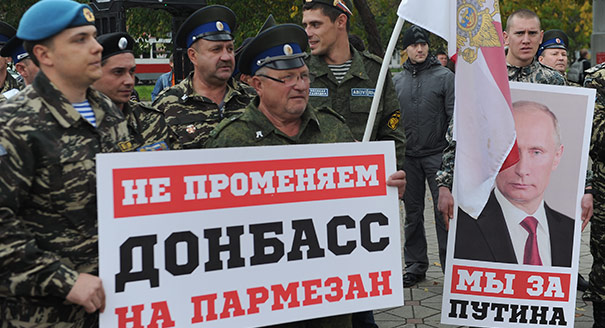
The establishment of independent Ukrainian and Belarusian statehood facilitates the development of Russia’s own national project, which is oriented towards the future, rather than towards the restoration of the past. Its key foreign policy feature is real sovereignty and the freedom of geopolitical maneuvering.
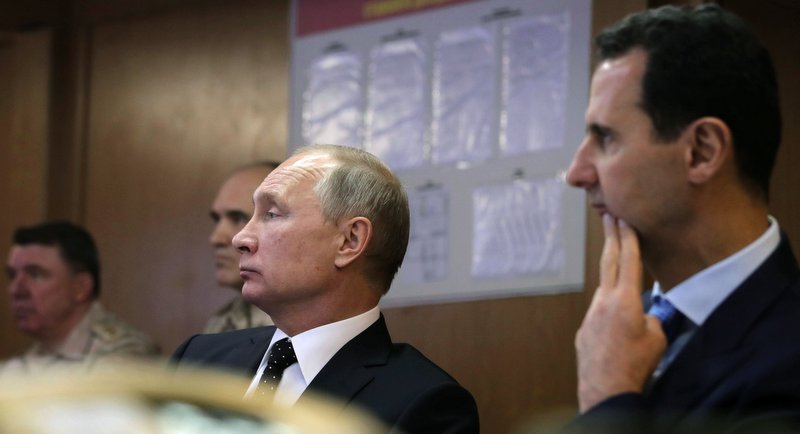
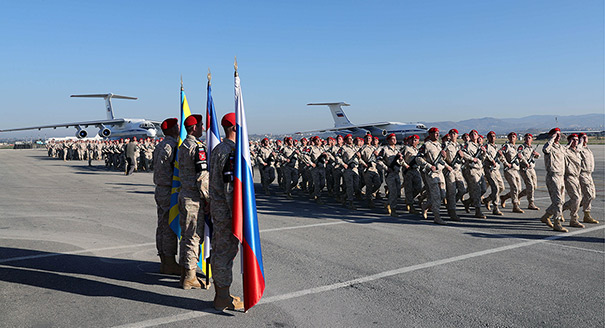
Russia realizes that with the war waning and reconstruction looming, others will begin to step forward in Syria, including China, Europe, and Japan. Moscow will seek to partner with them to secure a piece of the lucrative reconstruction effort.
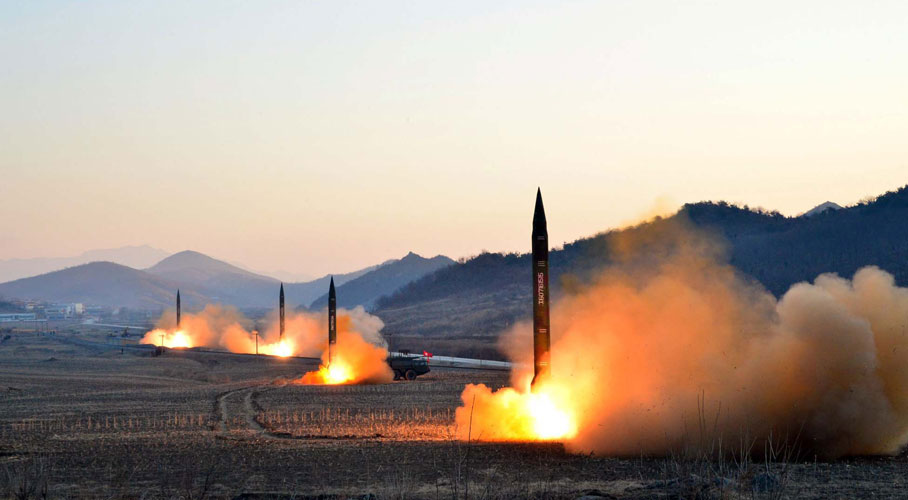
Dmitri Trenin joins Jen Psaki on the fallout from Russia’s meddling in the 2016 election, why North Korea may prefer Russia over China as an interlocutor, and how Russia may benefit from the end of U.S. rapprochement with Iran. (Runtime - 16:26)
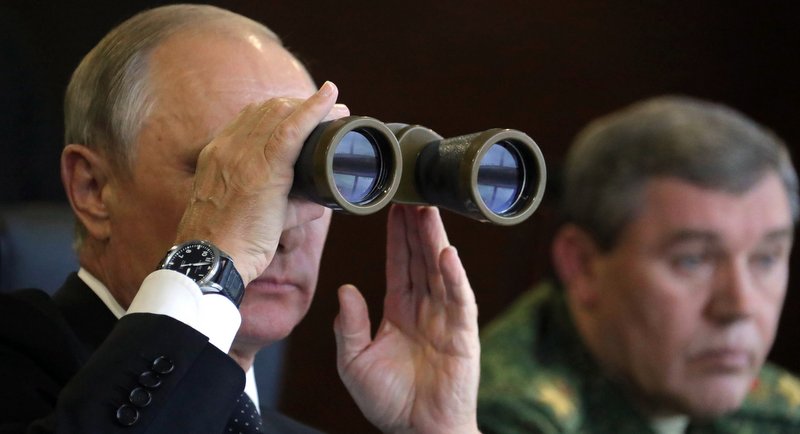
Moscow’s new grand strategy is still in gestation. It seeks to maximize connectivity with all, while putting Russia’s own interests first. Managing a large number of very different partners is difficult, but not impossible, as Moscow’s recent experience in the Middle East shows.
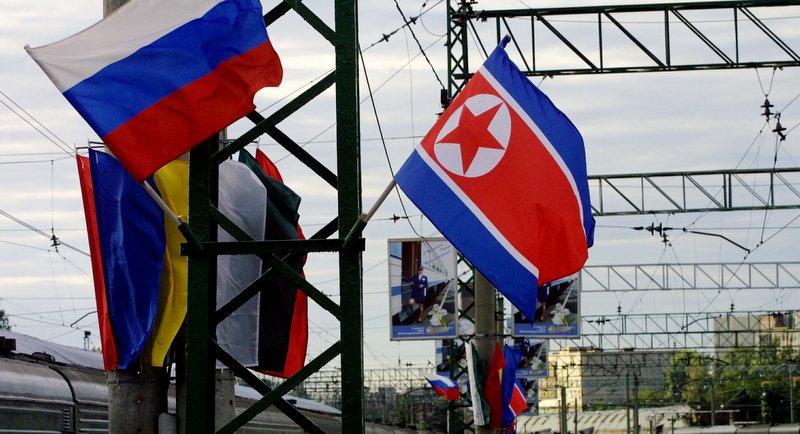
Washington and Pyongyang will eventually need to resume direct talks. With neither party ready for that yet, at first secret contacts will have to be organized in third countries. In the meantime, de-escalation is the order of the day, and Russia one of its unlikely brokers.