Carnegie Moscow Center


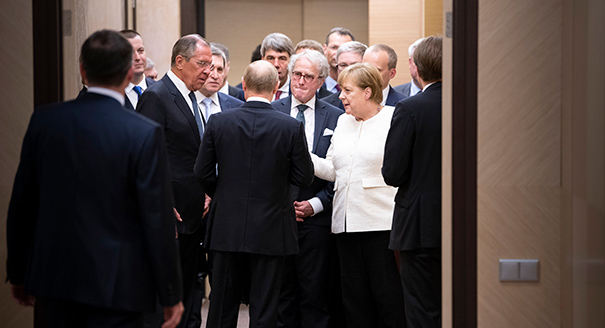
Russia can strengthen its geopolitical positioning in Europe in some respects by seeking to cooperate more with Germany, its most important European partner.

While the proxy war in Syria does hold the potential for a clash between U.S. and Russian forces, it is only one of several theaters in which a larger conflict between the two countries is playing out.
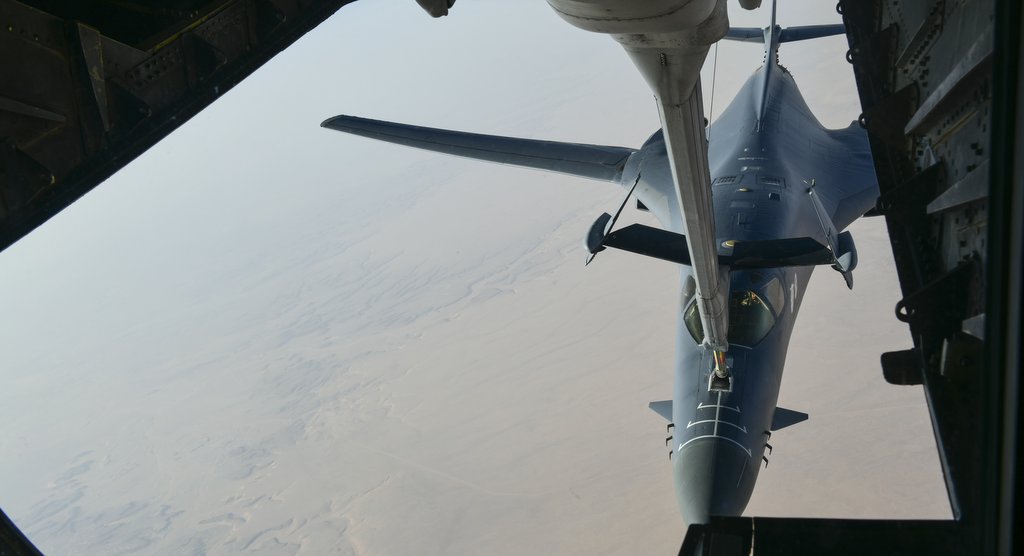
The One World of Pax Americana that has existed since the end of the Cold War is already history. US global dominance is still in place, but the peace has been shattered again. The new era is not a replay of the 20th century contest. It may be equally dangerous, but in its own way.
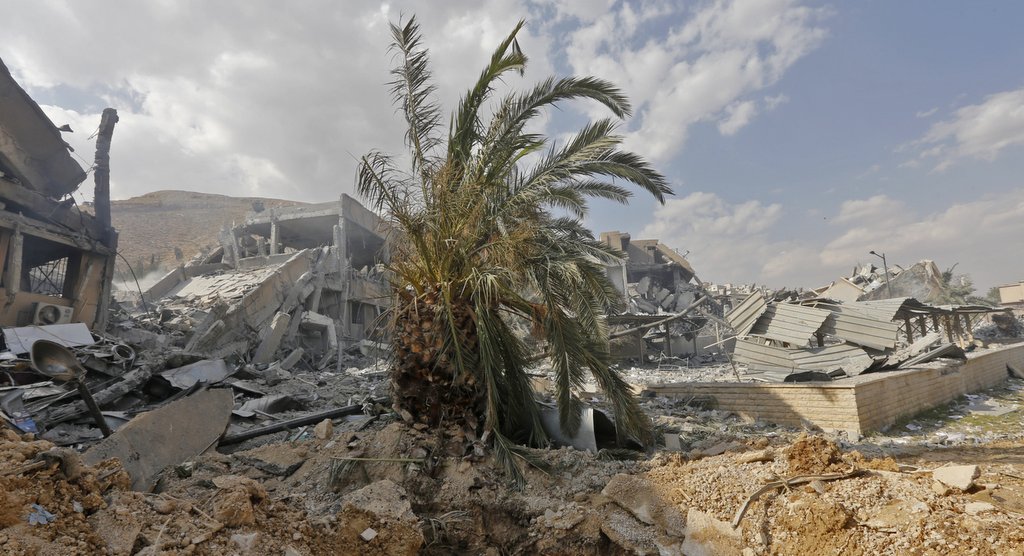
Policymakers need to learn from their military subordinates: They should keep their heads cool and think of the consequences of their actions, both intended and unintended.
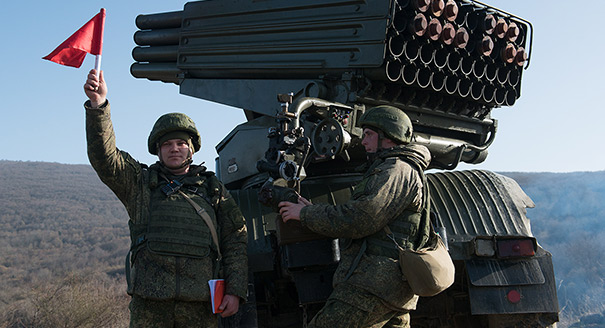
To ensure its national security, Russia needs a comprehensive strategy in the South Caucasus region.
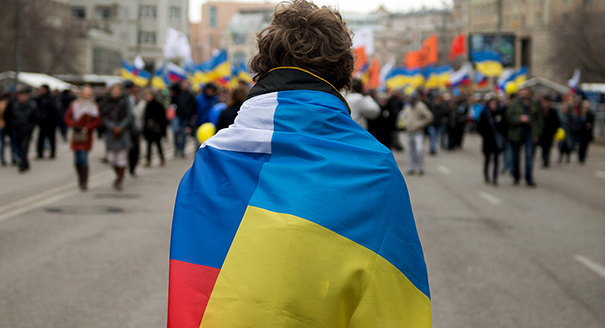
Russia is parting ways with both Ukraine and Belarus. This did not have to be a tragedy with Ukraine, and can still be handled amicably with Belarus. Moreover, an independent Ukrainian state and a Ukrainian political nation ease Russia’s transition from its post-imperial condition and facilitate the formation of a Russian political nation.
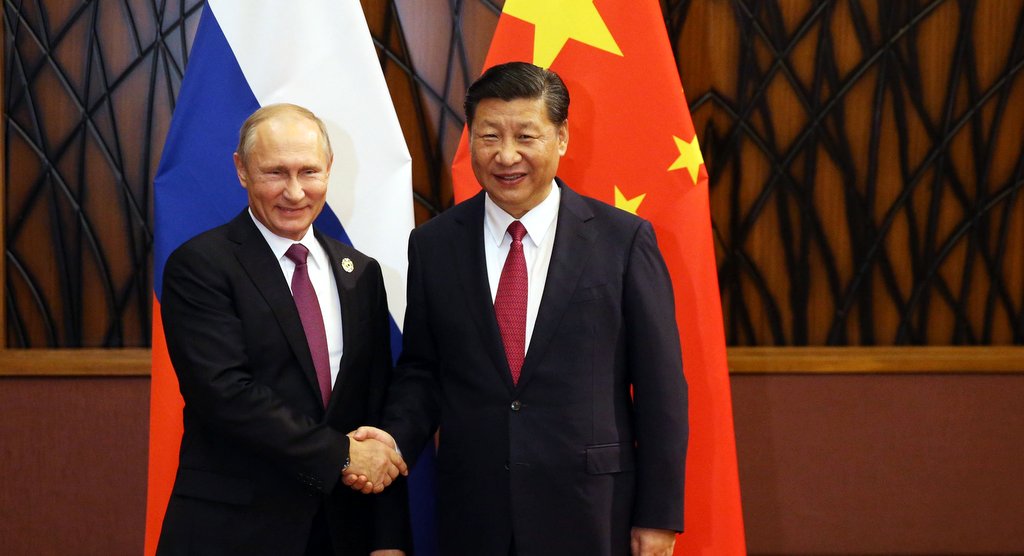
China and Russia have been cooperating closely over the past three decades. But since the Ukraine crisis, the process has become more dynamic. Moscow and Beijing are now coordinating their policies on a wider range of issues.
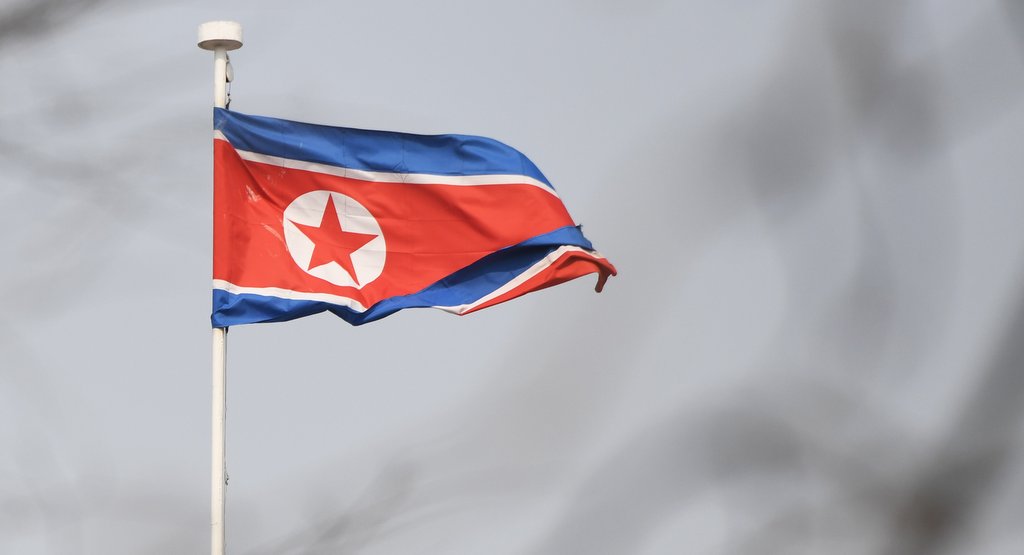
With US-Russian relations already confrontational and Sino-US relations becoming visibly more tense, the context for major power interaction on the North Korean nuclear issue has substantially changed from what it was only five years ago.
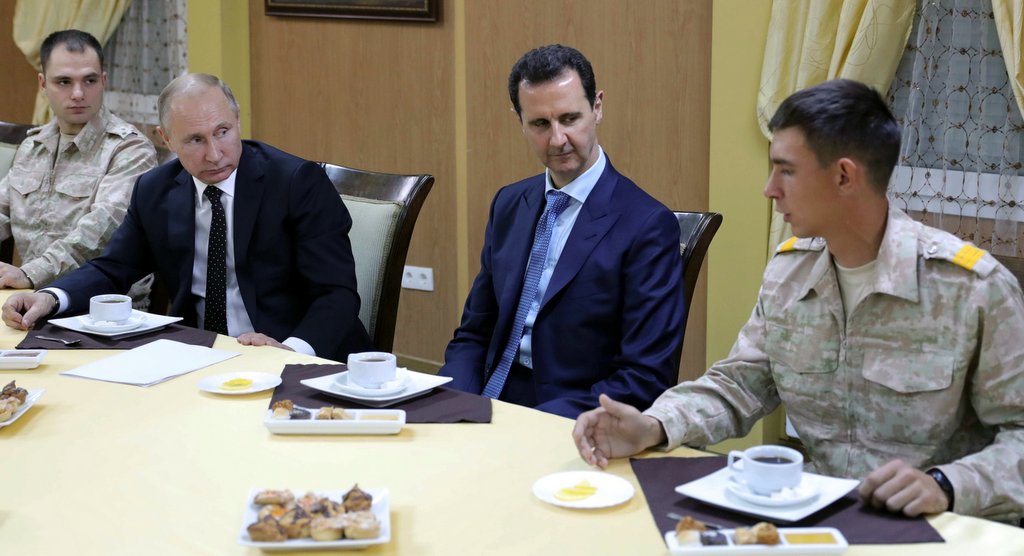
Carnegie Moscow Center’s Director Dmitri Trenin and Rethinking Russia discussed his new book “What Is Russia Up To in the Middle East?”, Moscow’s role and place in the region, the future of Syria and the Islamic State as well as Russia’s Syria collaboration with Saudi Arabia, Turkey and the U.S.
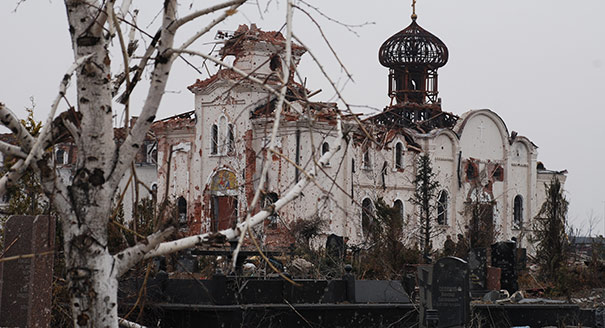
A security community embracing all of Europe would only be possible if Russia were included. This, however, is unlikely. The new confrontation between Russia and the West, the Hybrid War, is systemic and will continue for many years.