Carnegie Moscow Center


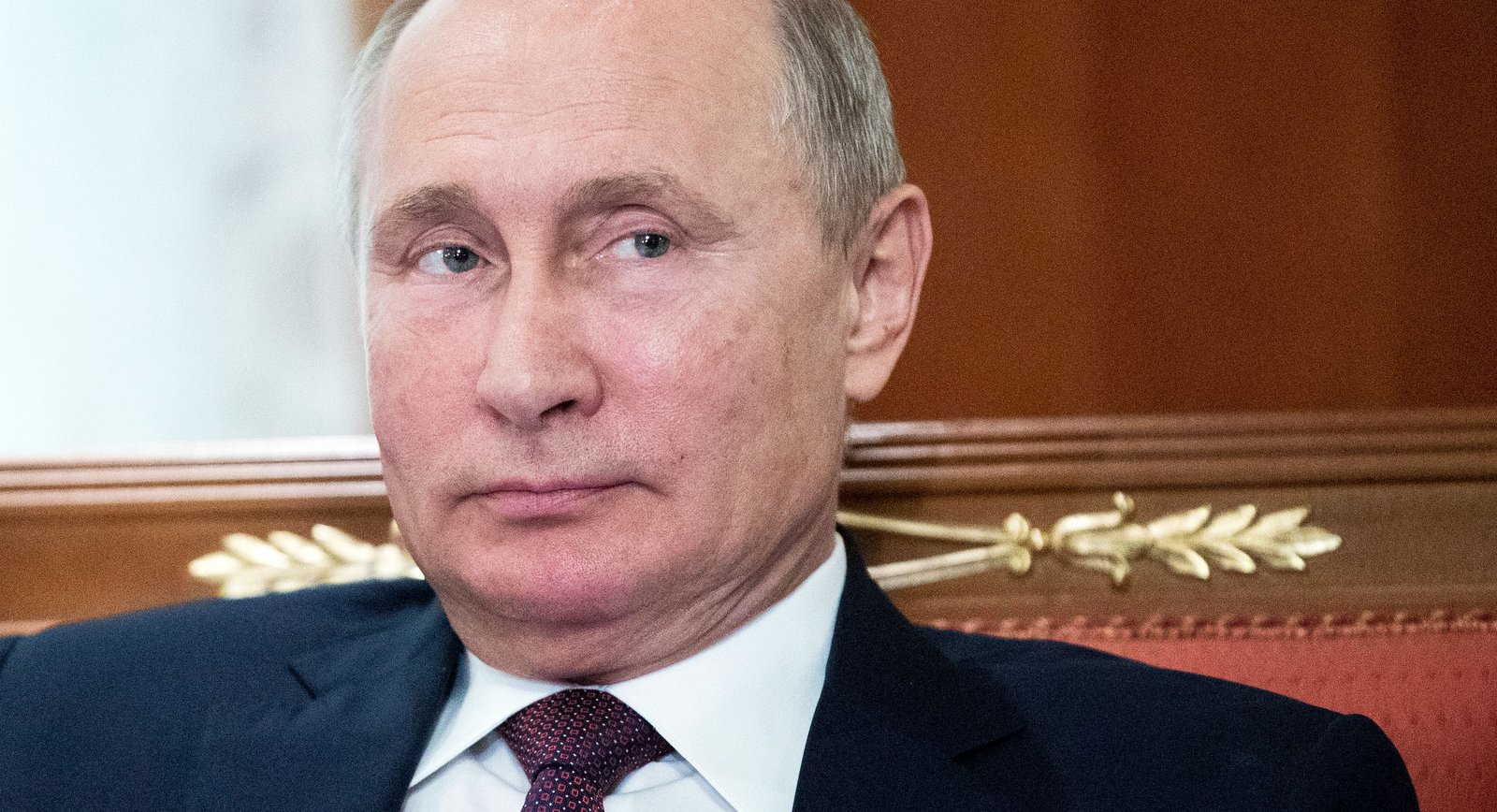
The Kremlin strongman has invested in Trump because he’s disrupting the world order. Win or lose on Tuesday, that will continue.

The U.S.-Russia strategic relationship—the only one to have featured strategic arms control—is no longer central to global strategic stability. While Sino-American relations are not nearly as dominant in terms of the rest of the world as U.S.-Soviet relations were during the Cold War. Thus twentieth-century methods of dealing with the issue of strategic stability, such as arms control, are insufficient.
Though a “Cold War” between the U.S. and China has not yet begun, the two sides are increasingly confrontational and risk shifting from competition to rivalry. Russia does not feel threatened by China’s rise, as Moscow remains confident that it can still benefit from the relationship.
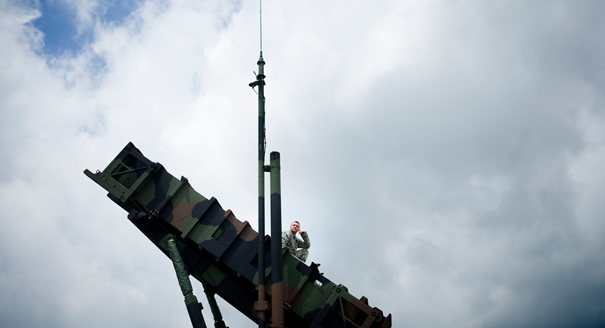
Moscow needs to remain calm and hold back emotions. U.S. withdrawal from the INF Treaty won’t compromise Russia’s security, which rests on the pillars of nuclear deterrence and mutually assured destruction.
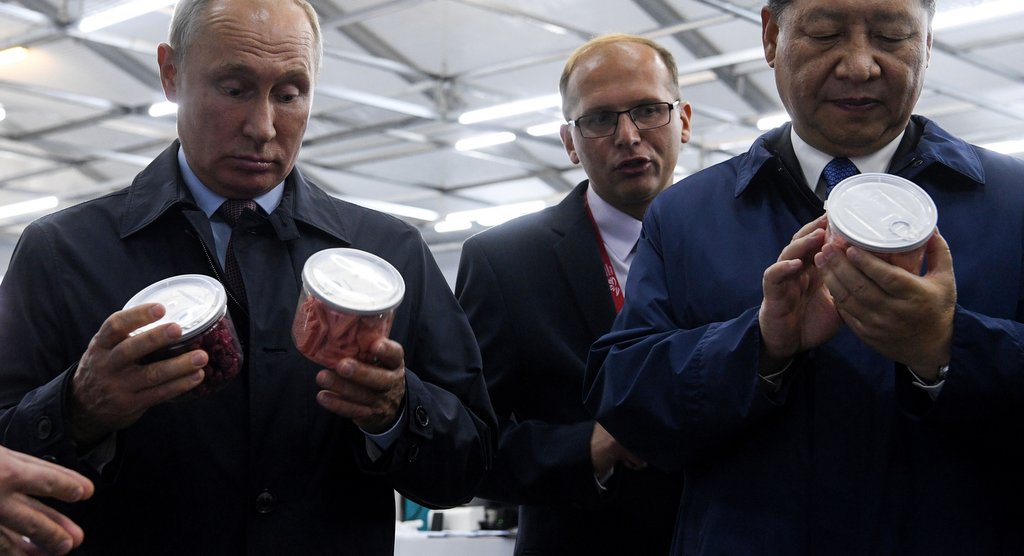
The Moscow-Beijing relationship, while not an alliance, is also more than the strategic partnership it still calls itself. It is best described as an entente — a basic agreement about the fundamentals of world order supported by a strong body of common interest.
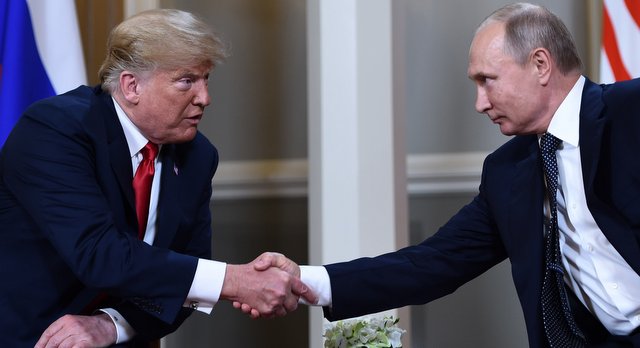
Having publicly entered internal U.S. politics, Russia must be prepared for various unpleasant surprises.

The first détente in the hybrid war between Russia and the West was nipped in the bud by Trump’s behavior and the vehemence of his domestic critics. So be it.
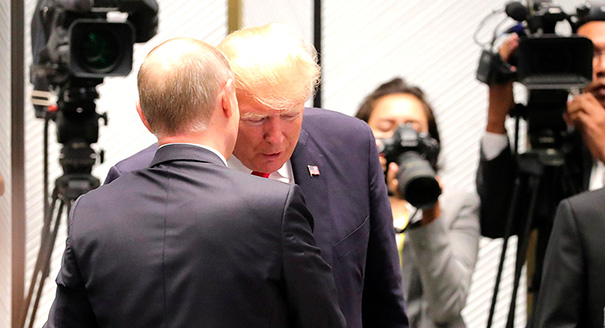
Helsinki will mark the first détente in the four-year-old Hybrid War between Russia and the United States. But there will be no major breakthrough. President Putin regards a meeting with the U.S. president not as a reward but as a resumption of normal business.
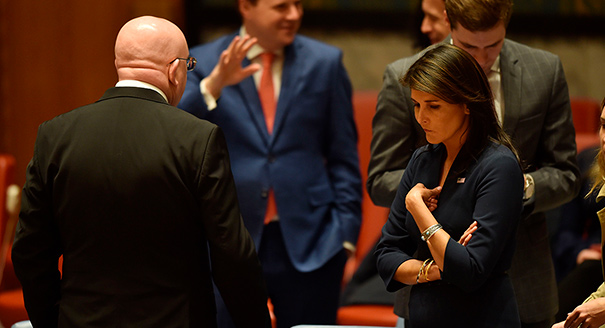
Since 2014, Russia and the US have been engaged in a hybrid war, characterized by conflict in financial, technological, and ideological spheres. Regardless of the results of the summit, this hybrid war is likely to continue for the foreseeable future. However, the relationship can and must be stabilized through clear understanding by both parties of the other side’s behavior and motivations

The Trump-Putin summit is unlikely to resolve long-standing disputes, but an earnest dialogue on the root causes of the two countries’ differences could set a necessary foundation.