Carnegie Moscow Center

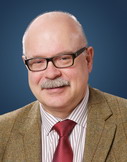

Russia has entered a new period in its political history and protests are likely to continue long after the election results are in.
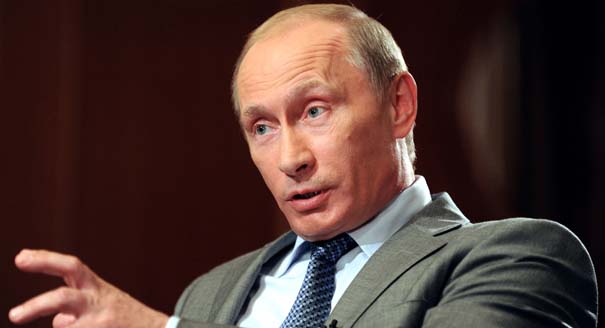
The problem with Putin’s vision for modernizing Russia’s military is that it rests on the misplaced belief that the United States is still the country’s principal adversary.
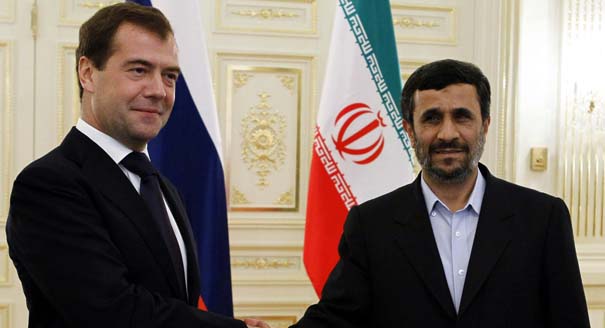
Moscow believes that stringent international sanctions against Iran will not put an end to the Iranian nuclear program or turn the Iranian people against their government and will also fail to stave off an Israeli airstrike.
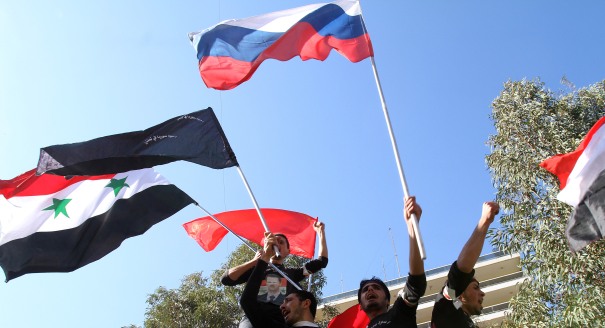
While Russia will not help push Syrian President Bashar al-Assad out, it must be careful about the consequences of a dispute with multiple countries over Syria. However, the West, too, needs to be careful not to antagonize Russia on this issue.
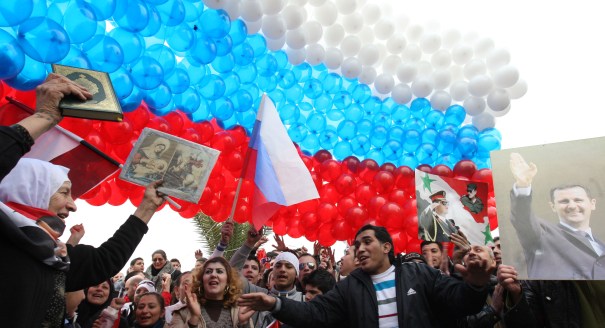
While there are a number of reasons behind Moscow’s stance on Syria, confronting the West and increasing tension in their relations with the broader Middle East is at odds with Russia’s wider interests.
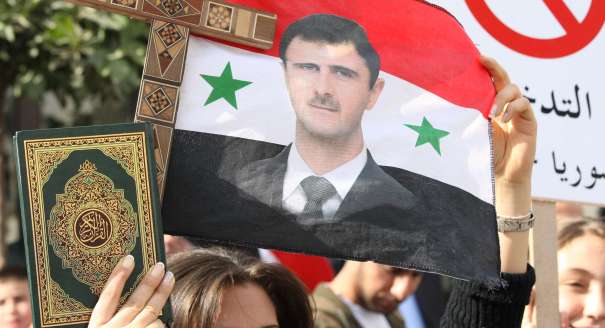
Moscow’s position on Syria is primarily shaped by the recent experience of Libya, strong doubts concerning the Syrian opposition, and suspicions about U.S. motives.
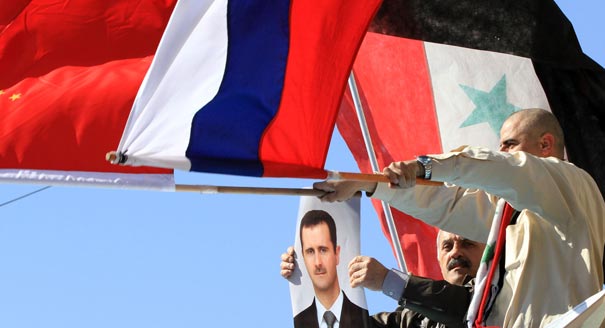
Russia's position on Syria is often described as a result of Damascus being Moscow's political ally, a major arms client, and a fellow authoritarian regime, but the reality is more complex.
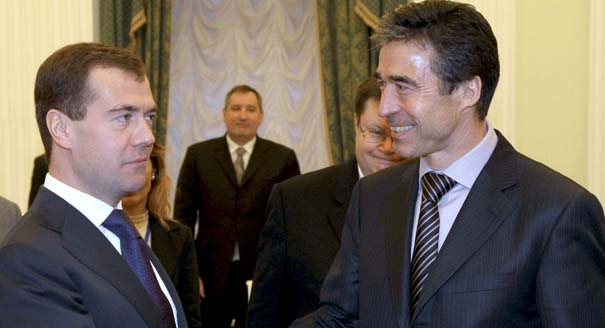
The core issue in the NATO-Russia relationship is the mutual deficit of trust. The Euro-Atlantic area needs a “security community,” where no member expects any other state to use force or threaten to use force against it.
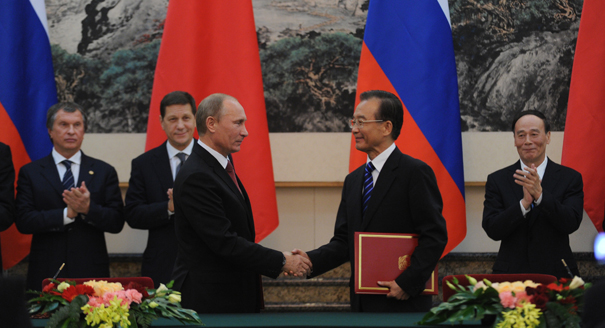
While the project of “grand Eurasian alliance” between Russia and China currently appears unworkable, the Sino-Russian strategic partnership is a major boon for both countries and acts as one of the pillars of peace and stability in Asia.
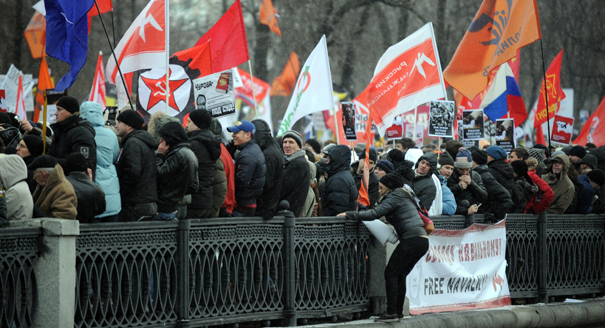
Russian authorities see the protests as the most serious challenge to their power since taking office in 2000. The coming year will be momentous for Russian politics, with unpredictable outcomes and potentially dangerous consequences.