Carnegie Moscow Center


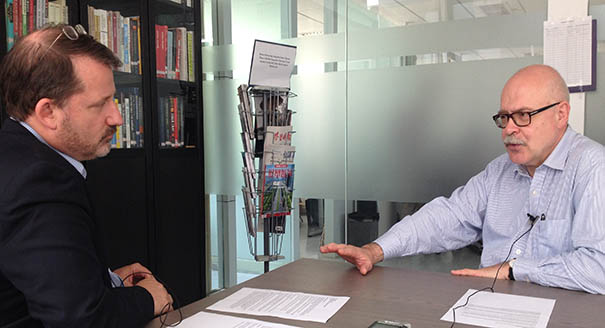
A shared commitment to building a multipolar international order in which emerging countries have greater influence is drawing Chinese and Russian leaders closer together.
The Ukraine crisis was not just about Ukraine, or even Europe. It was about the global order, which promises a long competition with a yet-unforeseen result.
Japan’s national interests need to be front and center, rather than subordinated to the not always clear vision—or lack of it—of a particular administration in Washington. These interests demand that Tokyo keeps a viable relationship with Moscow.
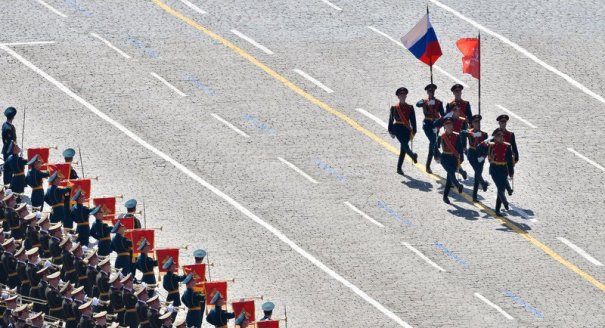
The Victory Day parade in Moscow has sent a number of important messages, which outsiders would do well to reflect upon.
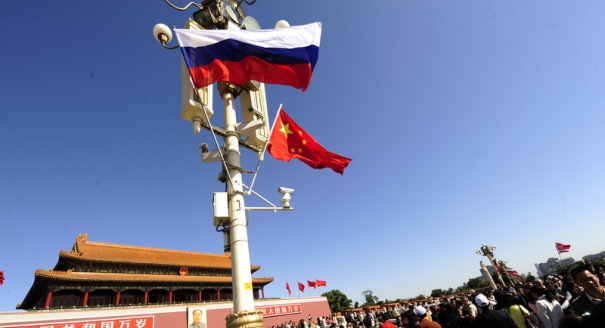
The Russia-China rapprochement is a sign of the changing world order, in which the West is still very relevant, but no longer dominant.
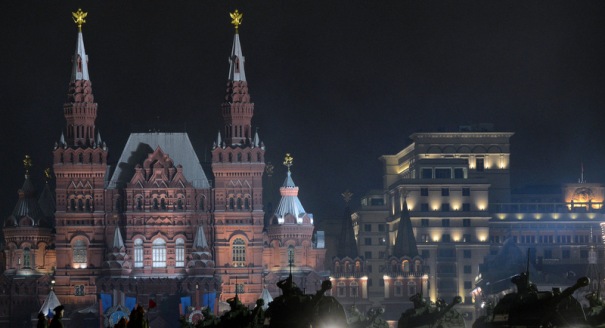
On May 9—the Victory Day—the majority of top-level visitors will come to Moscow from the non-Western countries. Russia’s quest for acceptance in or by the West is finally over, and its foreign policy will require a new identity and new orientation.
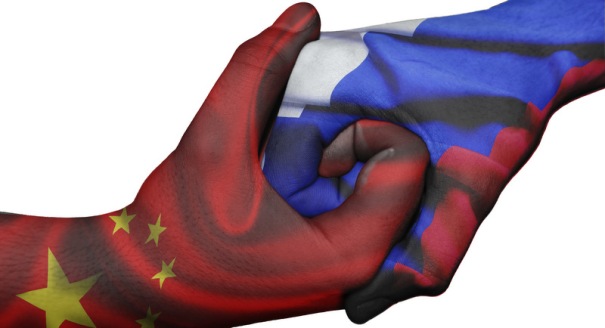
The Sino-Russian entente—with its unstated, but transparent goal of reducing U.S. global dominance—is easily the most important result of the Ukraine crisis and the preceding deterioration of Russian-Western relations. The West needs to take this seriously.
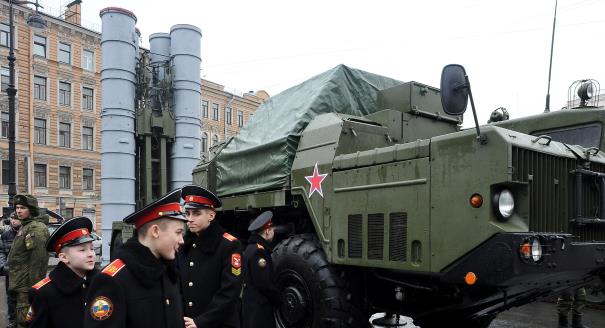
President Putin’s decision to lift the ban on the transfer of the S-300 air defense system to Iran signals a new departure for Moscow’s policy in the Middle East.

To avoid a dangerous meltdown in Ukraine, the West must lean hard on Kiev in support of economic and political reform.
Russia is tilting toward China in the face of political and economic pressure from the United States and Europe. This does not presage a new Sino-Russian bloc, but the epoch of post-communist Russia’s integration with the West is over.