Carnegie Moscow Center

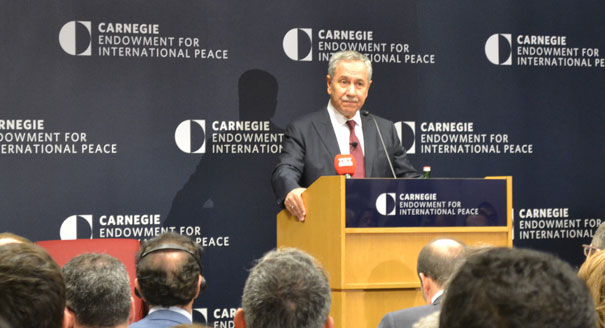
Turkey’s political landscape has been shaken by developments at home and in the region over the last six months, shifting the country’s democratic path onto a new course.
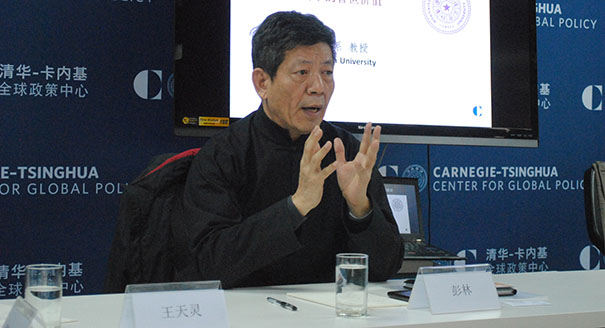
In the past thirty years, China’s global influence has grown with its embrace of globalization and the resulting increase in cultural exchange.
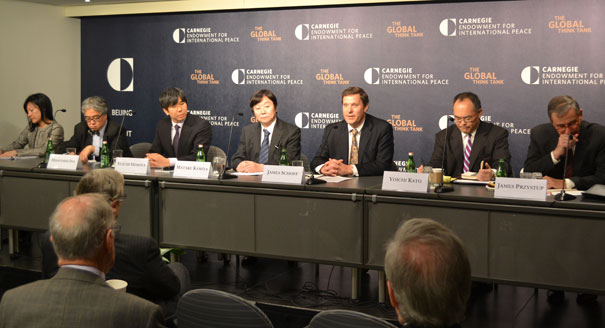
The United States and Japan are considering significant adjustments to their security cooperation framework following last month’s historic meeting of foreign and defense ministers in Tokyo.
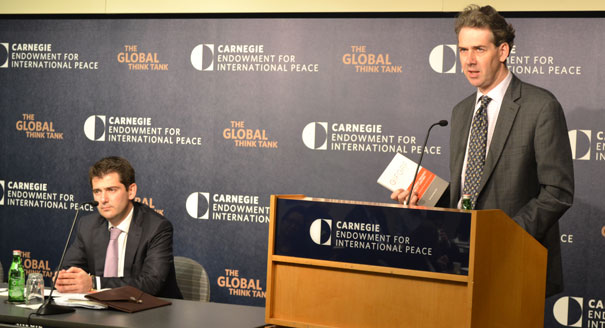
A regional conflict in Syria and a fast-expanding economy are pushing Turkey to embrace new energy strategies, focusing on new technologies and a realignment of partnerships.

Cultural exchanges between nations have become more important over the past decades. Major powers like China, the United States, and the EU have come to use such exchanges as part of their soft power strategy.
Despite repeated assertions that Conventional Prompt Global Strike will be a niche capability, not intended to affect U.S. strategic balances with other countries, Beijing does not fully trust these assurances.
Despite increasing economic ties, diplomatic relations remain icy between China, Japan, and Korea on a number of areas including historical issues, territorial disputes, and North Korea policy.
Much has been made of China’s recent internal and external rebalancing.
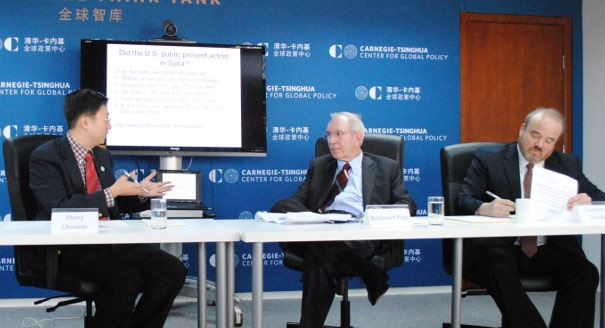
The role of public opinion on policymaking in the United States is complicated and deserves a more thorough examination.
Aiding democratic progress in Africa faces an array of ongoing and emergent challenges, ranging from chronically weak state capacity to rising pressures in some parts of the continent from Islamist extremists.