Carnegie Moscow Center

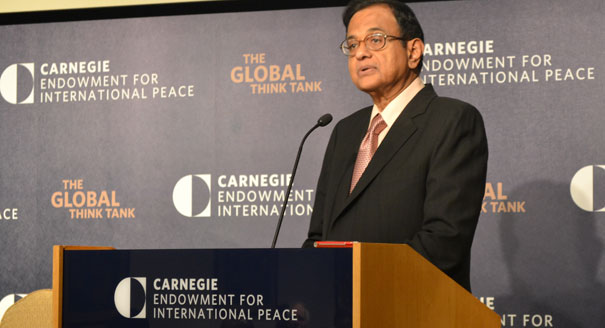
Indian Finance Minister Chidambaram discussed India’s economic future and his government’s plans to restore rapid growth.
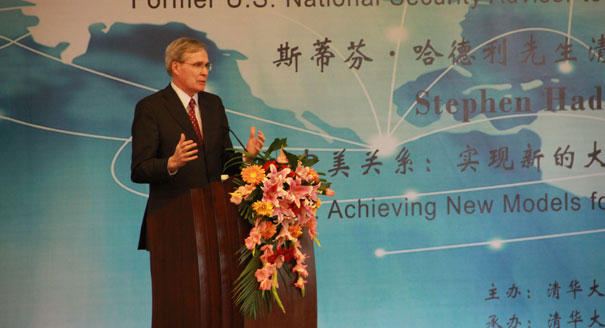
The United States and China can build a new type of great power relations by making cooperation on global challenges the dominant element.
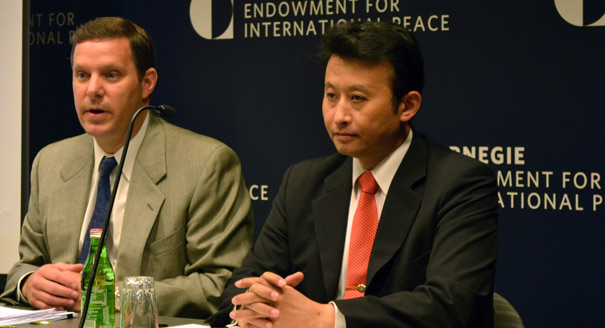
The complex interplay of domestic politics and regional diplomacy involving the Korean Peninsula creates a high-stakes “Two-Level Game.”
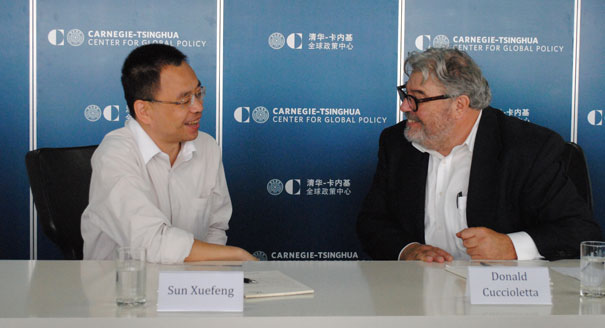
Four months after the historic meeting between Chinese President Xi Jinping and U.S. President Barack Obama at the Sunnylands Estate, the direction of Obama’s East Asia policy remains unclear.
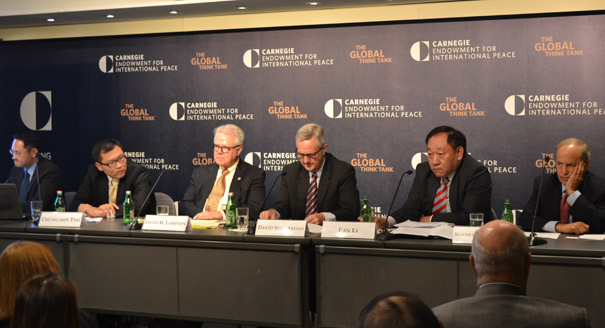
Cross-strait relations have evolved in part as a function of domestic political and social trends.
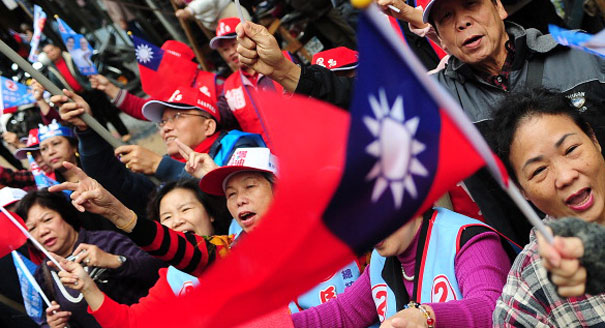
Following the 2012 elections in Taiwan and the United States and a leadership change in China, relations across the Taiwan Strait have generally remained stable.
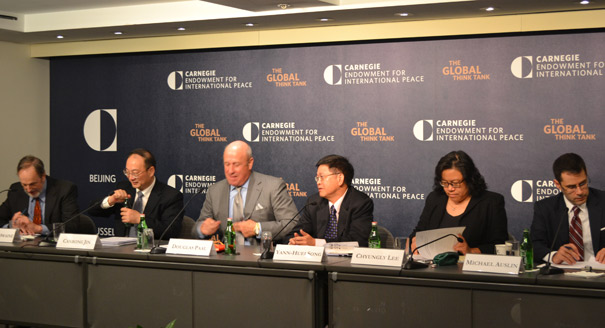
This panel examined how cross-strait relations fit into broader strategic trends, as well as the important regional implications from such developments.
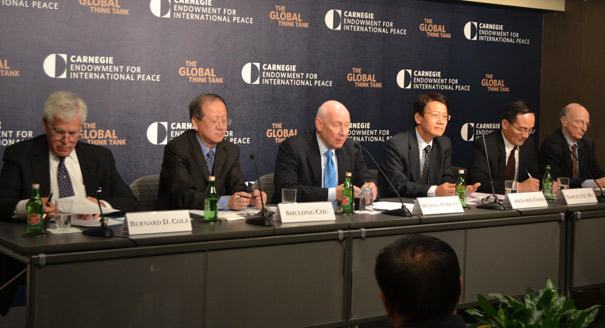
Panelists reflected on promising trends as well as longstanding obstacles in economic, political, and societal interactions between China and Taiwan.
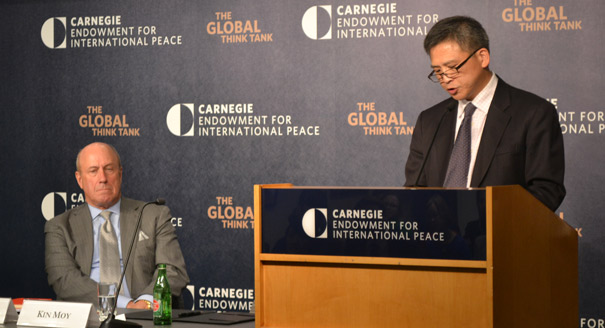
Kin Moy, U.S. Deputy Assistant Secretary of State for East Asia, spoke on the positive trends in U.S.-Taiwan ties and areas for further cooperation in the context of cross-strait relations.
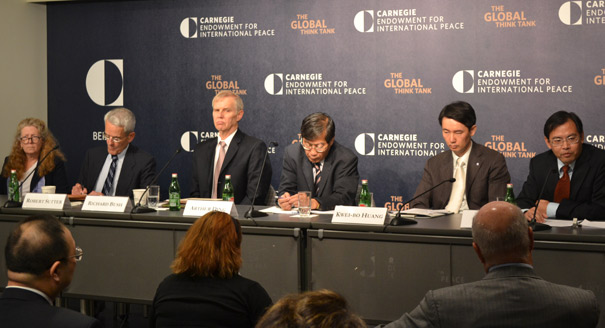
This panel discussed the strategic interactions between China, Taiwan, and the United States, and the implications for cross-strait dynamics.