Carnegie Moscow Center

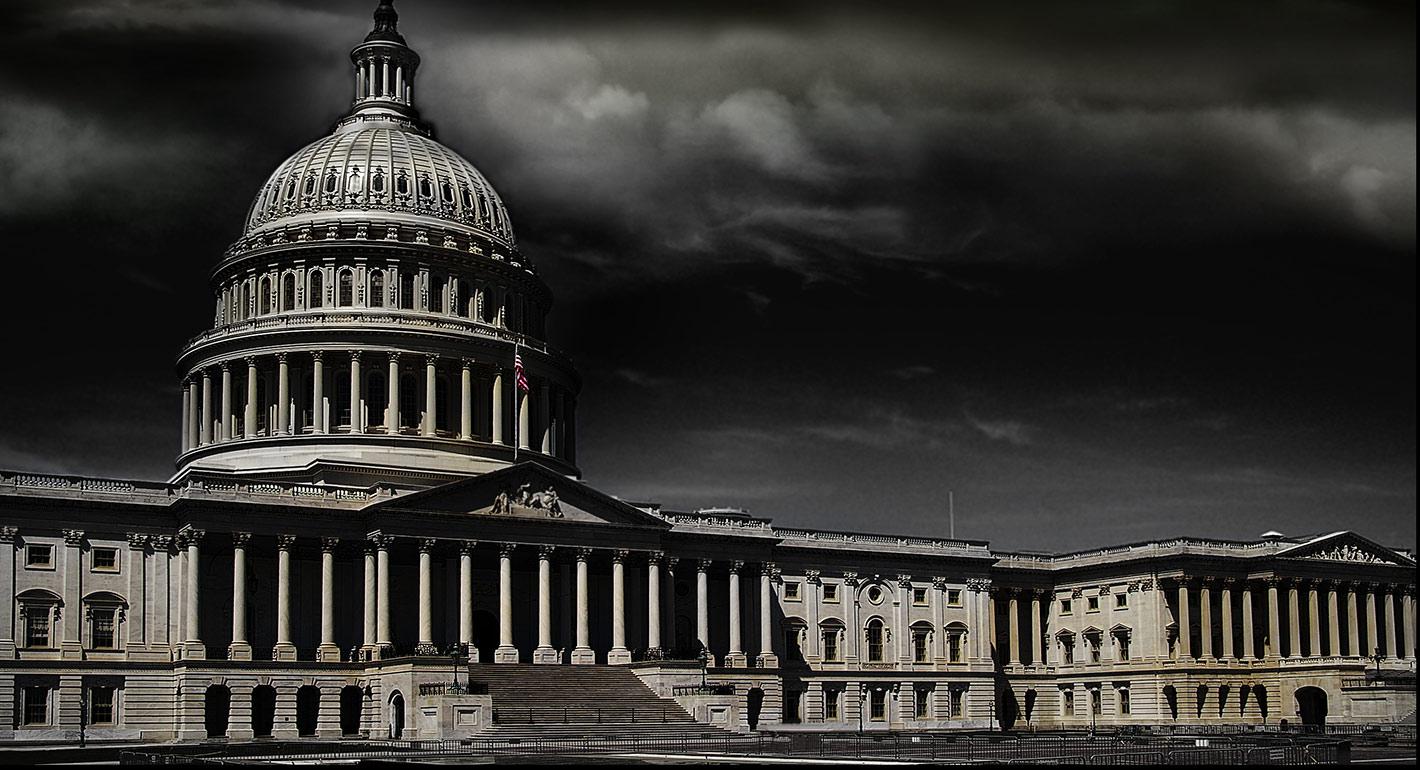
Global health pandemics, climate change, and cybersecurity threats are reshaping discussions about foreign policy and national security. As national security threats continue to evolve, how should the United States prepare?

In her new book, Emmy-winning journalist and New York Times bestseller Kim Ghattas examines the unraveling of the modern Middle East and why it started with the pivotal year of 1979.
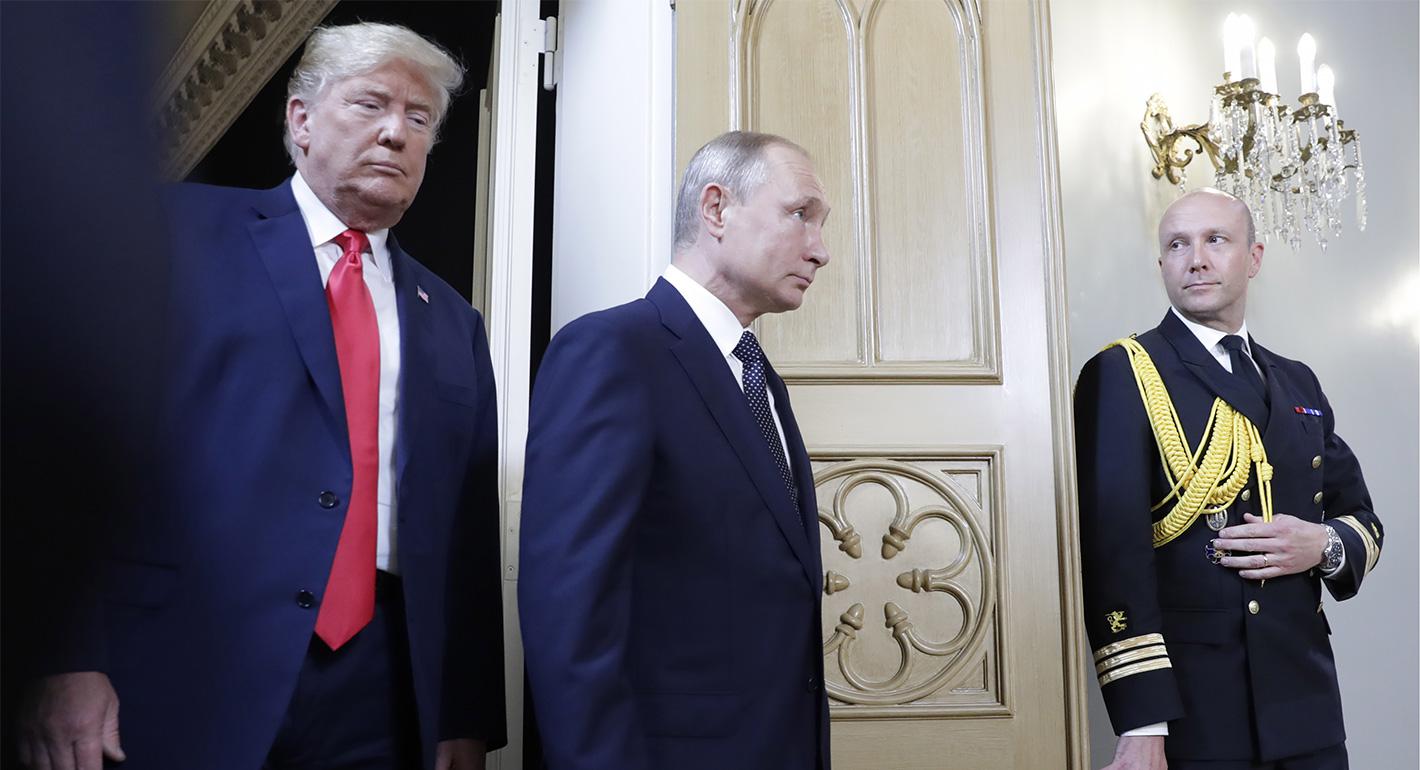
Over the past two weeks, contacts between Presidents Trump and Putin have accelerated dramatically. Putin is trying to make common cause with the United States to deal with a deadly enemy, but is such a reset possible?
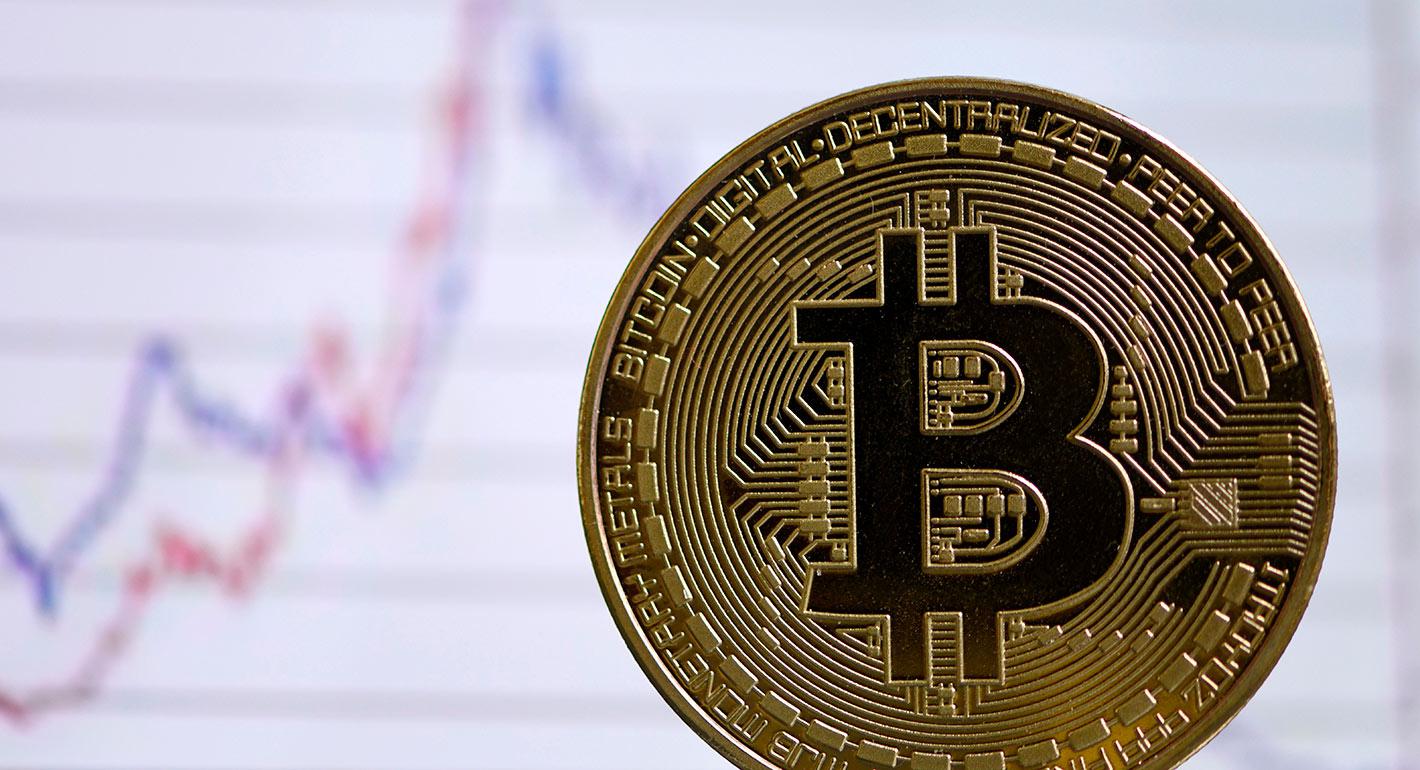
Cryptocurrencies have sharply polarized traders, financial analysts, and regulators around the world.
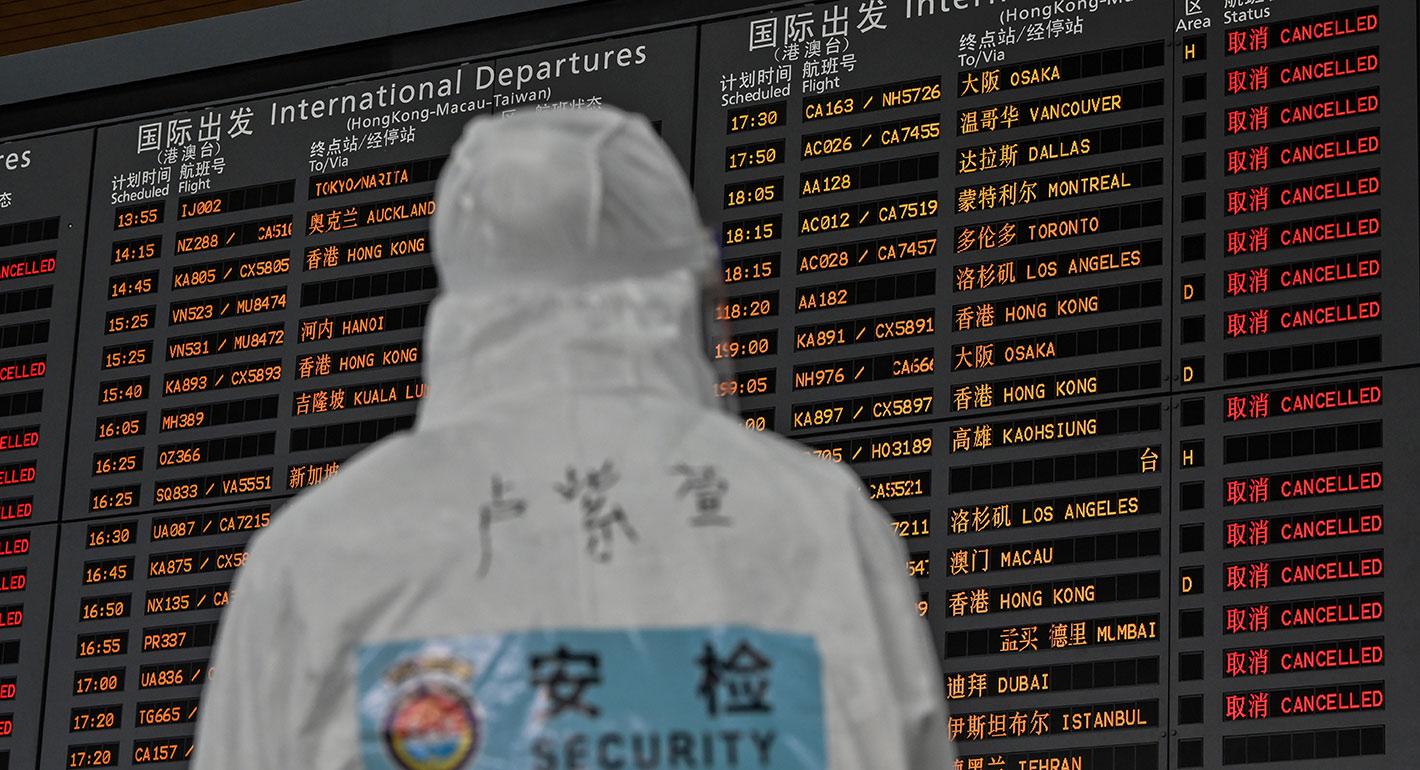
As nations around the world close their borders, halt international trade, and craft national responses to limit the spread of the disease, the current crisis has reinforced nationalist rhetoric on economic protectionism and anti-immigration.
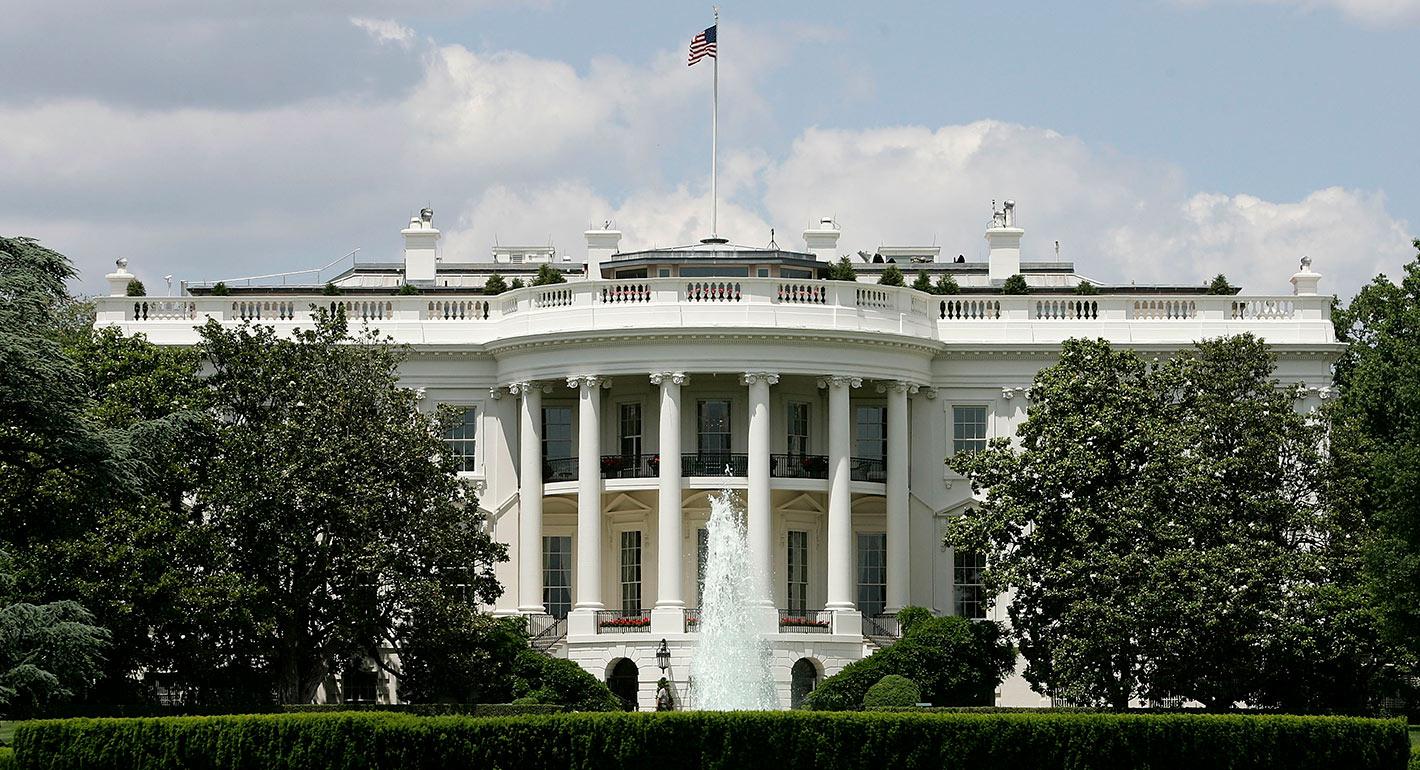
American presidents have faced global crises before, from war, to deep economic recessions, the threat of imminent nuclear war, and even global pandemics.

With well over 870,000 confirmed infections and 40,000 deaths worldwide, COVID-19, the disease caused by the fast-spreading new coronavirus, has caused global havoc.
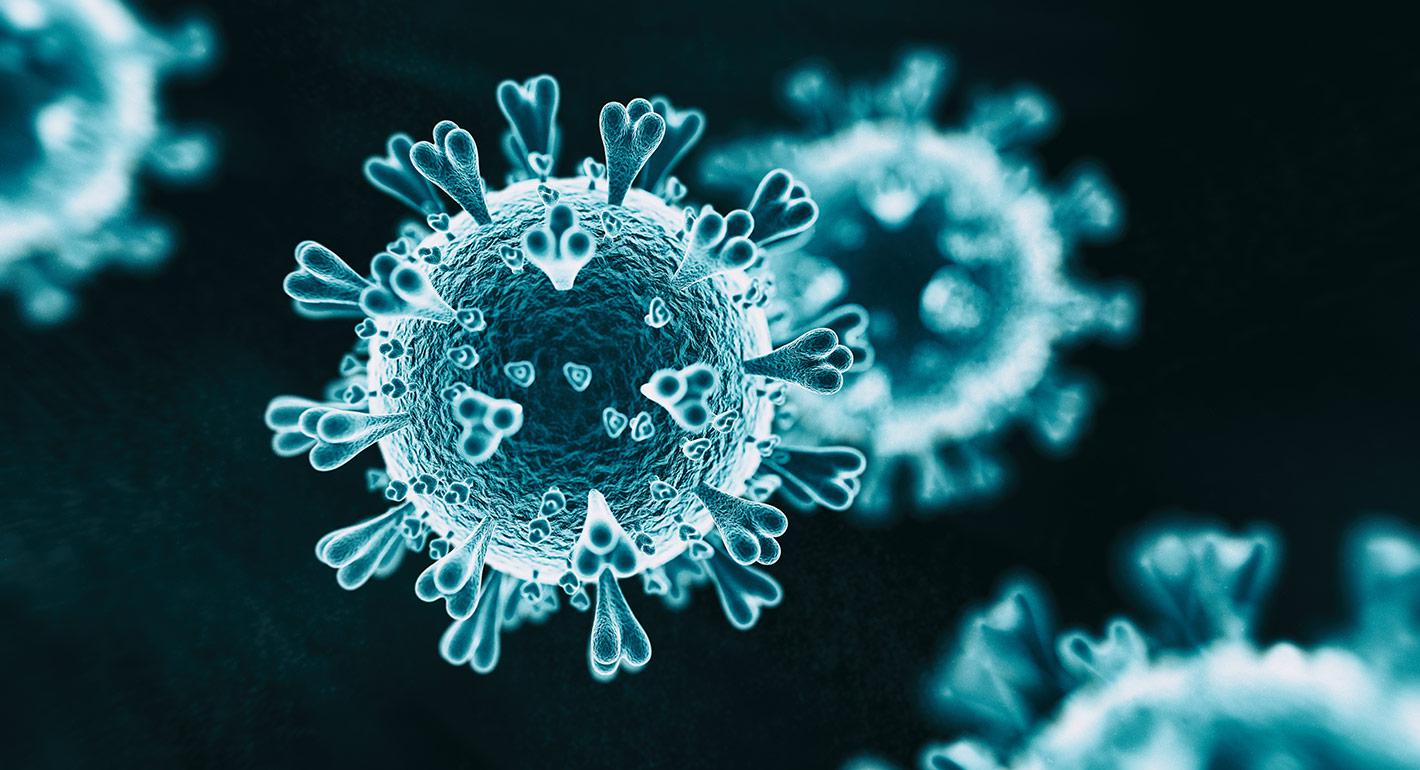
Recognizing the severity of the coronavirus pandemic, the Indian government announced a three-week nationwide lockdown until April 14, 2020.
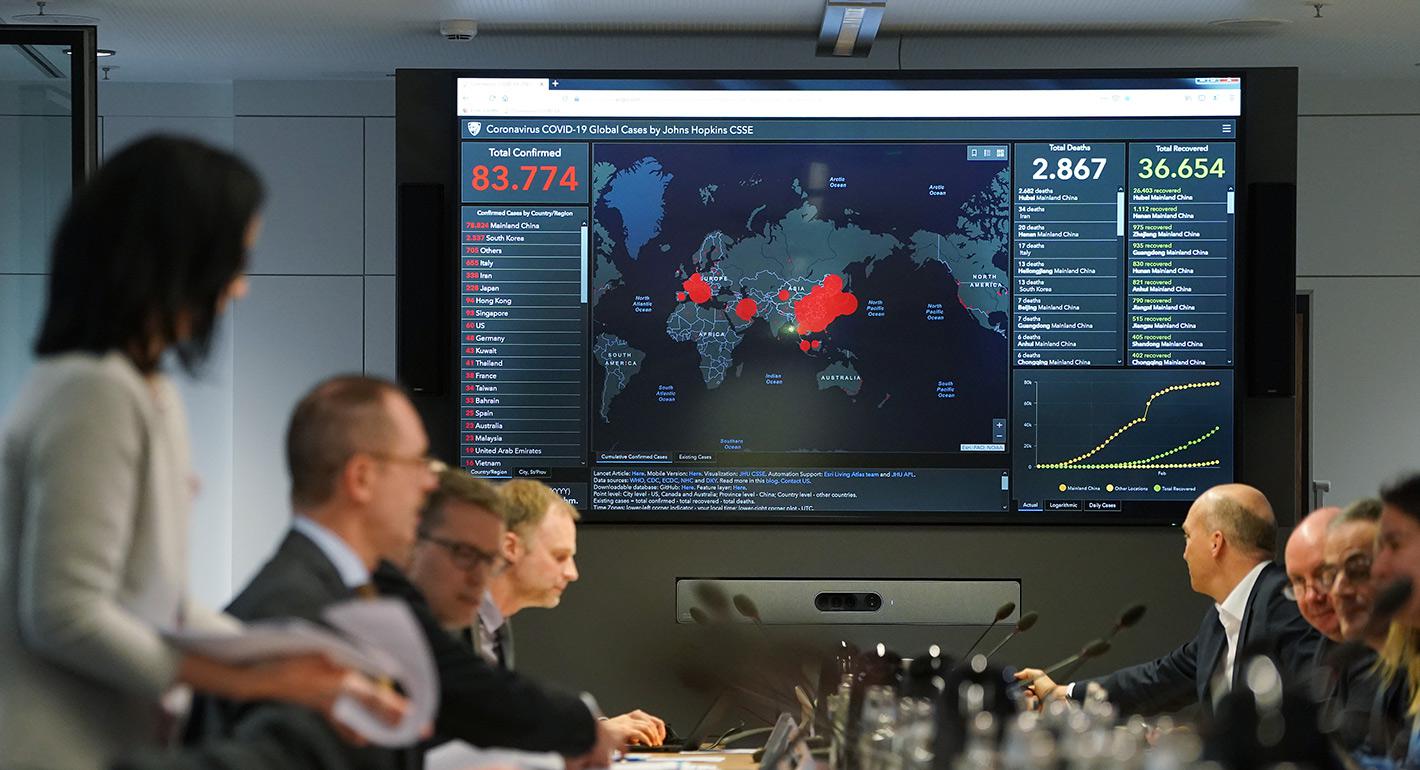
The novel coronavirus represents the gravest threat to global health since the 1918 Spanish Flu. How will the pandemic influence the internal politics of Russia, China, and key European countries?
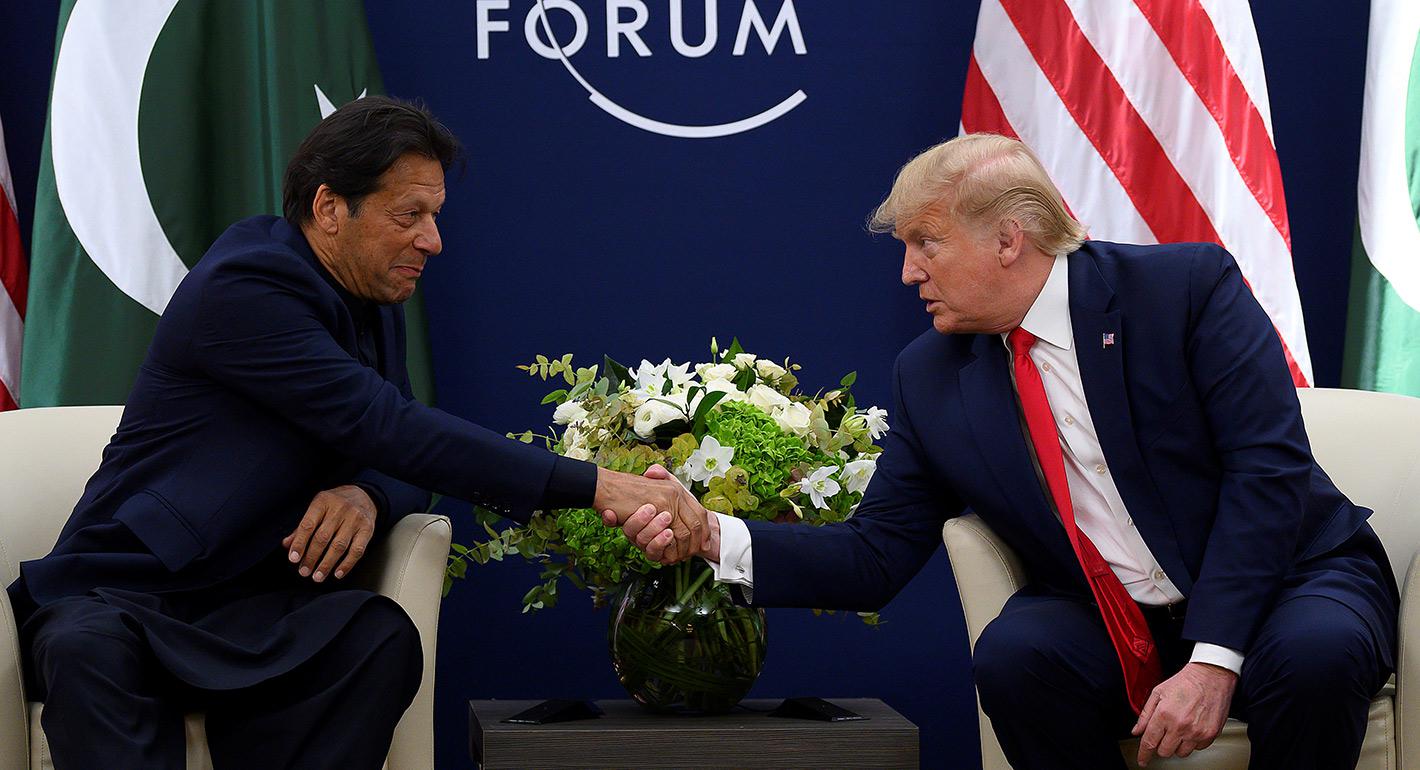
Pakistani ambassador-at-large Ali Jehangir Siddiqui discusses Pakistan-U.S. business ties in the context of the U.S.-Taliban negotiations and the U.S.'s hopes to end the war in Afghanistan.