Carnegie Moscow Center

Five years after the adoption of the new Iraqi constitution, the status of Kirkuk remains a flashpoint that threatens Iraq’s future stability.

A new report by Opora Rossii examines the strengths and weaknesses of Russia's national innovation system and outlines recommendations for fostering innovation in the country.
High oil prices and heightened safety concerns for nuclear energy in the aftermath of Japan’s crisis have put natural gas front and center in the energy picture.
Yemen's power structures are under great strain as the political elite struggles to adapt to nationwide demands for a more responsive and inclusive government. Saudi Arabia and the Gulf states will play a critical role in Yemen's future.
The recent Fukushima Daiichi crisis has prompted the State Council of China to temporarily halt approval of new nuclear plants pending a comprehensive safety review. The outcome will have major implications for China’s nuclear industry and for its entire energy future.
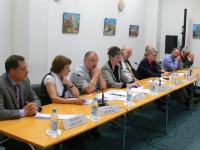
The fall of the Berlin Wall in 1989 ushered in a time of momentous social and political change, including in Russia, but Russia’s development followed a different path than that of many Eastern European countries.
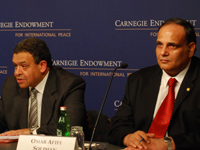
After the dismantling of the Mubarak regime’s State Security Investigations apparatus, questions remain about how the new National Security sector will differ from its predecessor and what security sector reforms will be implemented.
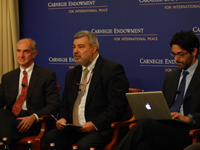
The uprisings sweeping across the Arab world will carry far-reaching—and difficult-to-predict—consequences for regional and international politics.
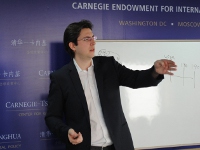
For over a century, the United States has been the dominating energy producer, but this world energy order has recently been overturned. China now has the world’s largest energy market.
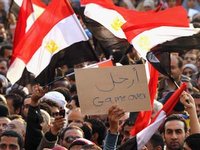
Although the Arab Spring uprisings were fundamentally domestic in orientation, the outcomes may have profound impacts on regional stability and balance of power issues.