Carnegie Moscow Center

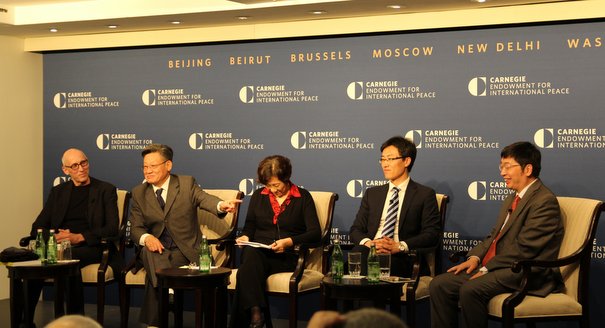
Chinese nuclear experts think about nuclear weapons very differently from their U.S. counterparts. They use different terminology and contrasting security paradigms to discuss and make decisions on nuclear policy. How can Washington and Beijing promote an effective dialogue and shared understanding despite their disparate approaches?
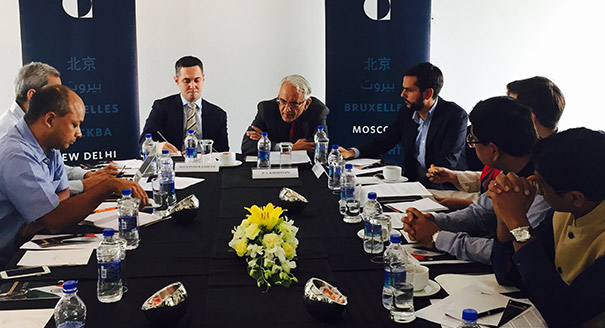
By reaching out to Asian powers, especially China, Moscow is trying to replace the West as a source of capital and investment, as well as a major market for Russian exports.

Please join a distinguished group of Arctic policy leaders and the inaugural cohort of scholars from the Fulbright Arctic Initiative to discuss pressing Arctic policy challenges.
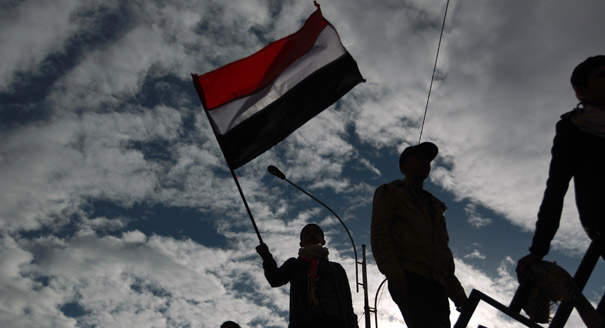
Where is the war in Yemen heading and what can outside actors do to end the conflict?

Measuring how well countries adhere to the rule of law in practice can be a first step in setting benchmarks, stimulating and guiding reforms, and deepening understanding and appreciation for its fundamental features.
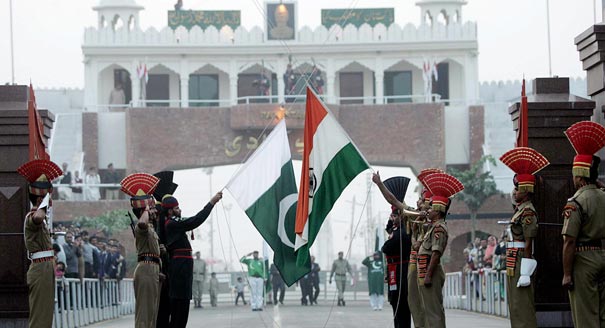
India confronts an exceptionally difficult national security problem: how to motivate Pakistan to prevent cross-border terrorism.
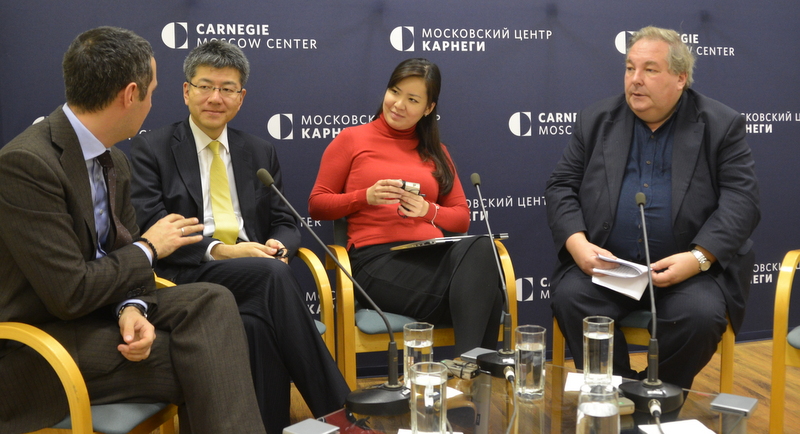
Carnegie Moscow Center hosted a discussion about the current situation in Southeast Asia and the potential of Russian-Japanese cooperation in the region. The discussion was organized jointly with the Institute of Oriental Studies of the Russian Academy of Sciences.
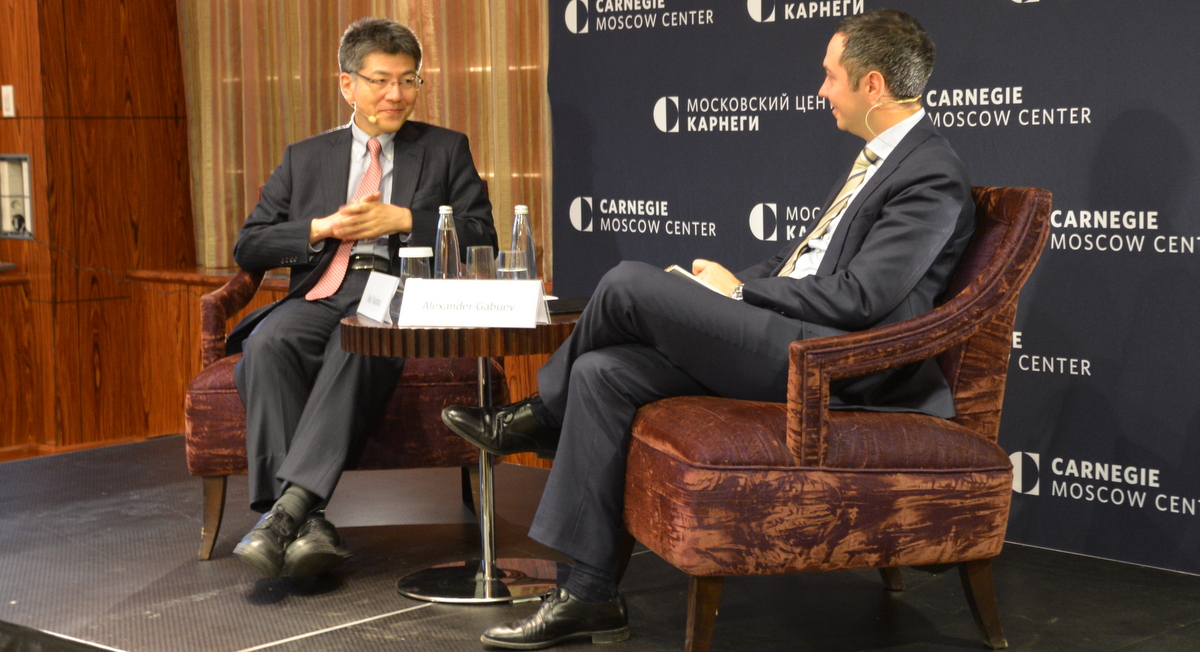
Carnegie Moscow Center hosted a discussion about key trends in the development of modern China and potential consequences of the 19th National Congress of the Communist Party of China.
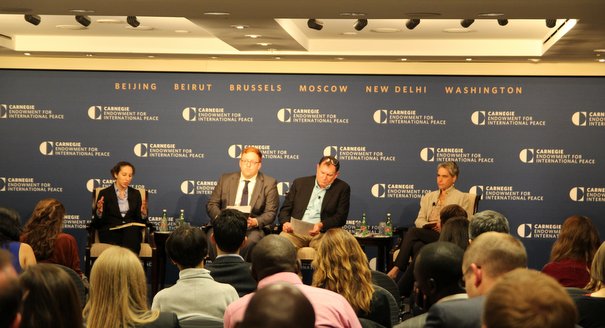
One under-recognized factor is fueling many of the world’s most violent crises—not bitter identity rifts or imperial delusions, but the simple drive to amass lucre.
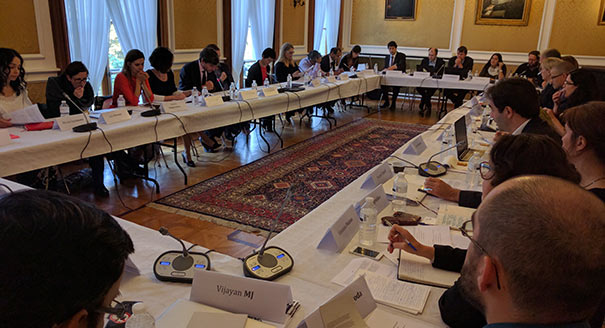
Carnegie Europe and the European Endowment for Democracy co-hosted the inaugural meeting of the Carnegie Civic Research Network in Brussels, Belgium.