Carnegie Moscow Center

Amanda Carpenter, Charlie Cook, and Jen Psaki sit down with Aaron David Miller to preview the first U.S. presidential debate and analyze how voters, candidates, and presidents think about U.S. foreign policy.
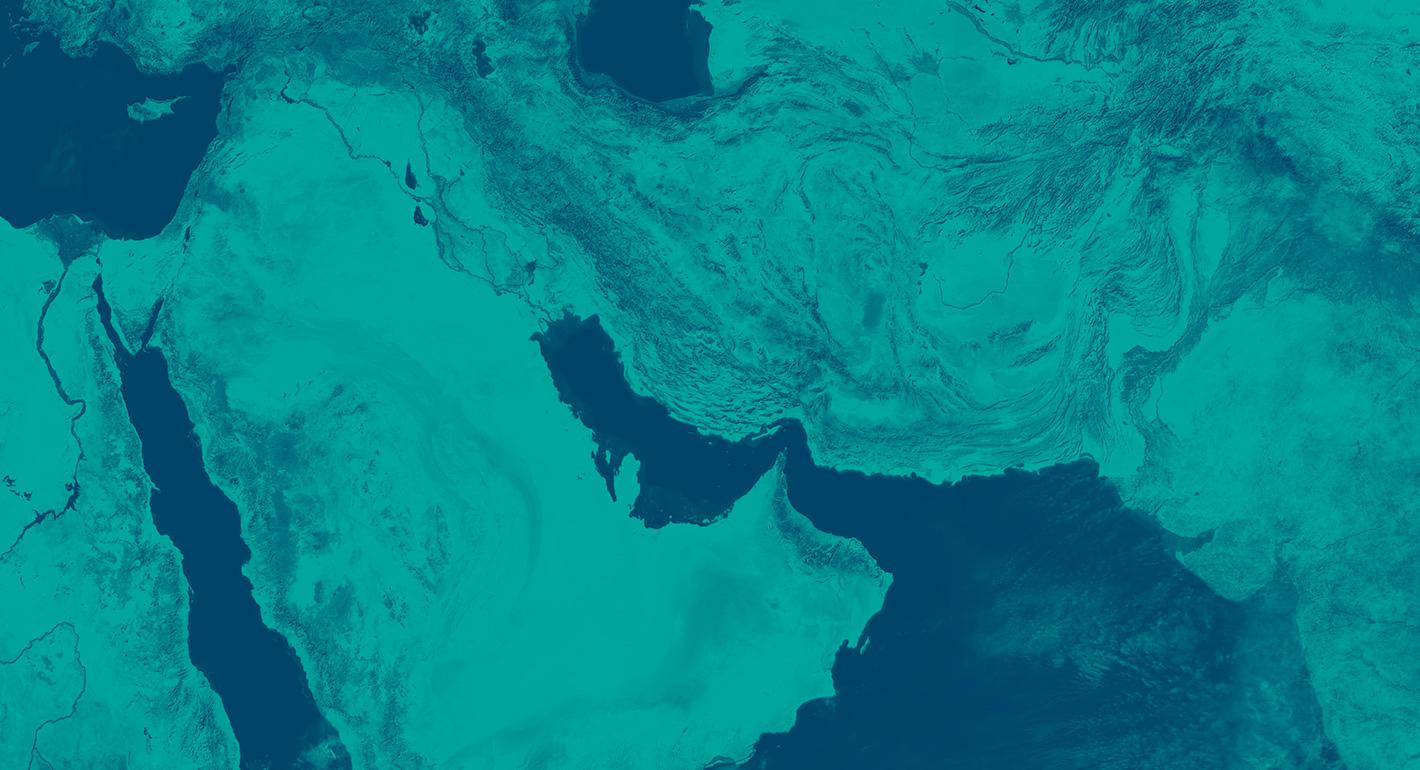
Join us for a panel discussion that will bring together former Obama and Trump administration officials alongside experts from the MENA region. Together, they will take a critical look at U.S. policies under both presidents with a view toward recommendations for the next administration.

Rising levels of political polarization are hurting democracy in many Southeast Asian countries. The coronavirus pandemic is only ratcheting up political pressures further.
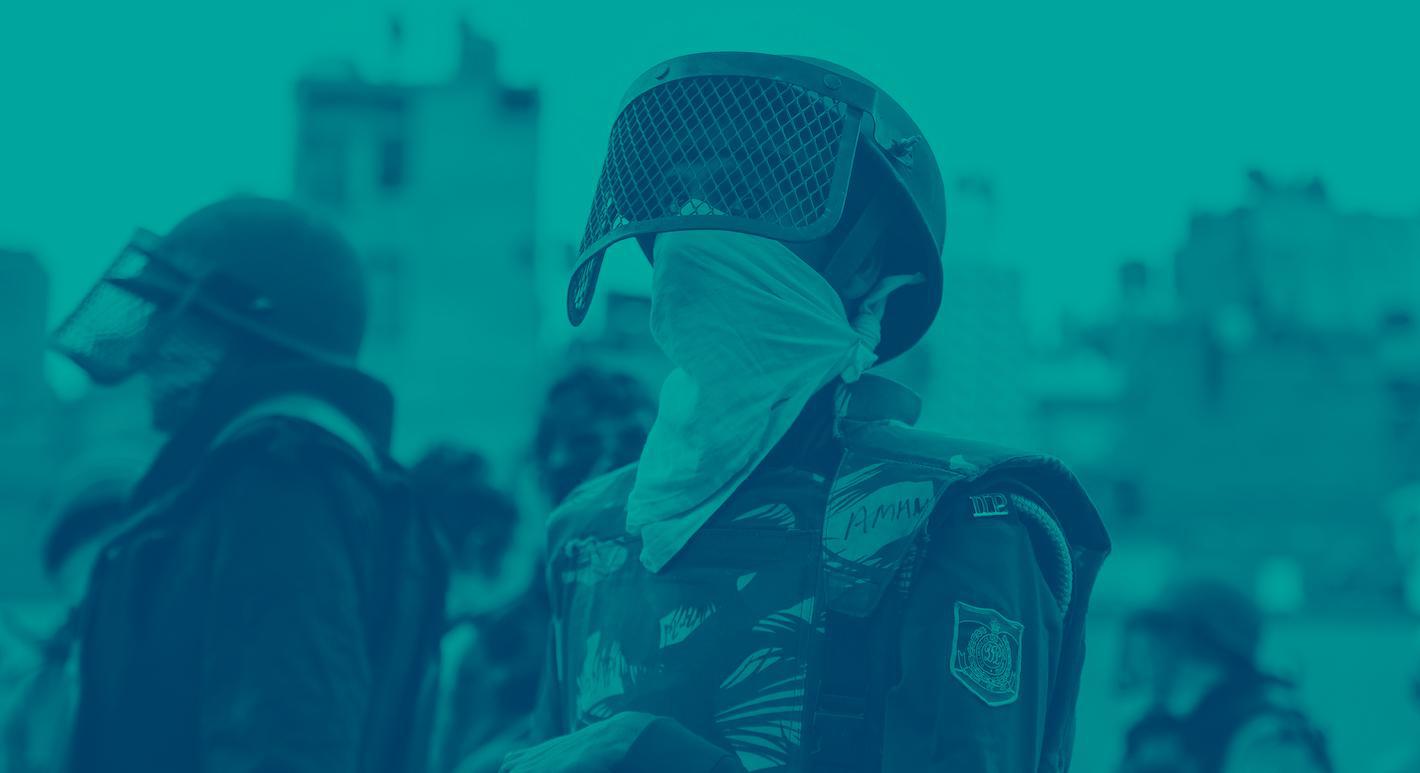
The webinar seeks to explore the incidents that catalyse reform in police culture and practices across countries, albeit with varying degrees of success. What kind of events hold the potential to be disruptive junctures, and how does the process of police reform get initiated?
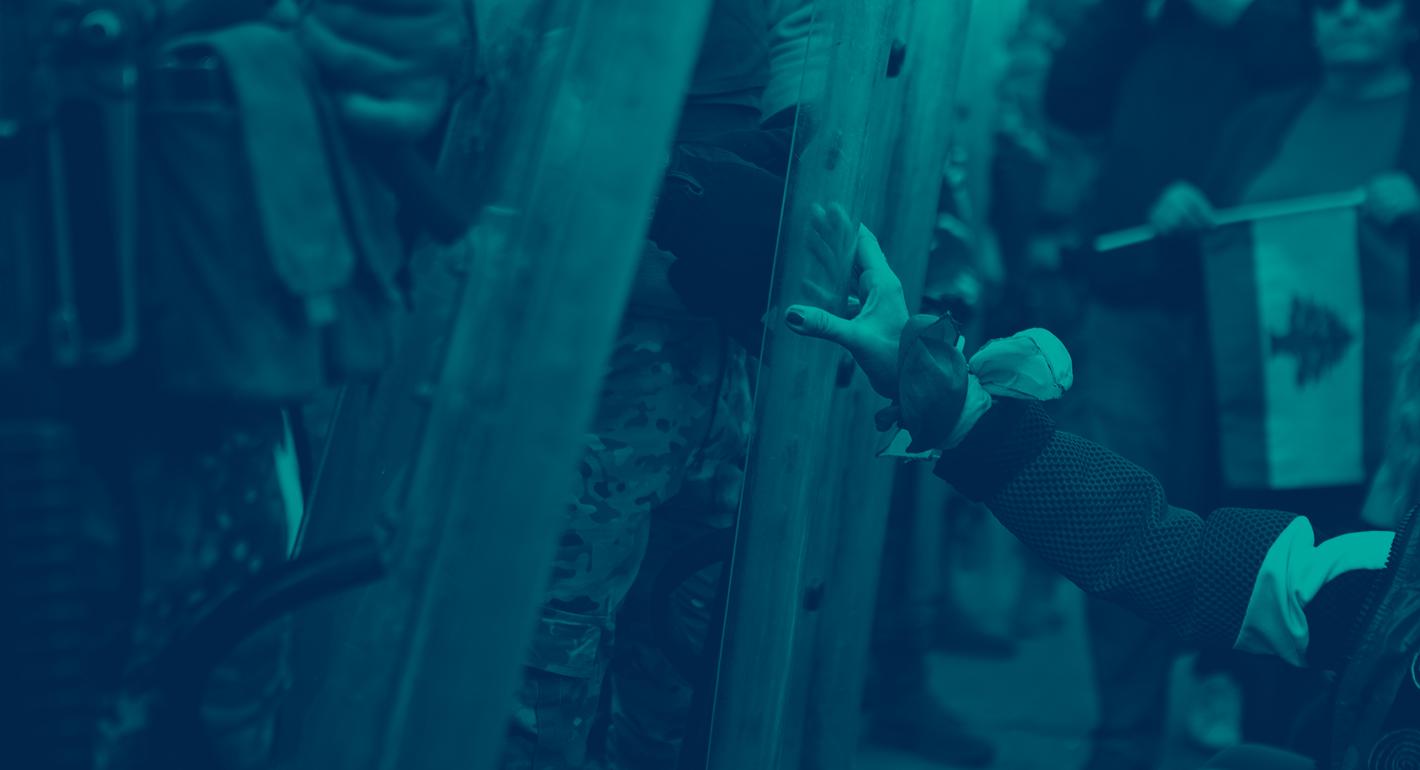
Instances of excessive and potentially lethal force by Lebanese security forces against anti-government protestors have increased in recent months, including the use of live ammunition.

The coronavirus pandemic has revived demands for a human-centric approach to security. In Europe’s east, this means strengthening healthcare systems and building more resilient societies while managing threats such as geopolitical rivalries, conflicts in areas of limited statehood, and cyber warfare.
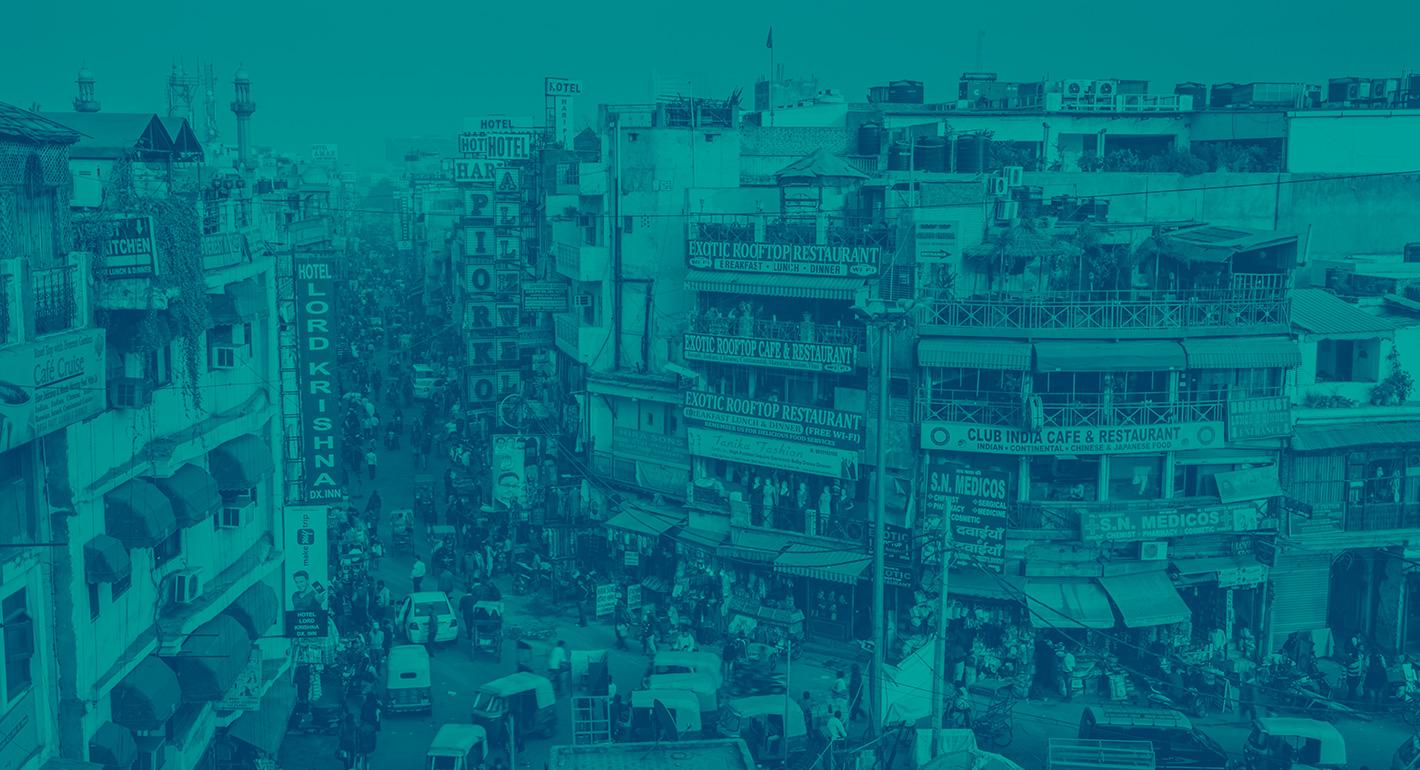
India’s insurance market for land titles is still in the early stages of development. Borrowing from the U.S. model, what can Indian insurers and officials do to keep the market flourishing and protect consumers?
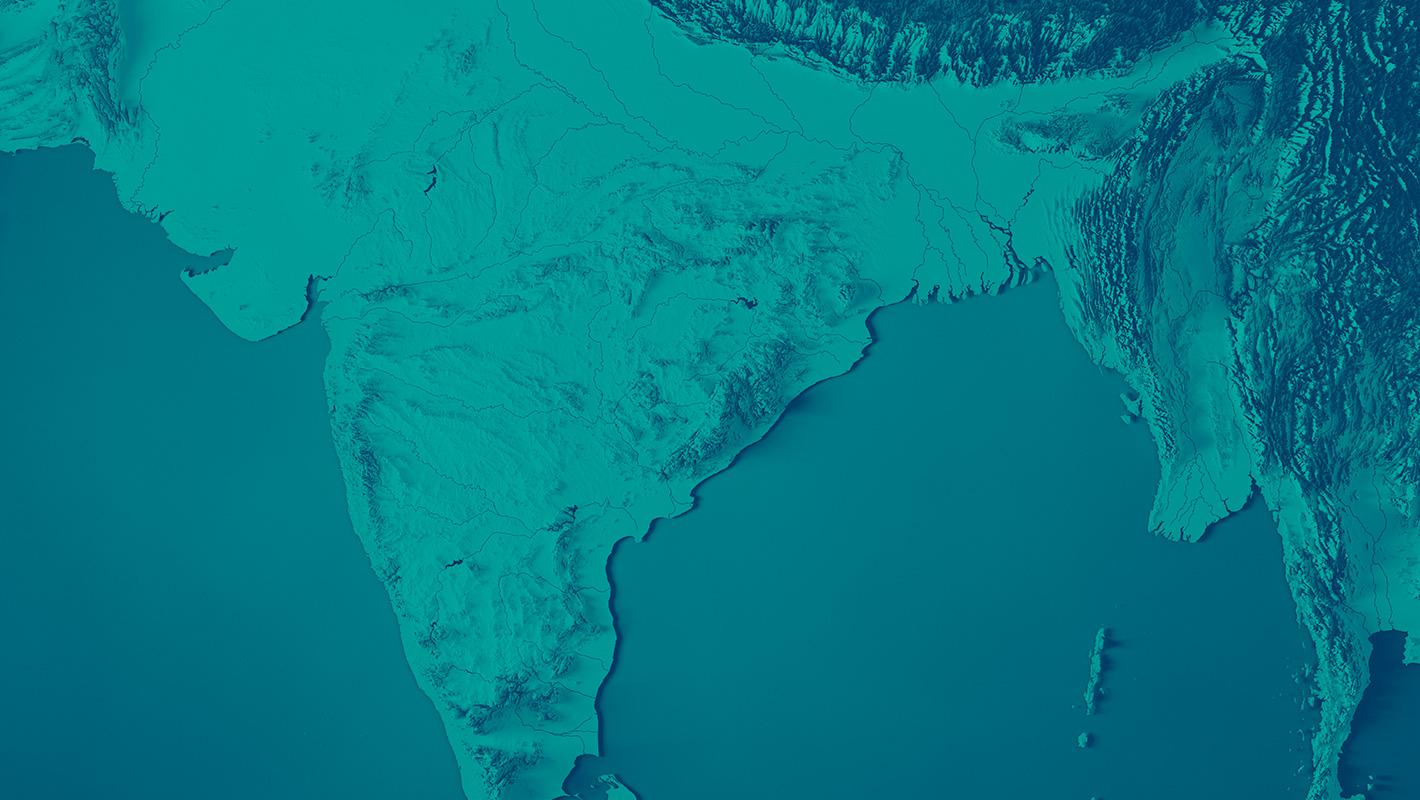
As challenges from China increasingly threaten the United States and its partners in Asia, the Indo-Pacific has emerged as a theater of great power rivalry—with India playing a leading role.
Join us for a conversation with Mira Rapp-Hooper and Rebecca Lissner as they discuss how the U.S. can revitalize its foreign policy, rewrite the global rules for a new era, and rise to the challenges of the 21st century.

Lebanon’s role as a merchant republic, based primarily on banking and services, has all but collapsed.