Carnegie Moscow Center

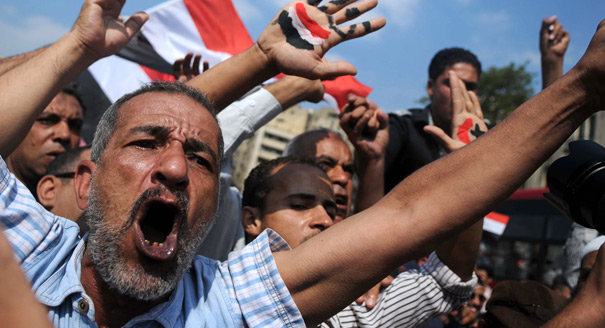
Political developments in the Arab region have led to the strengthening of ethnic, religious, or racial identities at the expense of citizenship, and in some countries to armed confrontation. Is a state built on the principle of citizenship still possible?
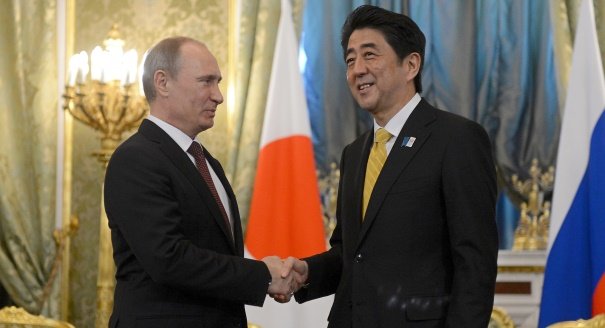
Japan-Russia relations have received a flurry of attention in both countries’ capitals since 2013. More recently, however, the process has stalled amid an intractable territorial dispute and other tensions.
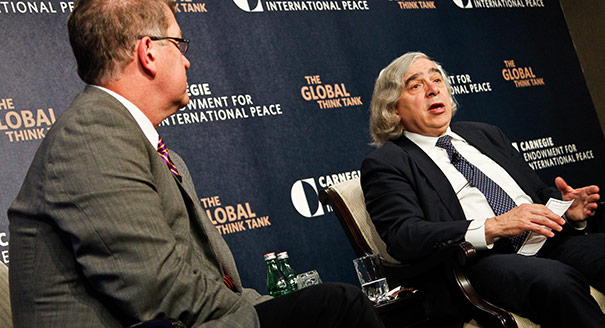
Secretary Moniz presented a major update on the state of clean energy technologies in the U.S. and the Department of Energy’s role in advancing research and development for innovative energy technologies.
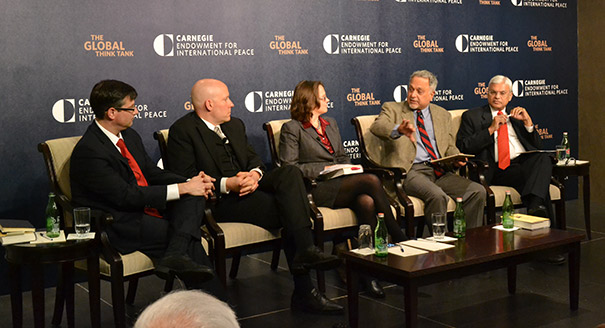
What are the deficits in India’s military capabilities and in the ‘software’ related to hard power, and how have these shortfalls prevented the country from achieving great-power status?
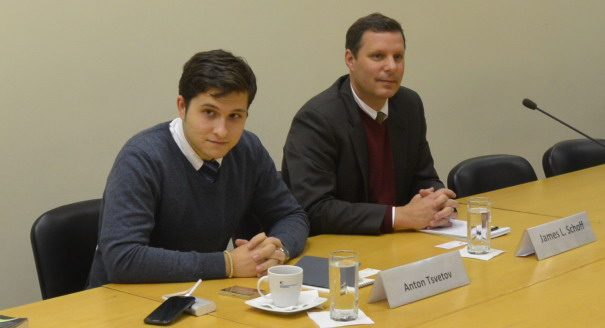
A very firm friendship between the United States and Japan will become stronger in the new regional context.
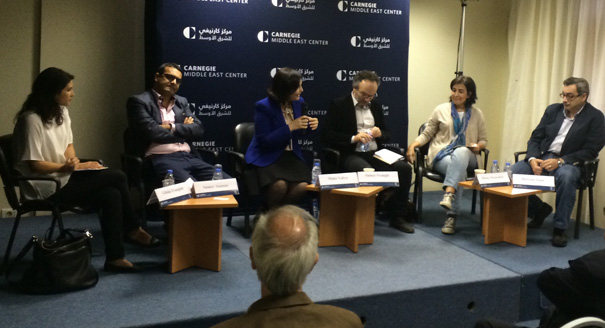
This summer’s ‘You Stink’ demonstrations in Lebanon began as a response to the garbage crisis that was overwhelming the country.
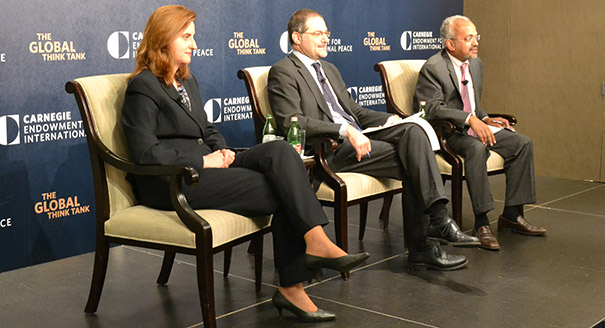
The Arab uprisings in Tunisia, Egypt, Yemen, Libya, and Syria over the past five years represent a conundrum. Standard development indicators failed to capture or predict the outburst of popular anger during the so-called Arab Spring of 2011.
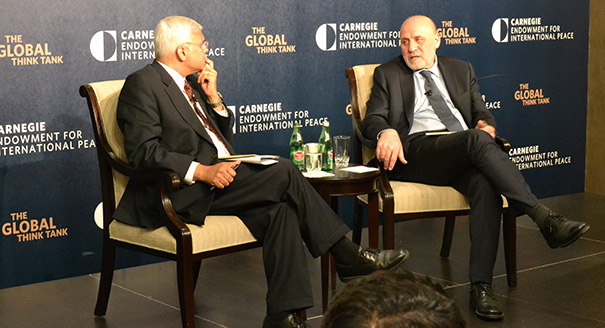
Although President Barack Obama has extended U.S. military presence in Afghanistan, stability in the conflict-torn nation is elusive and close to one and a half decades of Afghan and international investment are at risk.
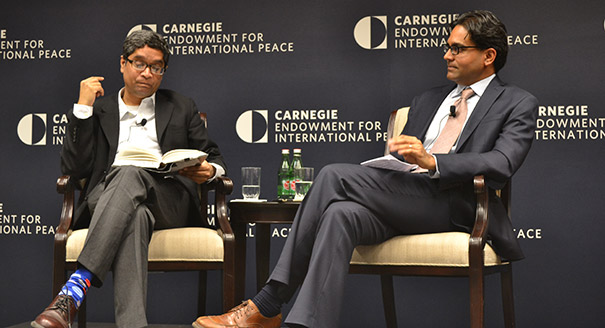
Contrary to the received wisdom, Pakistan was not simply a vague idea that serendipitously emerged as a nation-state, but was broadly conceived as a sovereign Islamic state—a new Medina.
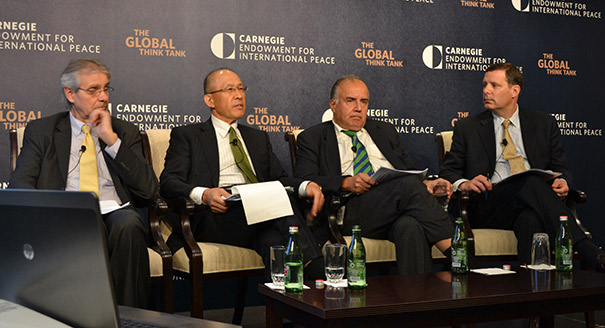
Seventy years after World War II, Southeast Asia stands at a crossroads amid multilateral trade negotiations, economic integration initiatives, political turmoil, and the establishment of new development institutions and regional governance frameworks.