Carnegie Moscow Center

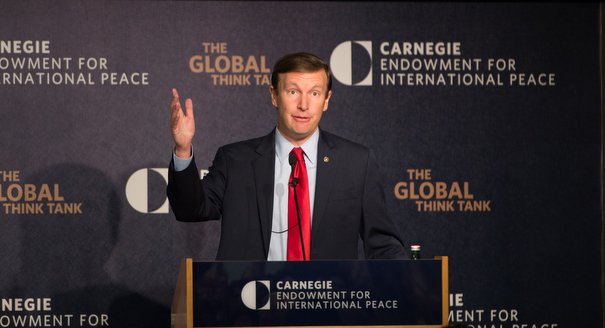
U.S. Senator Chris Murphy (D-CT) will offer his assessment of the Iran nuclear deal, and the long-term implications of an agreement for America's role in a changing Middle East.
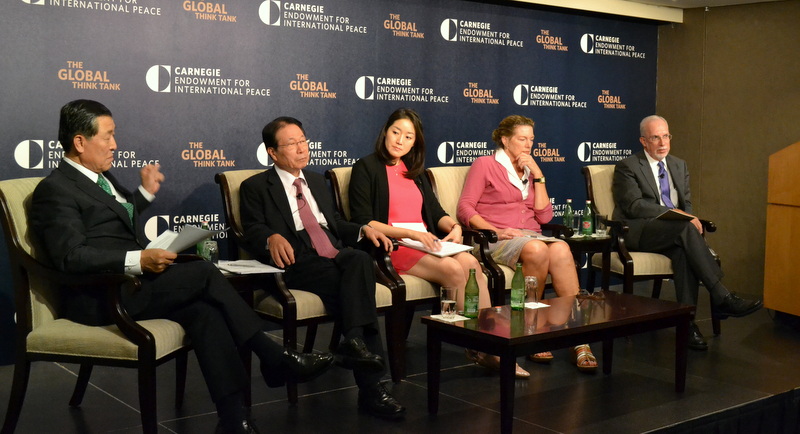
The U.S.-ROK relationship has evolved from a strategic alliance designed to deter aggression from North Korea into a “comprehensive strategic alliance,” expanding well beyond the security realm. But this broader vision of the alliance is still in development.
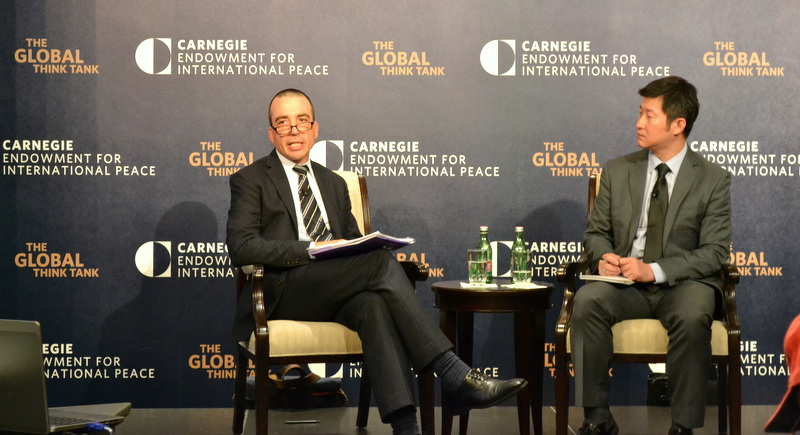
Petroleum coke (petcoke), a by-product of petroleum refining that is high in contaminants, has quietly emerged in China as an inexpensive but very dirty alternative to coal.
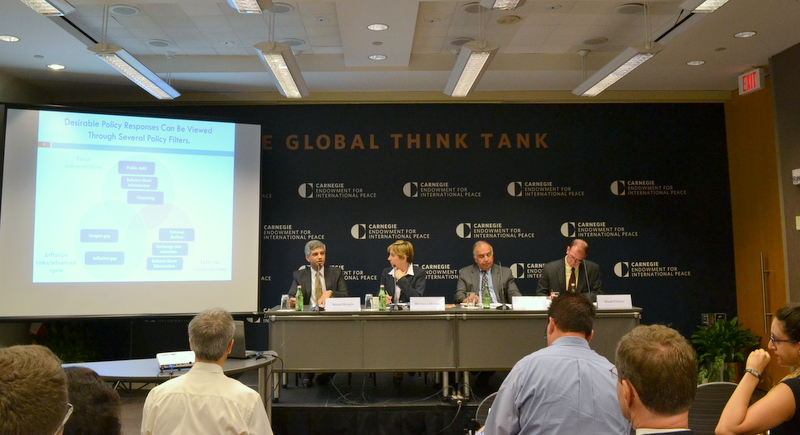
The sharp drop in oil prices is one of the most important global economic developments over the past year. While oil’s long term price outlook remains highly uncertain, a substantial part of its decline is expected to persist into the medium term
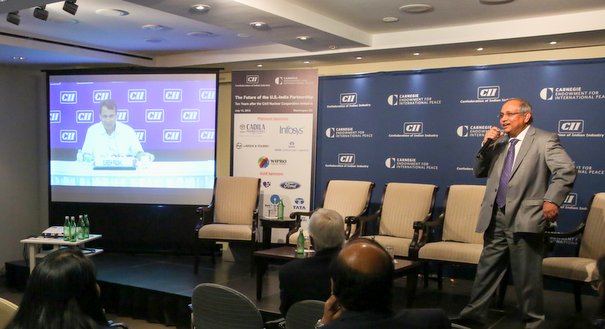
Shri Suresh Prabhakar Prabhu, India’s Union Minister of Railways, spoke about the future of U.S.-India relations.
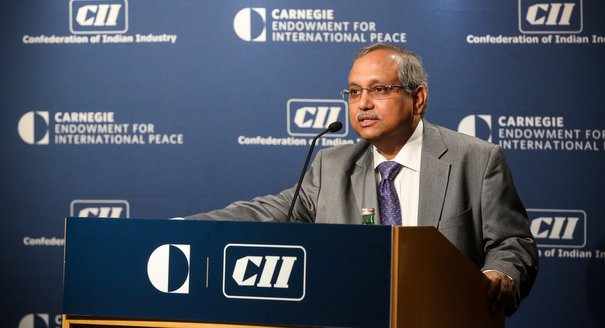
The opening to the day-long conference on the future of U.S.-India relations.
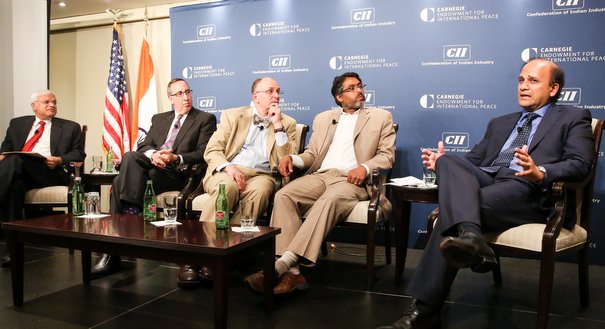
Both the United States and India have immense strategic interests in the Indo-Pacific and in Asia more broadly, and the U.S.-India security and defense partnership will be valuable in achieving both their national and mutual goals.
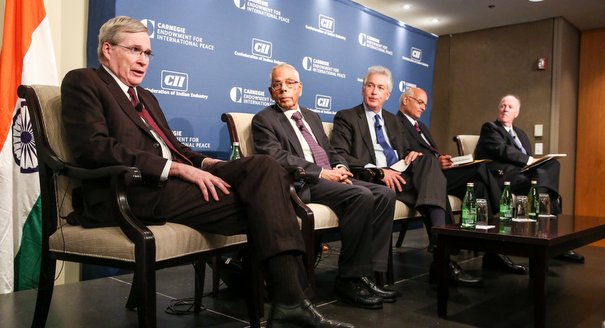
Four former national security advisers from India and the United States reflected on broad international challenges and the U.S.-India partnership.
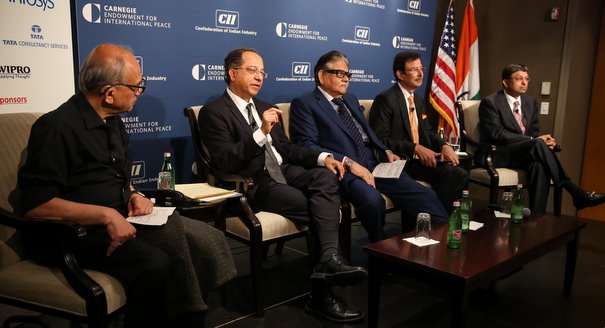
India currently faces a number of economic obstacles, from improving the ease of doing business to attracting foreign investment.
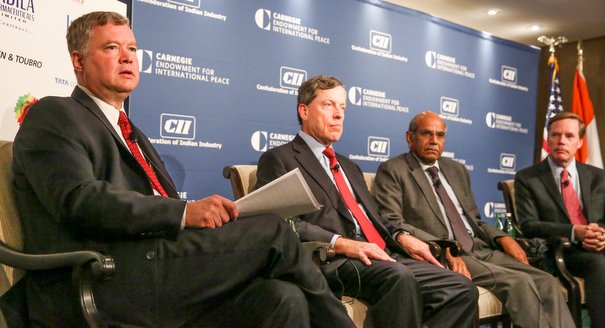
The story of how the Civil Nuclear Cooperation Initiative came about and what lessons can be drawn from it for future diplomatic efforts.