Carnegie Moscow Center

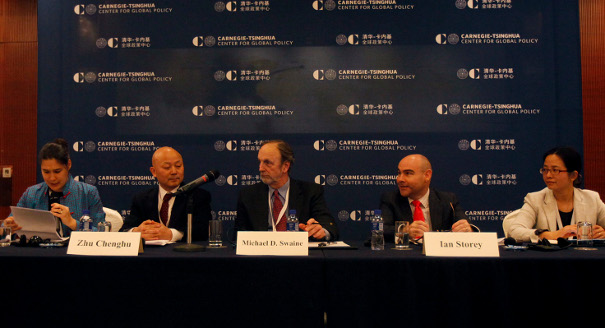
China’s influence in East Asian security has grown with its economic rise. However, in order to resolve maritime territorial disputes in the East and South China Seas, China will have to work constructively alongside regional powers to find mutually beneficial multilateral solutions.
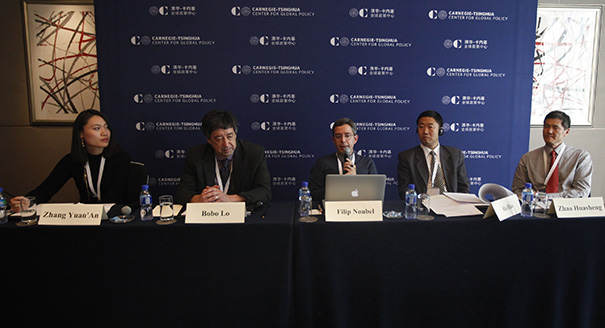
In September 2013, Chinese President Xi Jinping conducted his first tour of Central Asia, visiting Turkmenistan, Uzbekistan, Kazakhstan, and Kyrgyzstan.
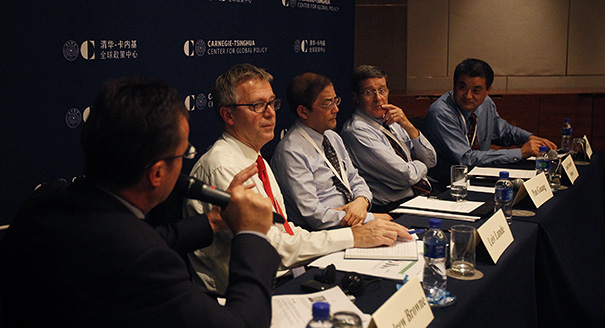
China is becoming increasingly dependent on oil imports from the Middle East, while the United States is becoming increasingly energy independent due to a surge in domestic energy production and falling energy consumption.
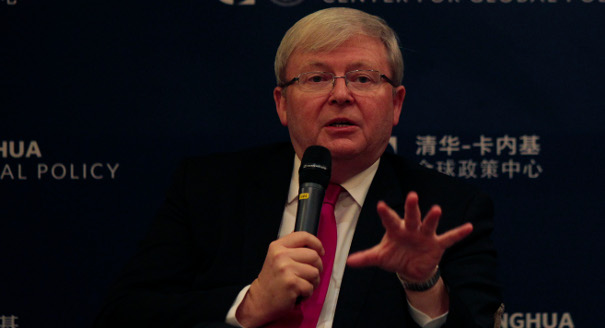
As the bilateral relationship between the United States and China grows increasingly global in nature, the two nations' leaders have acknowledged the need to create a new, more constructive bilateral framework.
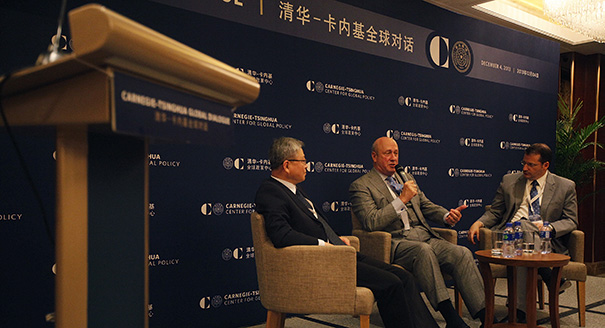
This day-long conference explored China's evolving foreign policy and global role with a view to identifying effective solutions to shared global challenges.
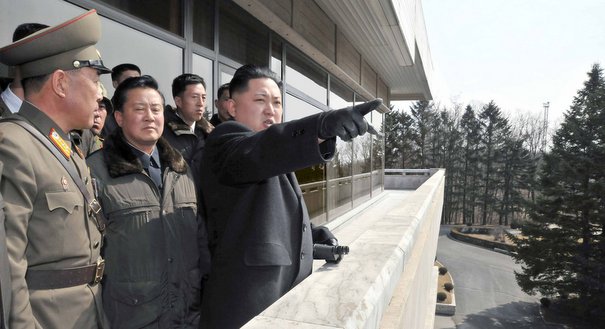
North Korea seems to have adopted a new approach to nuclear diplomacy. In contrast to its threatening rhetoric and nuclear test earlier this year, Kim’s policy is increasingly characterized by alternating hard and soft edges and inconsistent decisionmaking.
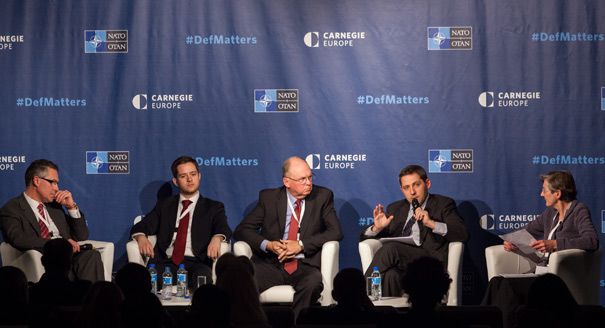
NATO and its allies need to define a new narrative to convince citizens that defense still matters.
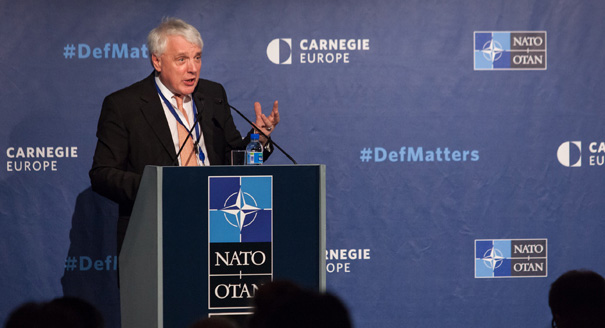
There is no clear vision about where NATO is heading. Armed forces increasingly have to do their own public diplomacy.
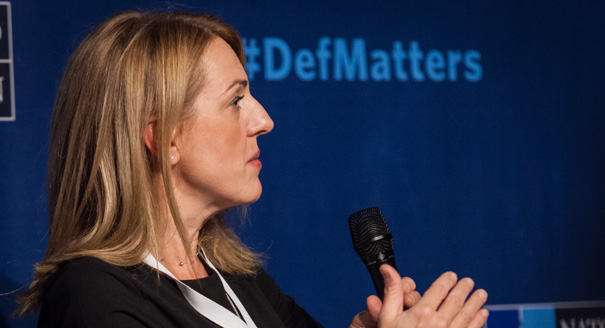
NATO and Europe are facing the challenge of convincing an increasingly skeptical public of the value of defense in times of crisis.
The existing debate on defense in Europe focuses on spending cuts in times of crisis. Defense cannot just be about budgets, but also means safeguarding certain values and norms.