Carnegie Moscow Center

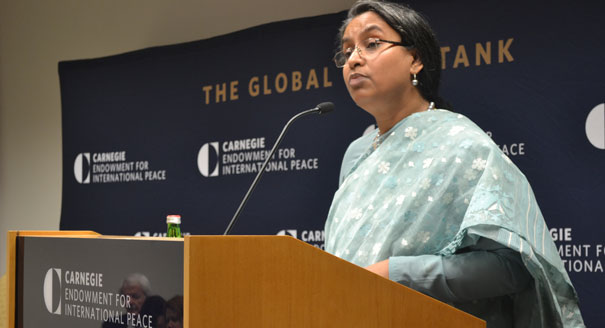
As Bangladesh prepares to elect representatives to its tenth parliament, the country is at a crossroads.

Marwan Muasher and Andrew S. Weiss will respond to questions on the situation in Syria, the likely implications of a U.S.-led attack, and what to expect in terms of Putin-Obama dynamics at the G20 meeting.
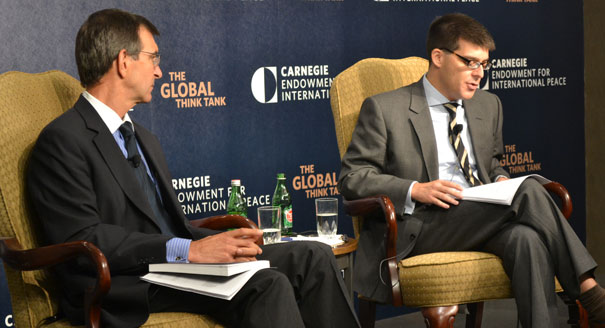
The long-held U.S. goal of striking distant targets with non-nuclear weapons in just minutes has always been controversial. In the current fiscal environment, however, an impending decision to acquire Conventional Prompt Global Strike (CPGS) weapons will be especially hotly debated.
The training centered on studying the media environment in the Middle East and how it works including how scholars can work with the media to spread their analysis to a wider audience.
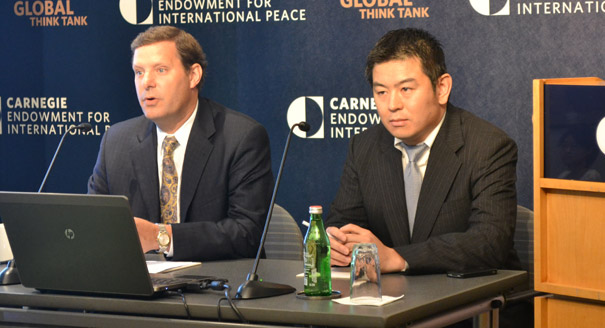
The upcoming House of Councillors elections will hold significant consequences for the shape of reform and legislation in Japan.
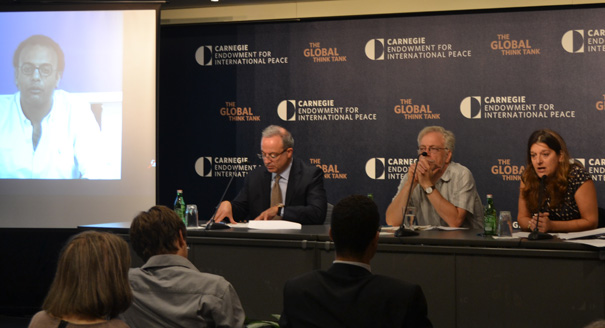
In the wake of the June 30 popular uprising and the ouster of President Mohamed Morsi, a new political order is taking shape in Egypt.
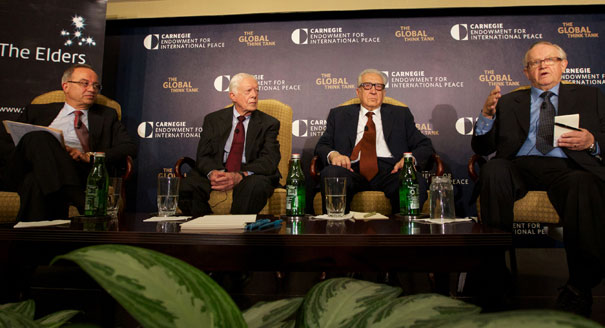
The Elders, a group of independent leaders founded by Nelson Mandela, discussed the Israeli-Palestinian conflict.
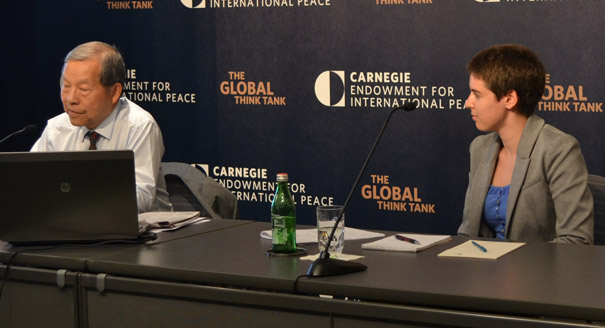
Lessons from other successful developing countries suggest that China’s path to growth may involve continued imbalances and require policy reforms that are often misunderstood.
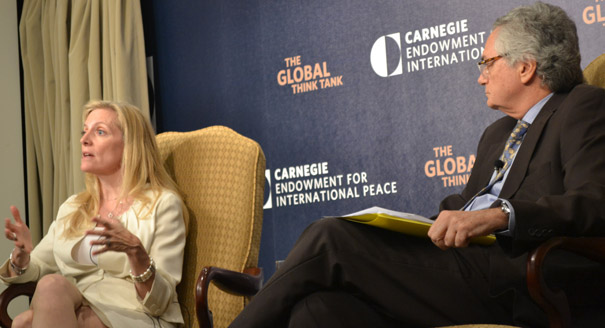
Under Secretary for International Affairs Lael Brainard previewed the upcoming meeting of G20 finance ministers and central bank governors in Russia. Brainard also discussed the U.S.-China Strategic and Economic Dialogue.
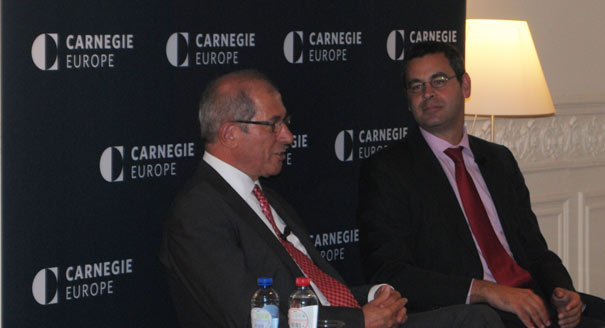
Has it become morally acceptable to allow the use of chemical weapons? How effective and sincere is the international community’s implementation of the Chemical Weapons Convention?