Carnegie Moscow Center

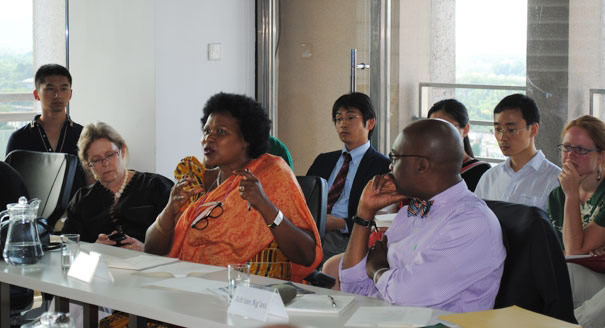
Despite ongoing global financial woes, China and countries in the Organization for Economic Co-operation and Development (OECD) continue to provide significant amounts of aid to developing countries.
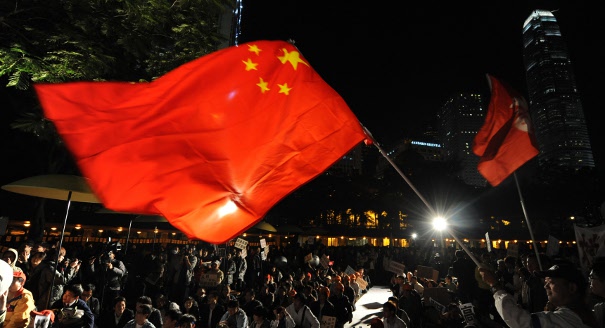
Traditional Chinese core values, especially the notion of harmony, have a strong influence on China’s foreign policy.
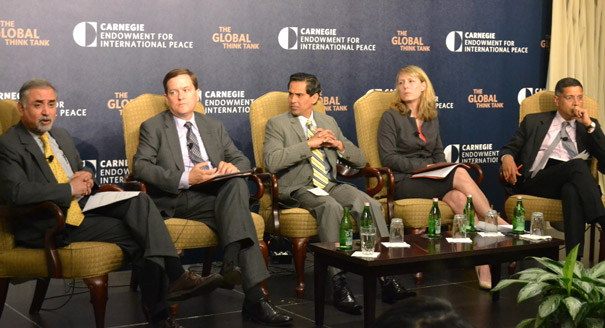
Southeast Asian countries are involved in negotiations for two very different trade agreements: the Trans-Pacific Partnership (TPP) and the Regional Comprehensive Economic Partnership (RCEP). How do they differ and which one is best for Southeast Asia?
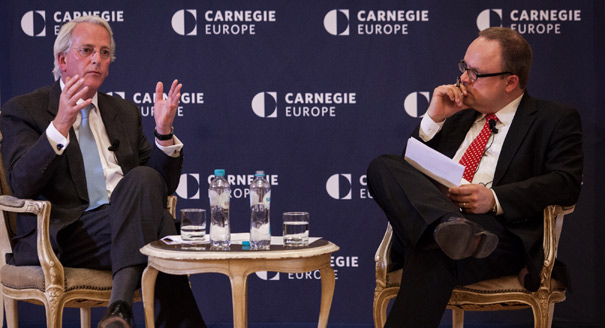
Marking the end of his tenure as U.S. Permanent Representative to NATO, Ambassador Ivo H. Daalder discussed some of the key challenges facing the Alliance.
The second meeting took place in Lebanon and concentrated on several key themes which could be used to frame future research by the participants of the initiative.

It remains to be seen whether the Gulf States will be able to stave off a Gulf Spring in the face of the politicization of previously dormant groups, growing economic challenges, and increasingly open media.
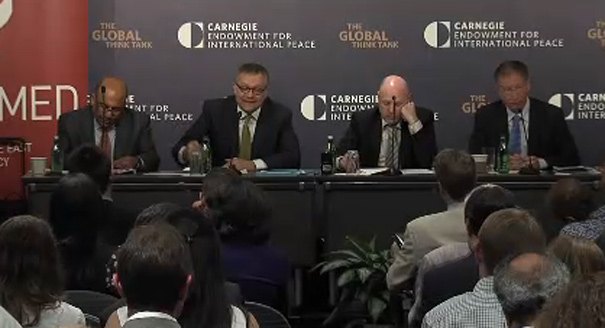
The seismic political transitions brought on by the Arab Spring has introduced new difficulties facing the Gulf monarchies’ ruling families, their political systems, and the political culture of a changing Gulf society.
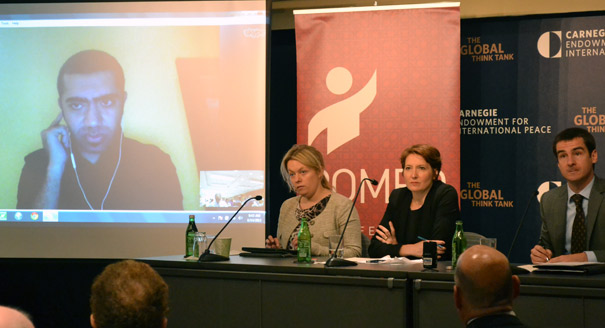
Despite widespread assumptions that the Gulf is an island of stability in the Arab world, the new Gulf is in fact dynamic and is seeing a sea change in informal politics and methods of activism.
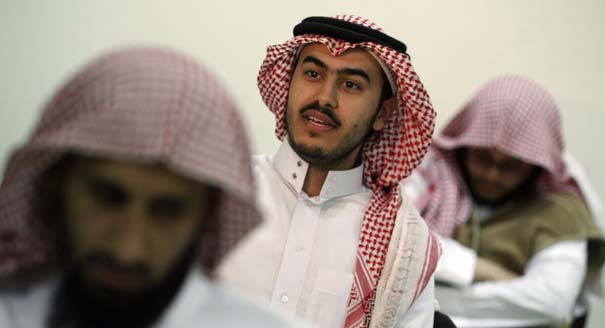
Scholars, analysts, and activists from across the Middle East, Europe, and the United States will examine the forces at work in the Gulf.
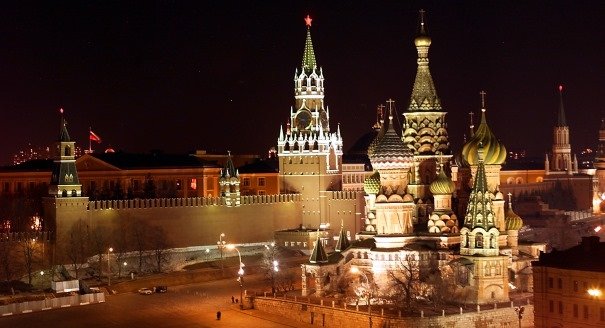
Dmitri Trenin participated in a live Twitter Q&A on the upcoming G8 summit, the meeting between Presidents Putin and Obama, and the future of U.S.-Russia relations.