Carnegie Moscow Center

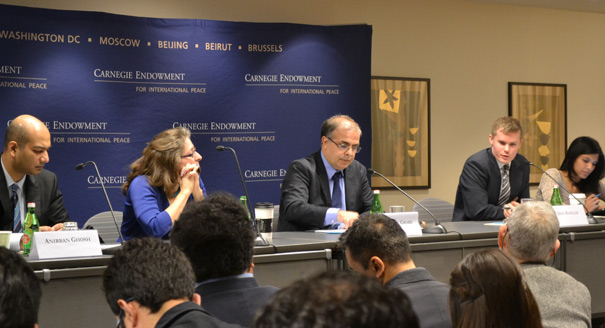
Lashkar-e-Taiba (LeT), a Pakistani terrorist organization best known for the high-profile November 2008 attack in Mumbai, has established itself as one of the most feared groups in the region.
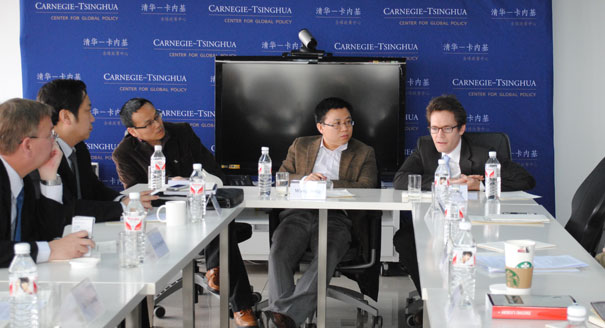
China is reassessing its policy calculus toward the Korean Peninsula.
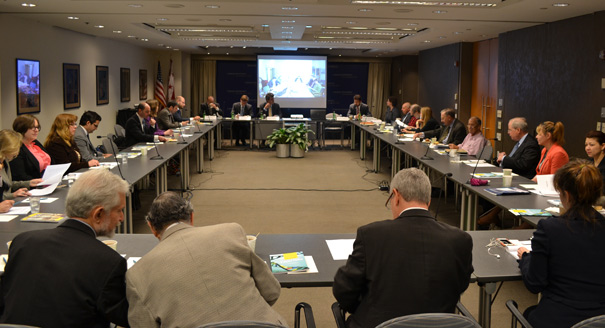
U.S.-Russian public health cooperation has led to extraordinary achievements, from the development and production of the Sabin polio vaccine to the eradication of smallpox. But the full potential of this collaboration has not yet been achieved.
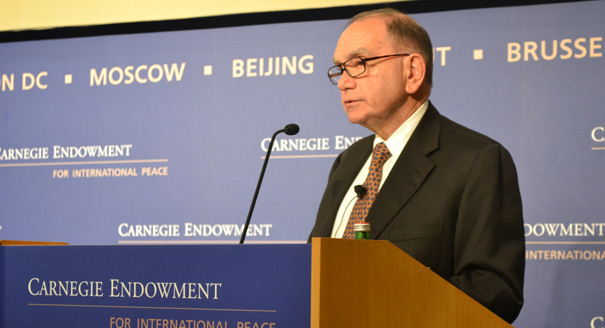
Join Ambassador Edward P. Djerejian and Carnegie Vice President Marwan Muasher for a discussion of the prospects for peace in the Middle East.
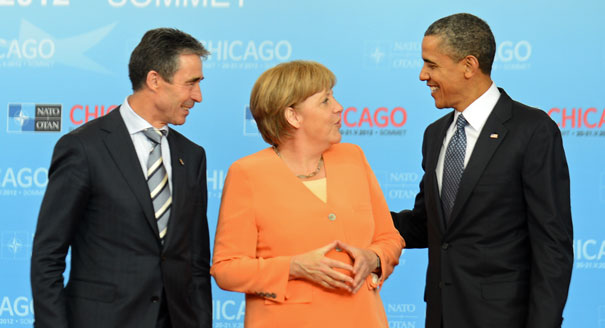
As NATO decreases its involvement in Afghanistan and Libya and Washington shifts its attention to Asia, the future of U.S.-European transatlantic security has become a matter of debate amongst policymakers.
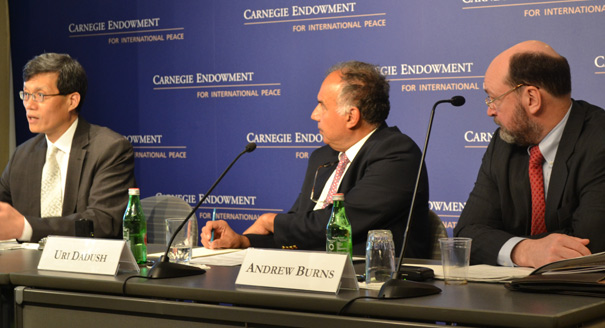
The Asia and the Pacific region continues to be the global growth leader even as it faces significant development challenges and downside risks.
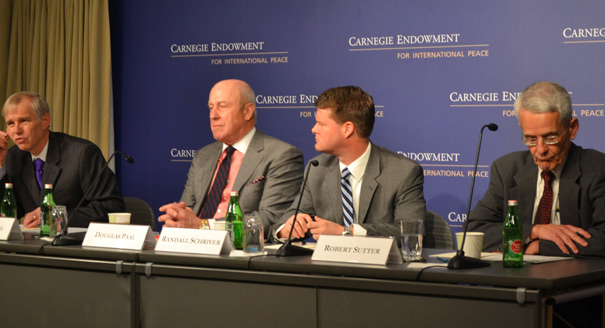
As Taiwan peacefully manages its differences with mainland China, it seeks dignity within the international system and believes it can play a positive role supporting its close unofficial relationship with the United States.
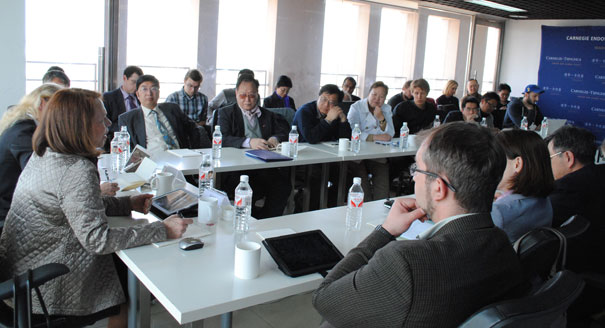
As possessors of nuclear weapons and proponents of nuclear energy, China, Russia, and the United States cooperate in bilateral and multilateral forums to ensure nuclear safety and security. Yet their different patterns of engagement on arms control continue to impact their current cooperation.
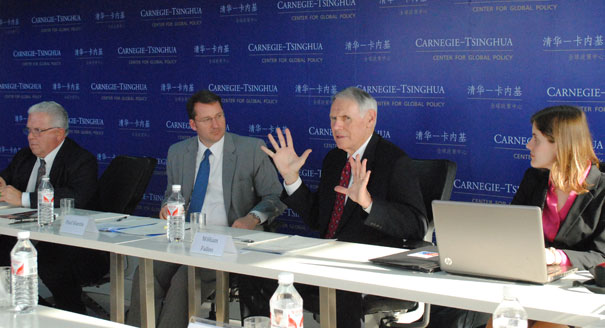
Chinese President Xi Jinping has been calling for a new type of great-power relationship with the United States to pave the way for China’s smooth ascendance into the changing global order.
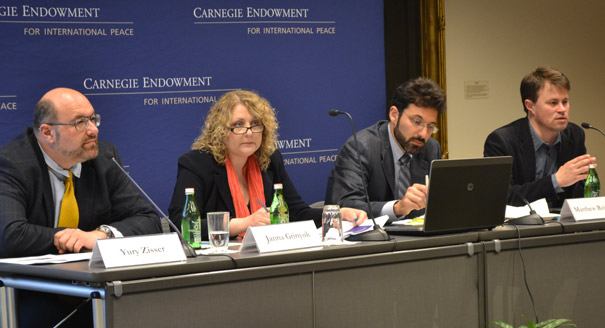
Despite limited international engagement with Belarus, the situation in the country continues to evolve.