Carnegie Moscow Center

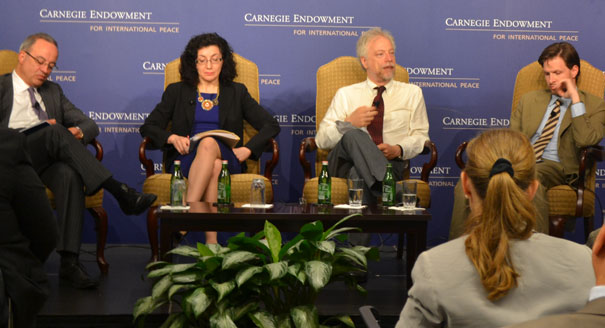
The Muslim Brotherhood, Salafis, and a host of state institutions dedicated to Islam are being reshaped profoundly by their growing involvement in politics, often in ways that are difficult to predict and even more difficult for their leaders to control.
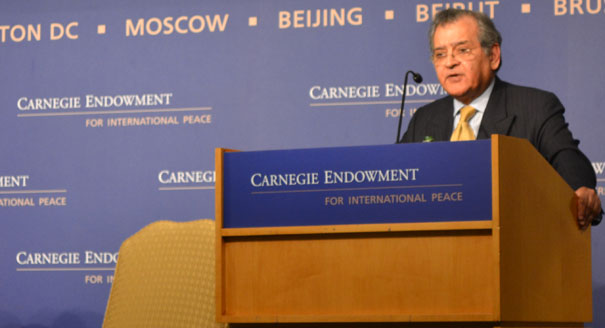
The rise of India and China holds profound implications for Bangladesh’s economy, politics, and foreign policy.
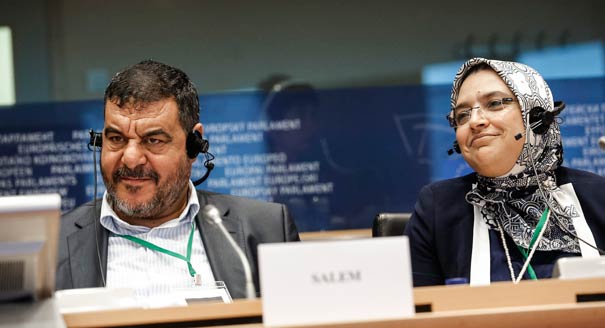
The challenge of dealing with the political transition, coupled with deteriorating economic conditions, puts transitions to democracy and economic stability at risk.
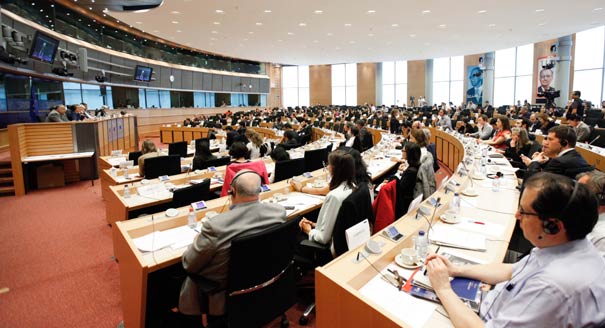
Youth, as the vanguards of the Arab Spring uprisings, raise the need for a new definition of citizenship that provides a clear framework in which the government and its people can interact.
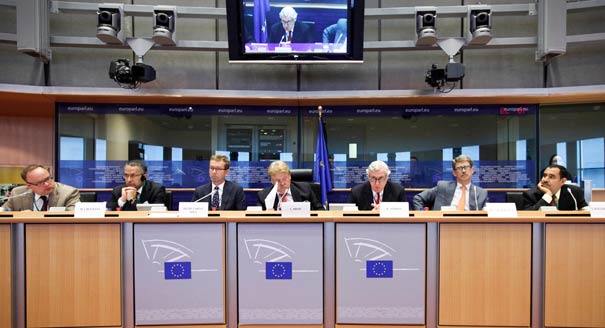
In the wake of the wave of change that swept the Arab region, voters in Egypt, Tunisia, and Morocco have chosen Islamist political parties to lead their governments.
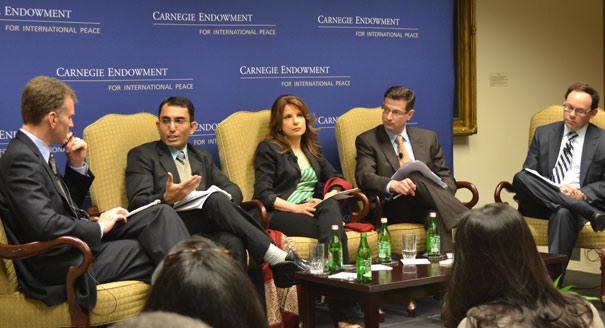
On May 11, 2013, for the first time in Pakistan’s history, the country will hold general elections after a legislature has completed its term.
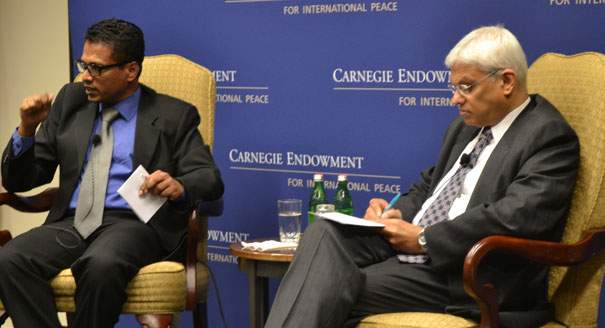
In the past two decades, India has witnessed momentous simultaneous transitions in the economic, societal, and political domains. The intensity and pace of the changes occurring in India is fueling expectations and is already resulting in disappointments, both in India and globally, in terms of the role India will play in the world.
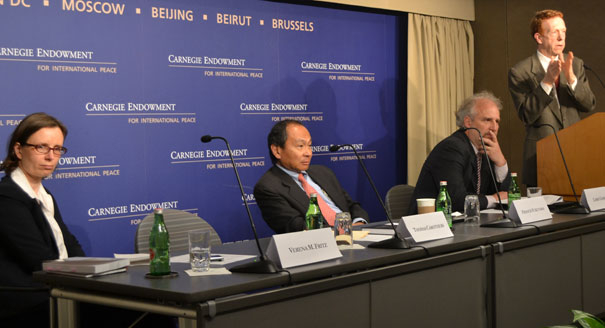
A new lens on development is changing the world of international aid.
The Nuclear Security Summits in Washington in 2010 and Seoul in 2012 began the process of international engagement on the challenge of securing existing fissile material vulnerable to theft and diversion by non-state or terrorist groups.

Over the next decade, the United States, China, and India will form a critical strategic triangle while the individual relationships of these three nations with ASEAN, Iran, and Pakistan will have significant regional and global implications.