Carnegie Moscow Center

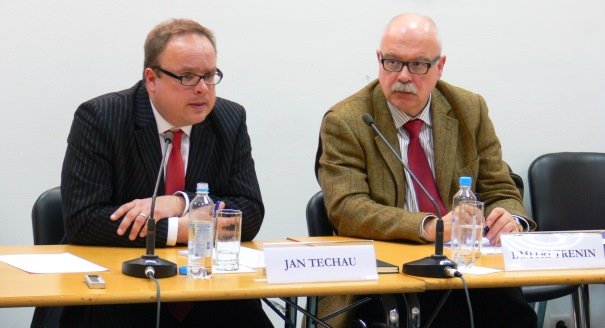
The latest developments connected to the financial crisis in the EU have only further underlined the need for a leader within the European community. Many believe that Germany is the one who should take up this mantle. To do so, however, Germans have to come to terms with their difficult history.
Changes in the U.S. role in the Middle East, coupled with China's growing energy needs, may spur China's further integration into the global energy market.
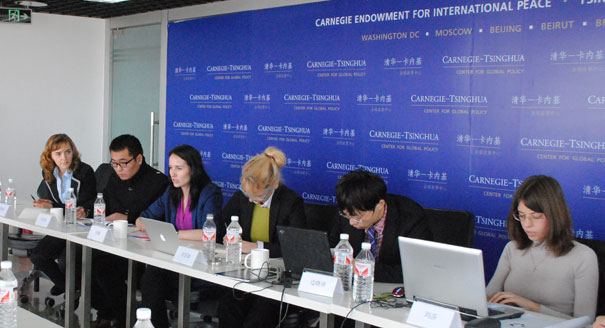
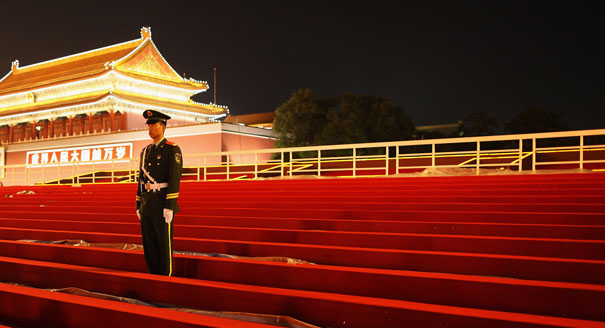
Chinese Chairman Xi Jinping’s decision to make Russia his first state visit suggests Beijing’s renewed prioritization and reinvigoration of its relations with Moscow.
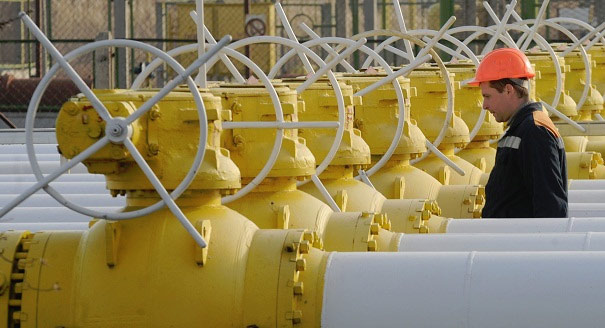
Residential housing is the second-largest energy consumer in Ukraine after heavy industry. It accounts for 30 percent of the country’s total energy needs. The sector’s energy inefficiency is viewed as a critical factor in Ukraine’s dependence on Russian gas.
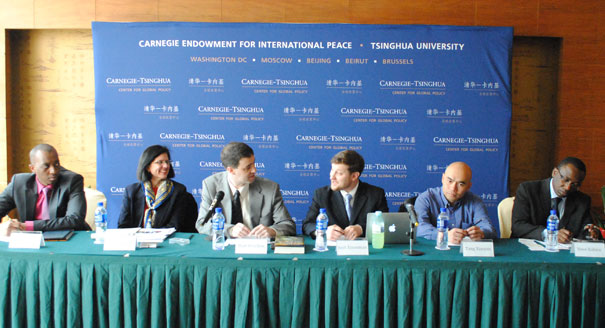
Africa remains both a challenge and opportunity for both China and the United States. China’s surge in trade and investment in Africa has left critical questions for U.S., African, and Chinese policies.

Seventy percent of the oil America uses each year is consumed by transportation. Any effective strategy to meet U.S. and global climate protection goals therefore requires that oil consumption in the transport sector be significantly reduced.
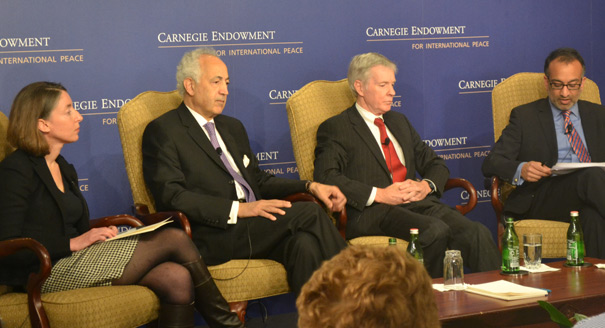
Ten years after the U.S. invasion of Iraq and fifteen months after the departure of U.S. combat troops, the outlook for Iraqi stability, security and democracy remains deeply uncertain.
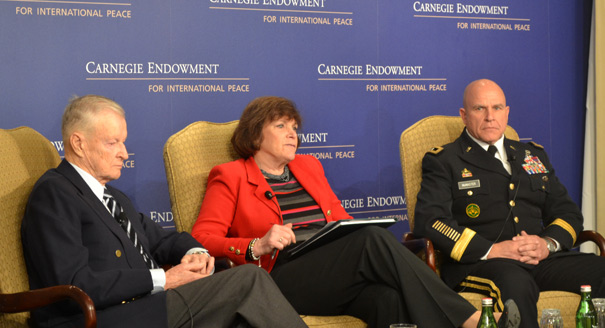
From a loss of American credibility in the international community to continued instability and sectarian violence in Iraq, the geopolitical consequences of the Iraq War are still reverberating across the Middle East and beyond.
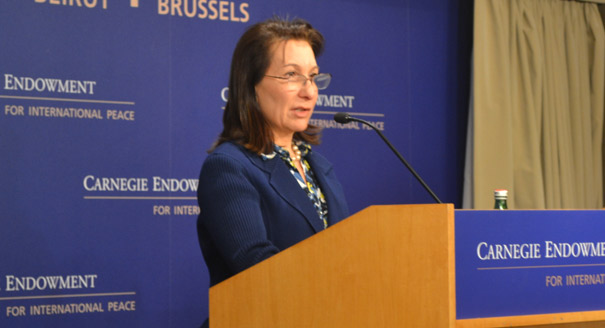
The staggering financial costs of the Iraq war continue to rise even a decade later.
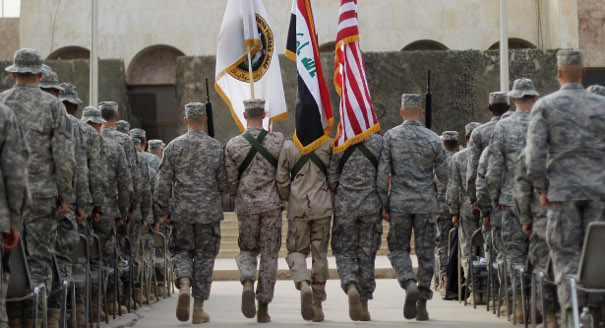
Ten years after the invasion of Iraq, it is important to examine Iraq’s trajectory today, the war’s cost, and the geopolitical lessons learned.