Carnegie Moscow Center

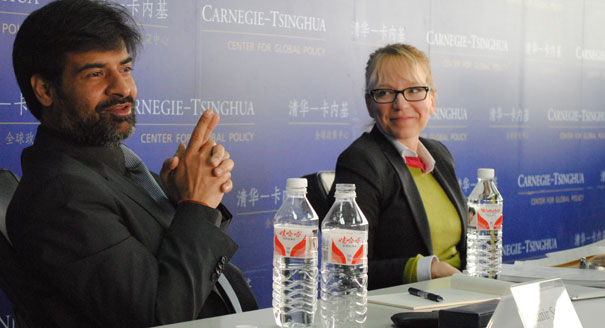
Faced with the limitations of economic relations without political integration, Asian states have begun to reevaluate their prior relations and coalition structures to meet the demands imposed by U.S. rebalancing within Asia.
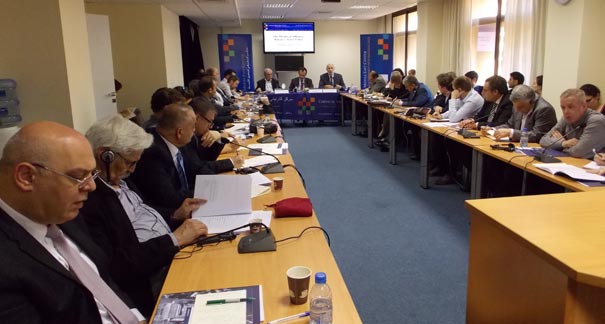
Deadlock at the UN Security Council has so far dashed international hopes for finding an end to the Syrian crisis. The United States and Russia must now find a practical mechanism for implementing political transition in Syria.
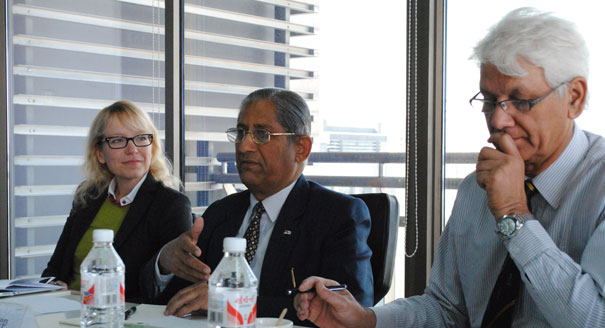
In the wake of the U.S. rebalancing toward Asia, the obligation to protect trading ventures and shipping routes throughout the Indo-Pacific region increasingly falls on the shoulders of other actors, such as China and India.
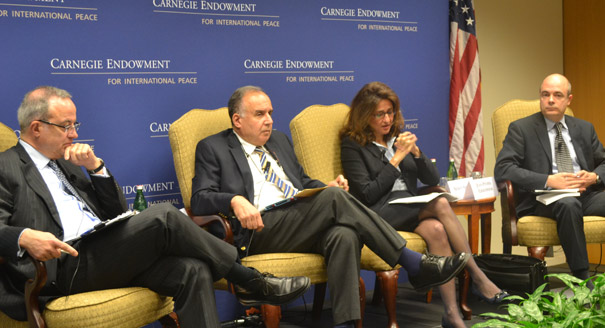
Two years after the democratic revolutions in several Arab countries, the economic situation in the region remains precarious.
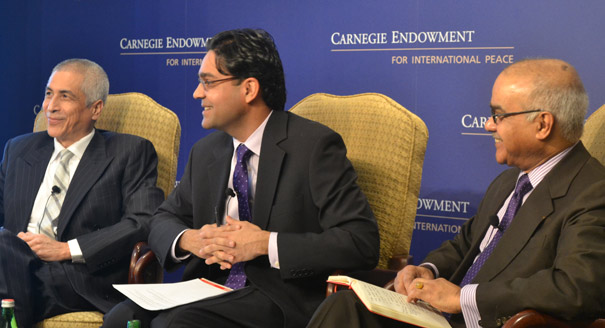
India enacted the Mahatma Gandhi National Rural Employment Guarantee Act in 2005 to implement an ambitious, demand-driven employment-creation program through projects that improve agricultural productivity and alleviate land degradation.
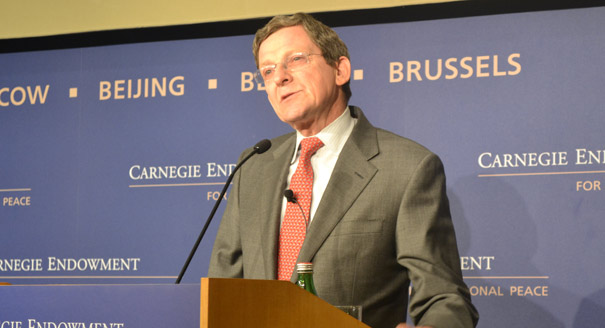
In his first public event since stepping down as Special Representative for Afghanistan and Pakistan, Ambassador Marc Grossman discussed efforts to reach a political settlement and the future of American diplomacy in the region.
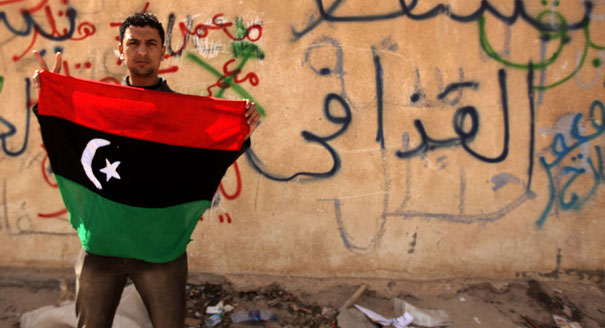
Religious conflict, border disputes, and ethnic divisions have resulted in decades of upheaval throughout the Middle East. In the past, concerns about energy security—as well as longstanding commitments to allies and friends—have prompted U.S. engagement and intervention in that area.
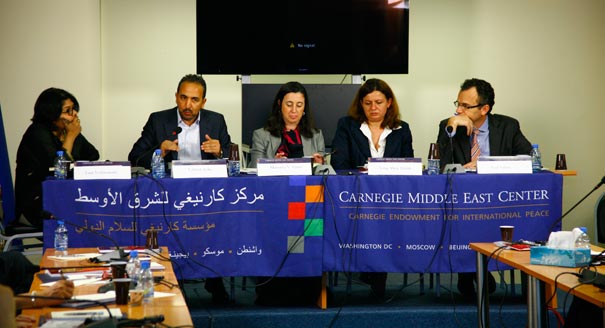
Although Arab states have made admirable progress in reducing the gap between men and women in areas such as access to education and health care, more female participation in the region’s political and economic life is still needed.
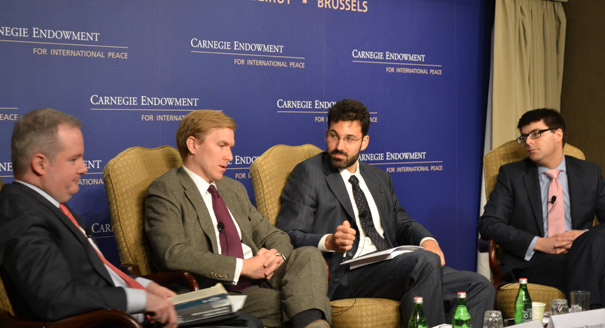
Although the Obama administration has pledged to formulate its nuclear policy around the concept of strategic stability, there is major disagreement on the meaning of concept and whether it is a sound basis for policy.
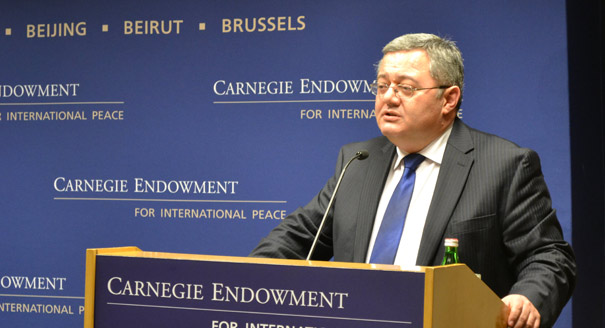
Following last October’s elections, Georgia is living through an unprecedented state of “cohabitation” between president and prime minister and a very lively parliament.