Carnegie Moscow Center

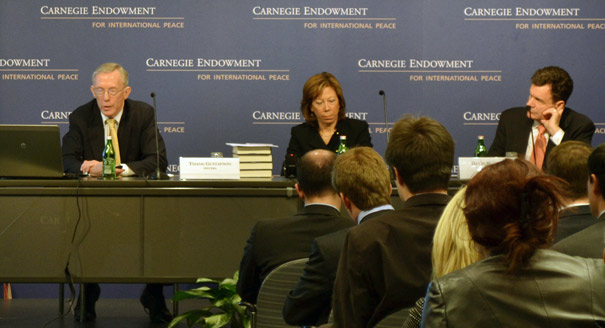
It remains to be seen whether Russia will continue to give high priority to Arctic oil development if the tight-oil revolution from North America spreads quickly to Russia, driving a renaissance of West Siberia.

The judicial prosecution and imprisonment of journalists in Turkey hit record highs in recent years, damaging the country’s image.
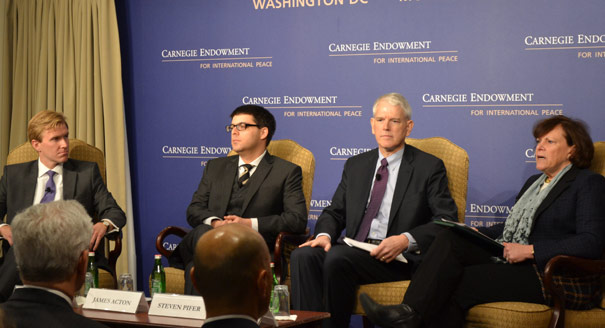
Reducing nuclear risks was a signature issue in President Obama’s first term. However, following a series of successes in 2010, progress has stalled.

Carnegie President Jessica T. Mathews will participate in a live Twitter Q&A discussion on the most pressing foreign policy issues of President Obama’s second term.
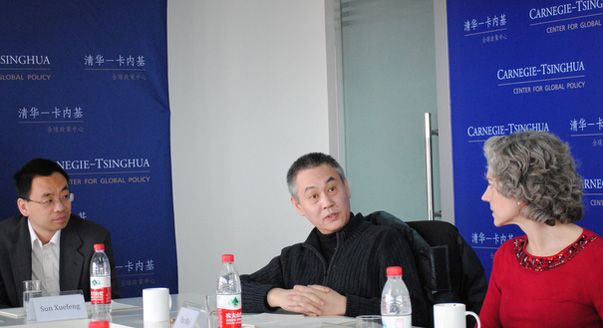
China holds a critical role in overcoming the major global issues of 2013, ranging from climate change to nuclear security to the global economy.
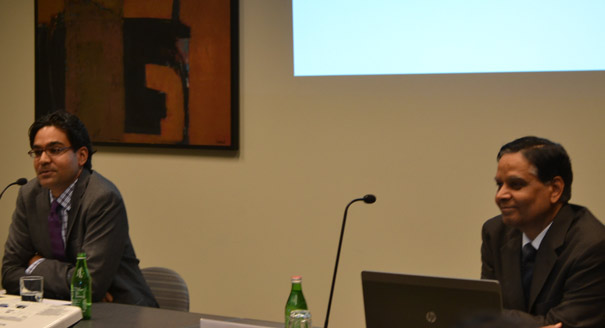
Despite high levels of growth and economic reforms, domestic observers as well as international organizations such as the World Health Organization have criticized India’s high rates of child malnutrition.

Global economic, health, and social disparities are not explained by culture, climate, or geography. Instead, man-made political and economic institutions are what underlie economic success, or the lack thereof.
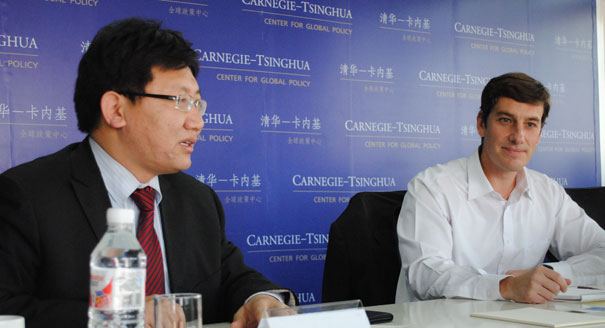
China’s increasing economic exchanges with neighboring states have affected regional security and stability. In addition to the main powerhouses like Singapore and Japan, China has become more concerned about relations with other neighbors like Mongolia, Cambodia, Laos, and Myanmar.
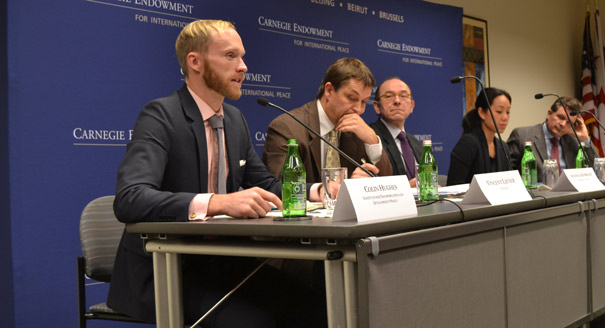
Establishing frameworks and institutions to guide the development of urban transport systems remains challenging at both the national and supranational levels.
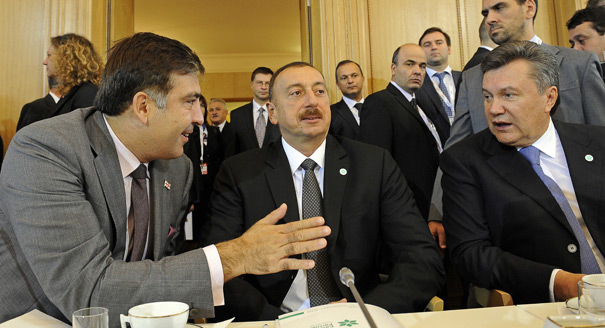
Recent developments in Europe’s post-Soviet neighborhood, in countries like Georgia and Ukraine, have highlighted the region’s struggling efforts for democratization.