Carnegie Moscow Center

Germany’s actions to resolve the eurozone crisis will significantly impact the future of the region’s monetary union as well as trade relations with China, the EU's largest trading partner.
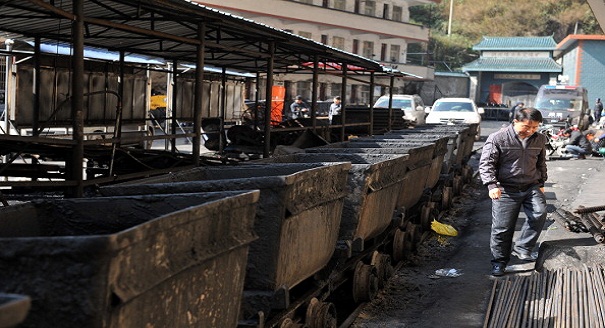
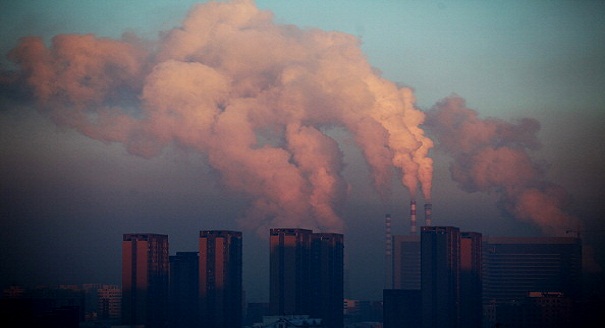
Today, coal-related environmental challenges, especially the rising carbon emissions, will have significant implications for not only China but also the international community.
China and the United States, the two largest coal producers and consumers in the world, must work together to address environmental impacts throughout the coal value chain.
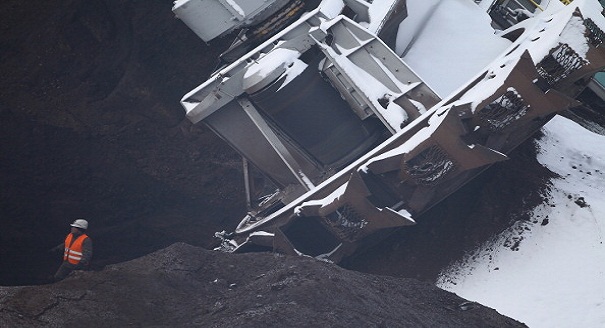
Coal's problematic environmental record looms over its growing importance in meeting China's spiking energy demand, but it also illuminates opportunities in climate policy and international economic development.

The Eurasian customs union formed by Russia, Belarus, and Kazakhstan in 2010—the largest in the world by territory—is becoming very real.
Rising China and emerging India are becoming major maritime powers. As they build large navies to secure their growing interests, both nations are roiling the waters of the Indo-Pacific.

It is important to identify solutions to improve efficiency of the coal value chain, from mining and transport to end use, and to reduce coal’s impacts on the environment.

China’s presence has brought great challenges and opportunities for Africa’s developing countries.

International efforts to promote the role of law in developing countries have reached a difficult stage. Despite decades of concerted efforts on the issue of legal empowerment and judicial reform, evidence of success remains sparse.

China has played a significant role in the foreign policy discussions surrounding the 2012 U.S. presidential election.