Carnegie Moscow Center

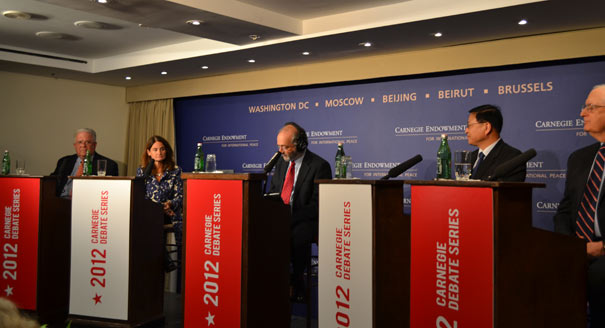
BBC Radio’s Robin Lustig moderated a debate with Elizabeth Economy, Chas W. Freeman, Jr., J. Stapleton Roy, and Yan Xuetong on what the next American president should do about China.
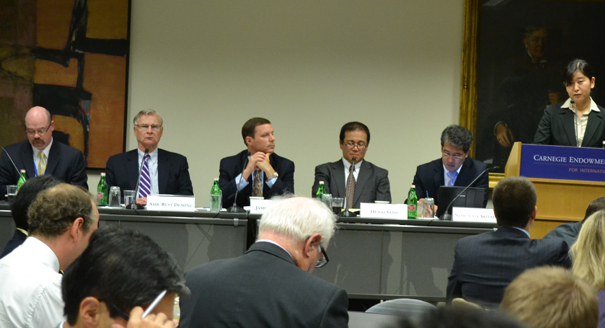
In July 2011, the Sasakawa Peace Foundation launched a project assessing the Japan-U.S. response to the Fukushima nuclear crisis.
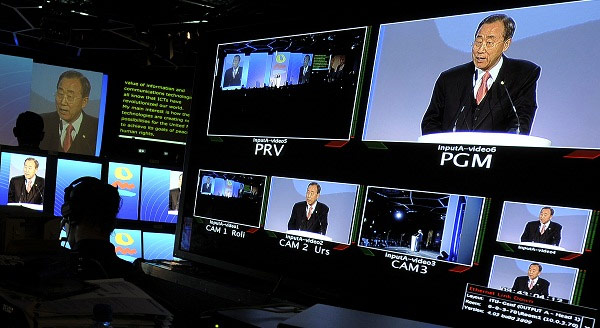
In November, international policy experts will convene in Baku, Azerbaijan for the Internet Governance Forum.
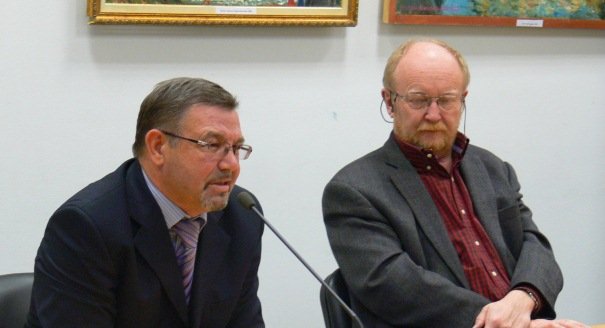
Radicalization is taking place inside Tatarstan’s Muslim community, and internal divisions are among the reasons for the July 2012 terrorist attacks on Ildus Faizov and Valiulla Yakupov.
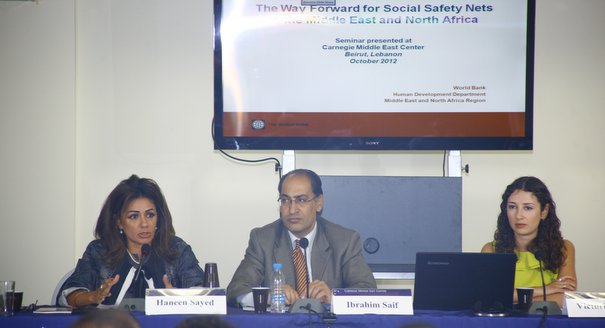
The political environment in MENA countries has delayed the process of starting the reforms needed to solve problems of poverty and inequality. A road map is needed to improve the institutional capacity within the government organizations responsible for social spending.
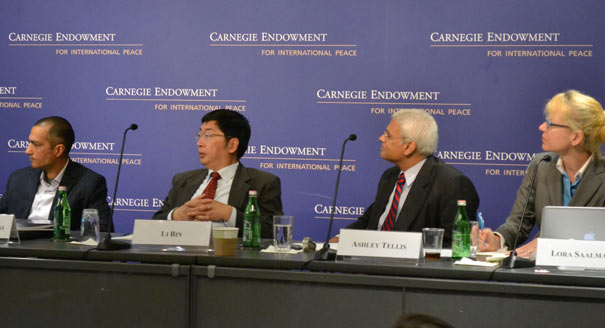
As China and India’s nuclear and conventional capabilities evolve, there is a growing need to establish an open dialogue to overcome misperceptions and opacity surrounding each country’s nuclear posture.
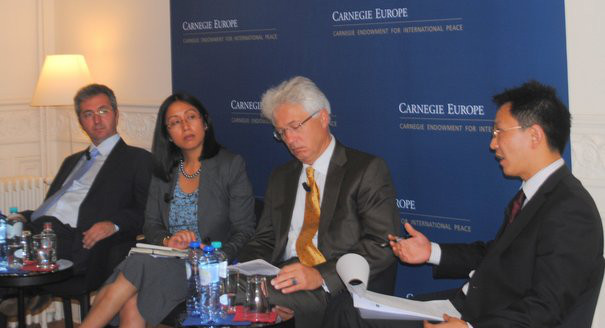
With the right mix of realism and self-confidence, the EU may be able to pursue a more interests-based and assertive engagement with China and India.
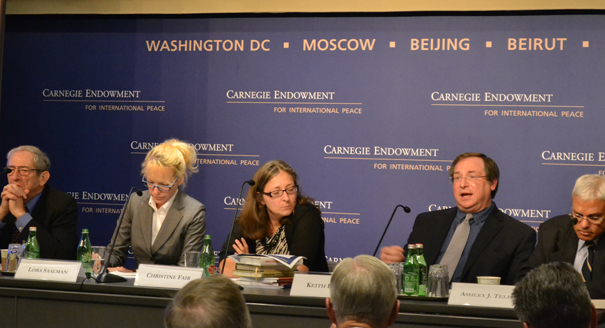
Deterrence in South Asia is a challenge for its three nuclear-armed powers, who must overcome deep-seated histories of misperception and mistrust if they are to maintain the peace.
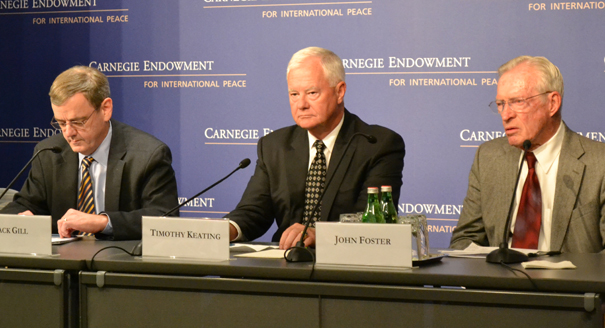
Especially as the United States re-calibrates its defense policy towards the Pacific, it should pay careful attention to the region's strategic dynamics.
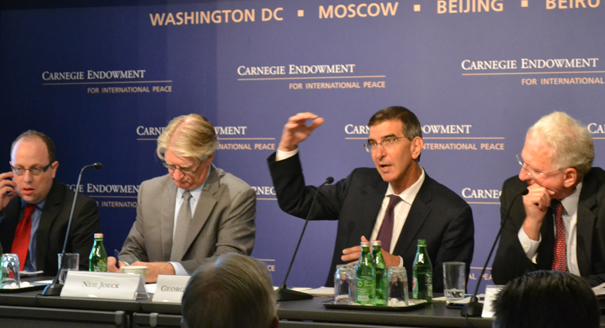
Southern Asia is home to one of the world's most complex mix of strategic objectives, geographic challenges, and military capacities. Three experts weigh in on the strategic future of this sensitive region.