Carnegie Moscow Center

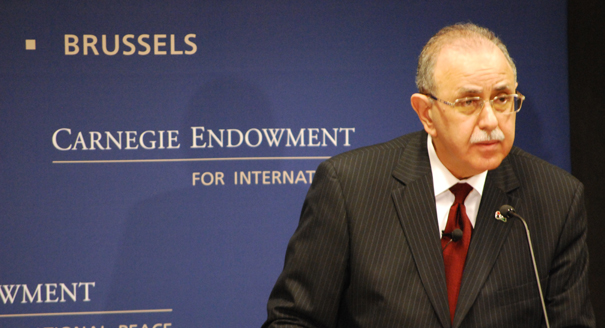
Libyan Prime Minister Abdel-Rahim El Keib discussed Libya’s political transition and the future of U.S.-Libya relations.
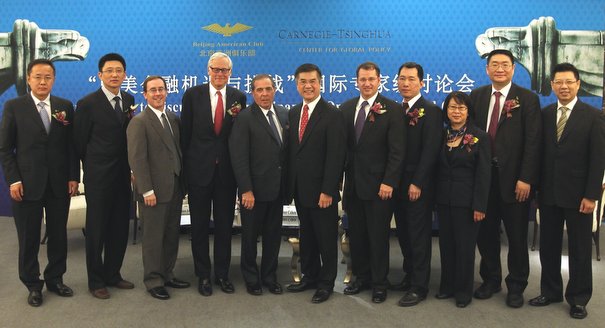
Since the Sino-U.S. rapprochement in the 1970s, trade between the United States and China has ballooned to over $400 billion dollars. While trade forms the bedrock of bilateral relations, significant hurdles still need to be resolved in order to further economic cooperation.
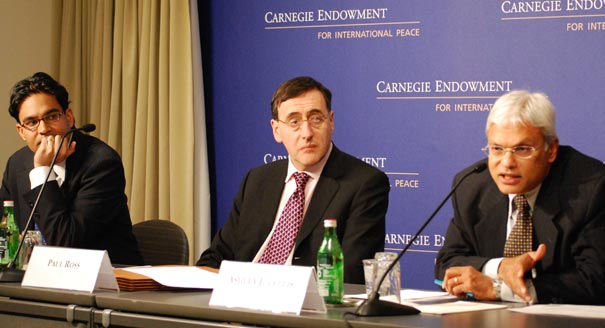
Pakistan’s economy remains highly vulnerable to several aspects of the country’s current reality: continued security issues, political uncertainty, and two recent and severe floods.
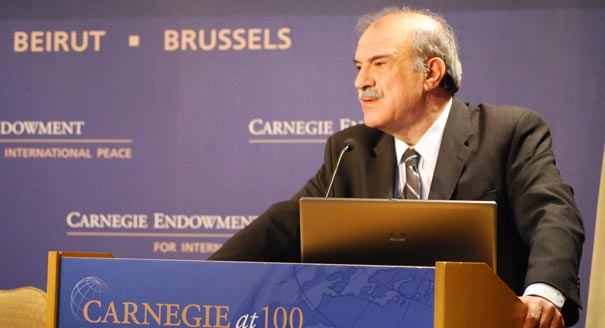
The accident at Fukushima Daiichi Nuclear Power Station has already and will continue to alter the regulatory approach and framework for nuclear power in the United States.
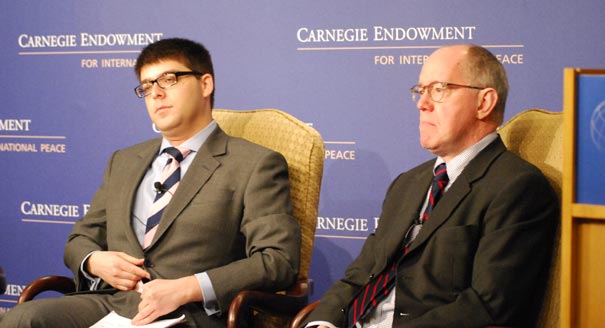
Contrary to initial assessments that characterized the March 2011 accident at Japan’s Fukushima Daiichi Nuclear Power Station as an unavoidable disaster, the accident was foreseeable and preventable.
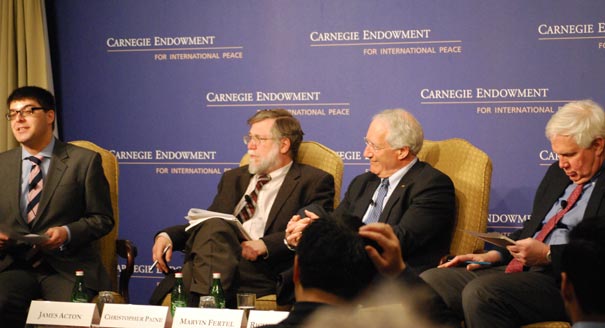
The Fukushima accident has spurred renewed awareness among American nuclear industry and in the Nuclear Regulatory Commission about the importance of improving emergency management, but questions remain about whether post-Fukushima improvements are enough to ensure the safety of U.S. nuclear power plants in a variety of emergency scenarios.
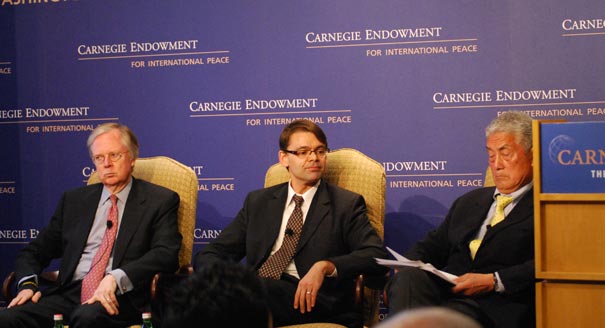
The Fukushima accident continues to have significant implications for Japan’s energy future, the nuclear liability regime, and the future of nuclear power globally.
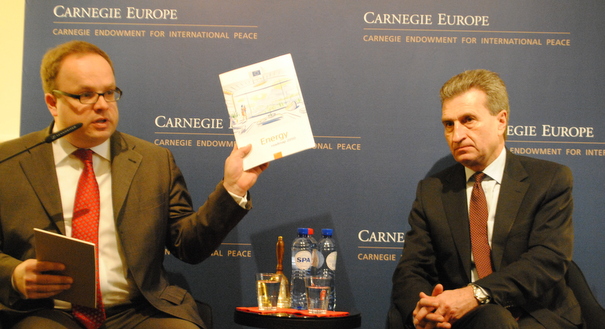
In its Energy Roadmap 2050, the European Commission maps out its strategy to improve the European Union's energy security and competitiveness while transitioning to a low-carbon energy system.
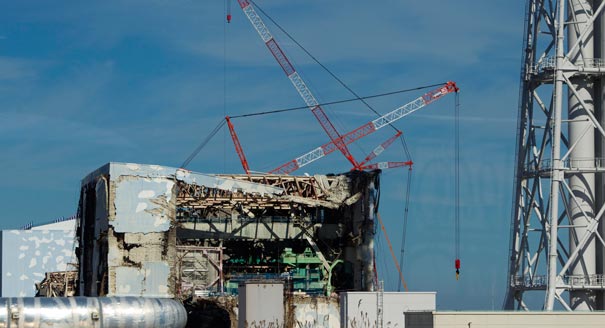
Almost one year after a massive tsunami triggered a nuclear accident at Fukushima Daiichi Nuclear Power Station, the plant itself may finally be under control, but the accident’s consequences are likely to be profound and long lasting.
The United States must find a way to reduce its more than $15 trillion debt and improve its long-term fiscal outlook.