Carnegie Moscow Center

With Russia’s presidential election less than a week away, Vladimir Putin is facing the most serious challenge since the establishment of his “power vertical.”
Cities across both the United States and the EU are investing in numerous strategies to reduce carbon emissions from transportation.
As Turkey’s regional role evolves, so does its relations with neighbors and in turn, its security challenges.
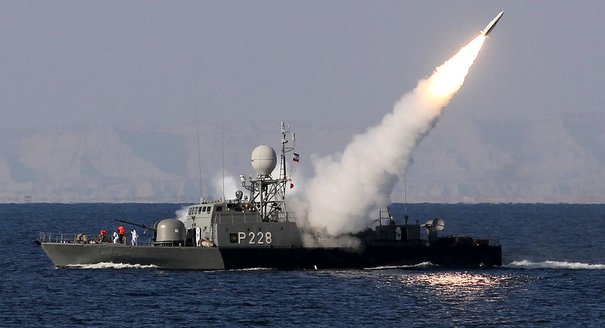
As the Islamic Republic of Iran prepares for parliamentary elections in March, it remains unclear who controls the country - the clerics or the military.
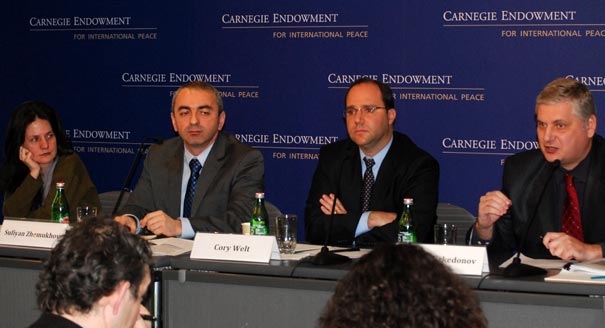
Although major military operations have ceased, the North Caucasus remains Russia’s most troubled region and continues to suffer from a radical Islamist insurgency.
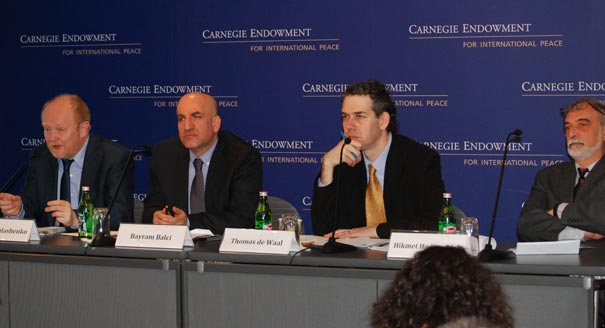
Islam is increasingly an important factor in the politics of the wider Caucasus region.

Islam is increasingly becoming a factor in the politics of the wider Caucasus region, as Azerbaijan experiences a growth of religion in politics and Turkey and Iran compete for Islamic influence on their neighbors.
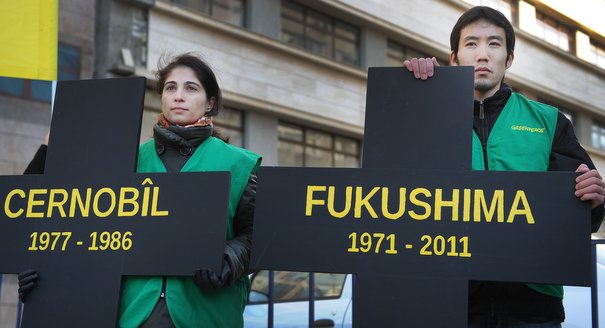
Fukushima serves as an important case study to understand how far nuclear safety can be improved and illustrates how important it is that these improvements are made if nuclear power is to become socially acceptable.
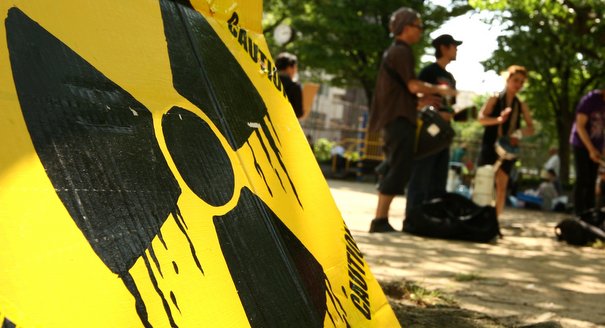
The impact of the Fukushima Daiichi nuclear disaster on the global nuclear energy industry can clearly be seen one year later. Countries around the world with civilian nuclear programs have all learned lessons from the Fukushima disaster, most importantly that international best practices must be adhered to if countries wish to minimize the risk of such disasters in the future.
The CPGS program aims to develop high-precision conventional munitions capable of hitting a target anywhere in the world within one hour. Despite repeated assertions by the U.S. government that CPGS is to be a “niche” capability, not intended to affect strategic balances with Russia or China, neither Moscow nor Beijing fully trusts these assurances.