Carnegie Moscow Center

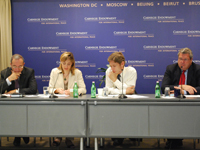
In advance of President Obama's meetings with Egypt's Hosni Mubarak and Jordan's King Abdullah II and the Palestinian–Israeli direct talks, Carnegie experts previewed expectations for the talks and discussed Mubarak’s visit as the country approaches critical parliamentary elections this fall.
Following the June violence, Kyrgyzstan remains gripped by uncertainty surrounding rebuilding in the South and the upcoming parliamentary election. There is a strong potential for continued conflict in the country if these issues are not addressed.
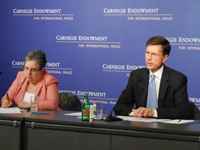
Central Asia has significant importance to U.S. national interests and the Obama administration has a role to play in promoting human rights in the region.
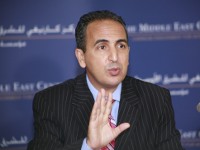
Morocco recorded an impressive decline in monetary poverty over the last decade, and compared to other Arab countries, Morocco's trends are remarkable and deserve a deeper investigation to draw policy lessons.
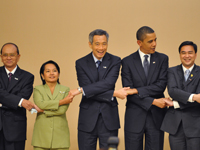
To further the study of Southeast Asia in world affairs, the Bakrie Center Foundation has made a generous pledge to support the establishment of a Chair for a Senior Associate in Southeast Asian Studies at Carnegie's Washington office.
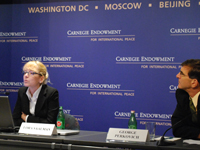
The Obama administration’s Nuclear Posture Review (NPR) contained a number of passages addressing the U.S.–China strategic relationship, which have drawn varying reactions from Chinese arms control experts.
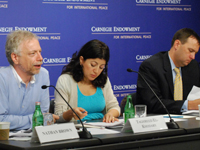
While Prime Minister Netanyahu was received warmly on his recent visit to Washington, progress on the peace process remains in doubt. If direct negotiations are to resume, the split among Palestinians will hamper—and arguably prevent—the ability of President Abbas to negotiate on behalf of the divided people.
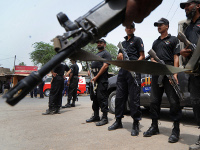
For more than two years Pakistan's civilian government has withstood the challenges of a virulent insurgency, economic crisis, and the pressures of U.S. counterinsurgency operations. While civilian rule has endured, Pakistan's military remains a powerful political influence.
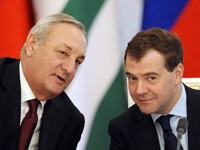
Through business connections, Georgia and Abkhazia can discover opportunities for mutually beneficial engagement that could improve socio-economic conditions in Abkhazia, build confidence on both sides, and eventually help resolve the conflict there.
Europe encompasses more than just the European Union; Russians are Europeans as well. As Russia continues to evolve, it needs wide-ranging efforts at modernization, and the European Union can certainly help. Yet Russia needs to work with the entirety of the EU, not only its larger members.