Carnegie Moscow Center

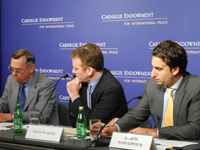
Last year’s highly controversial presidential election spurred Iran’s largest uprisings since the 1979 revolution. While the government gradually succeeded in violently quashing the opposition momentum, the country’s deep internal rifts remain visible.
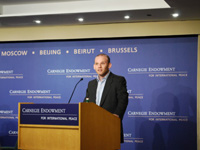
Sasha Polakow-Suransky and Avner Cohen discuss the history of Israeli-South African nuclear cooperation and the future of Israel's nuclear posture.
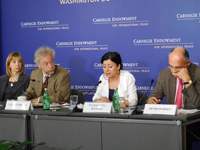
Israel’s raid on a flotilla of humanitarian aid ships bound for Gaza, which reportedly left at least nine people dead, drew condemnation from international leaders and leaves prospects for Israeli-Palestinian talks even more dismal.
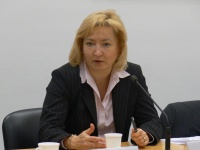
The financial crisis has exposed the weaknesses in a number of national and international financial institutions. It has also created the opportunity to develop an integrated regulatory framework for the global financial sector.
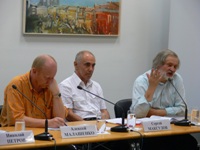
The circumstances surrounding the exodus of the Russian population of Chechnya and the deterioration of bilateral relations must be better understood if Moscow wishes to cultivate positive relations between Chechens and Russians and to avoid similar developments in other parts of Russia.
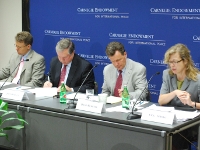
A component of the new climate and energy bill aims to tackle transportation carbon, which accounts for over 30 percent of domestic carbon emissions and over 70 percent of domestic oil consumption. Pricing transportation carbon is a contentious—but ultimately crucial—component of managing climate change.
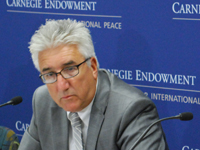
Libya is now in the second year of full normalization with the United States, following decades of frozen diplomatic relations. The country still faces many domestic challenges, including the presence of radical Islamist groups and the challenges of transition and reform after years of international isolation.

The role and importance of Orthodoxy in the Russian media is growing, but journalists and clergy alike have become overly focused on promoting their preferred image of Orthodoxy and demonstrating how they think Orthodoxy should be perceived by the public and portrayed in the media.

As the European crisis continues to intensify, critical questions are emerging about German leadership and the role that the United States can play to influence events in Europe.
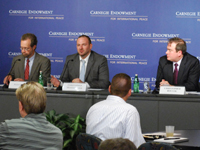
Radical cleric Anwar Al-Awlaki's powerful appeal to violent extremists, ties to al-Qaeda, and apparent inspirational role in the failed Christmas Day bombing and the Fort Hood shooting have made him a high priority target for the Obama administration.