Carnegie Moscow Center

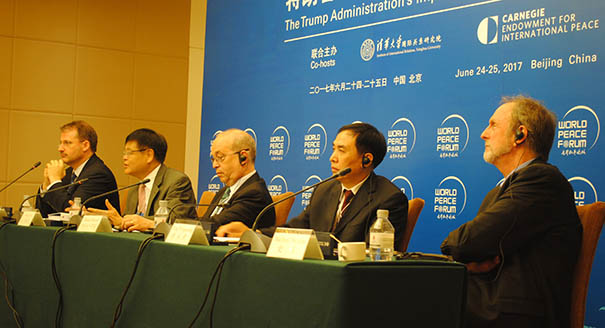
China is putting itself forward as a strong advocate for interconnectivity and globalization as the United States' role in the existing world order is called into question.
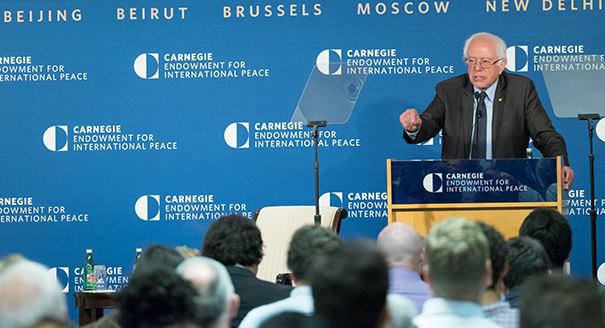
U.S. Senator Bernie Sanders (I-VT) discussed the rise of authoritarianism and emerging threats to democracy in the United States and around the world.

The transition to a low-carbon economy after the Paris Agreement has been embraced by an unprecedented number of countries and thousands of subnational groups, and is contributing to growth and competitiveness globally.
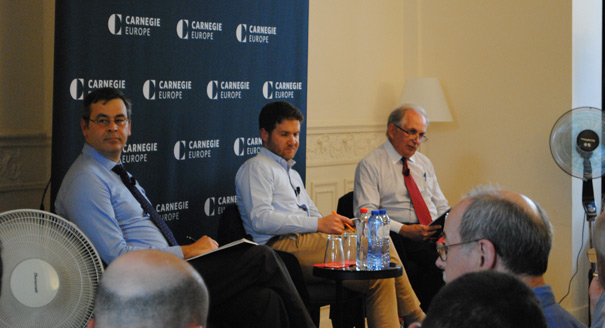
Could a more coordinated Turkey-UK relationship help the two governments improve their negotiating positions with the EU?
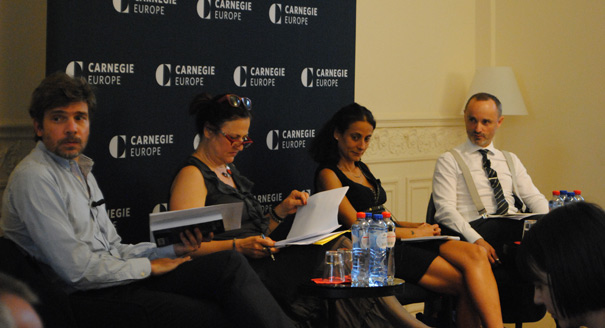
Has the EU managed to contain the Eastern crisis—or set up new conditions for more instability in the future?
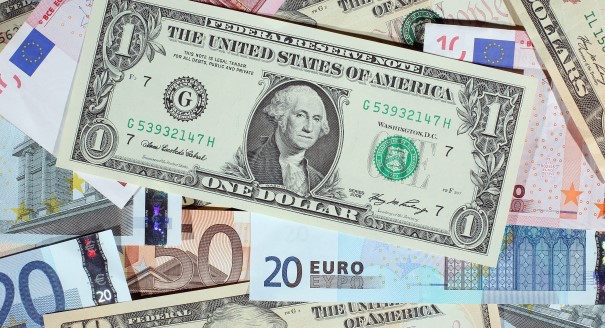
The G20 should commit not to manipulate the integrity of data and algorithms of financial institutions and to cooperate when such incidents occur.
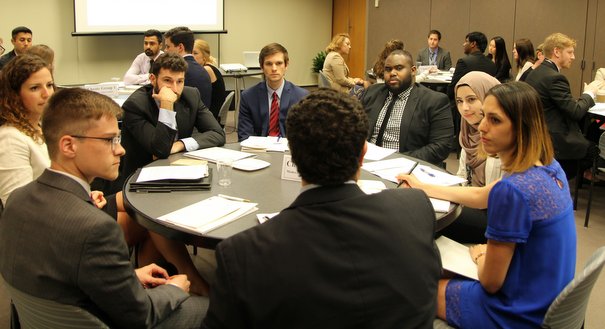
The annual Carnegie Junior Fellows Conference will engage young policy professionals across the political spectrum on the erosion of civic norms and declining faith in political institutions.
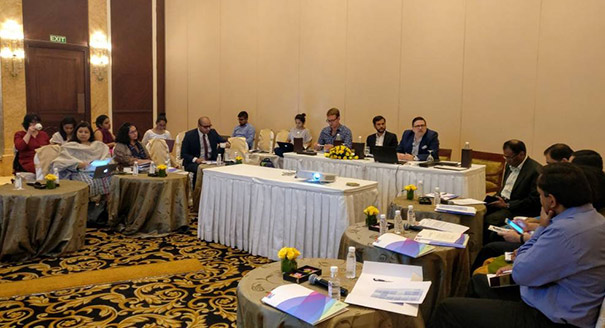
The idea of Bay of Bengal as a multilateral, strategic, and economic community has engendered multiple narratives around the bay.
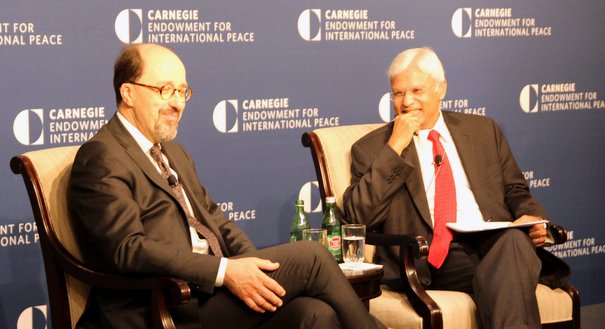
The West has long been a font of stability, prosperity, and security. Yet when faced with global instability and economic uncertainty, it is tempting for states to react by closing borders, hoarding wealth, and solidifying power.
China’s Belt and Road Initiative (BRI) has become the organizing foreign policy concept of the Xi Jinping era.