Carnegie Moscow Center

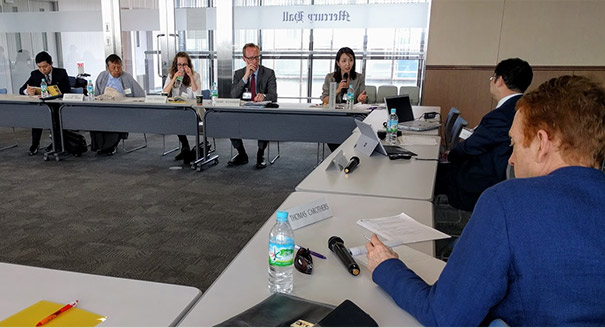
The Carnegie Endowment for International Peace hosted a two-day meeting of its Rising Democracies Network in Tokyo, Japan.
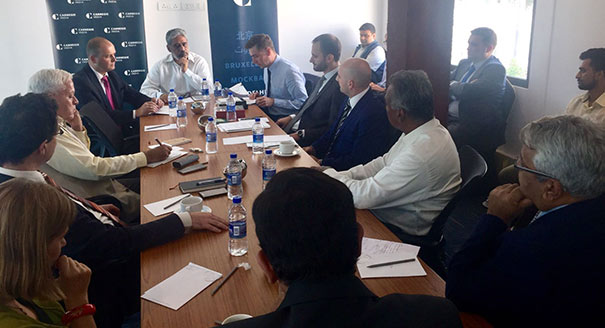
In the face of a more assertive Russia, a distracted United States, and an active China, the Baltic region’s strategic significance to India has grown rapidly.
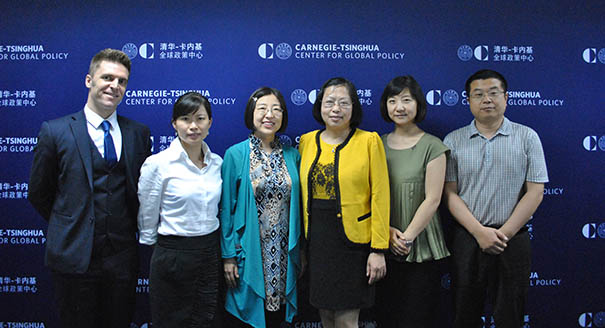
Chinese companies investing in Europe are largely driving the Belt and Road Initiative, but cultural differences could impede their success.

Actions by governments around the world to restrict space for civil society have continued to multiply.
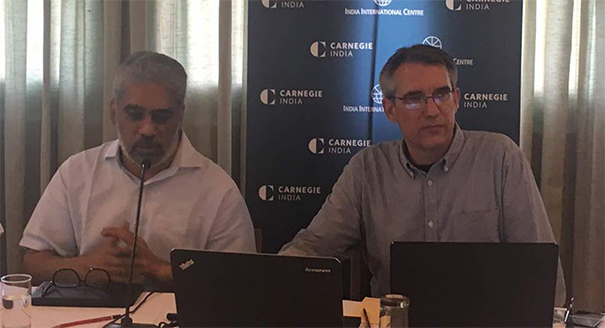
Inside the tightly controlled society of North Korea, the demise of state socialism, creeping market forces, and an increased social openness to the outside world is altering the country.
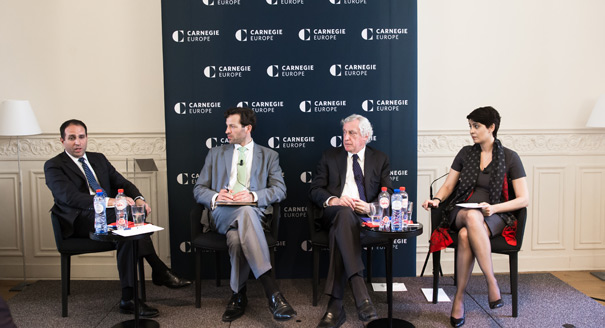
With the U.S. administration reviewing whether it should pull out of the Iran nuclear deal, Tehran may find renewed interest in a strategic relationship with Brussels.
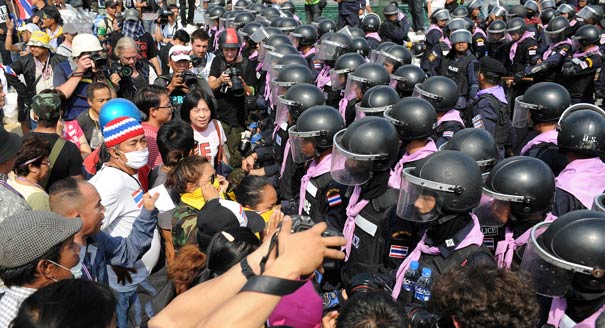
Members of Carnegie’s Civic Research Network participated in a Reddit AUA on the important changes under way in civil society across the globe.
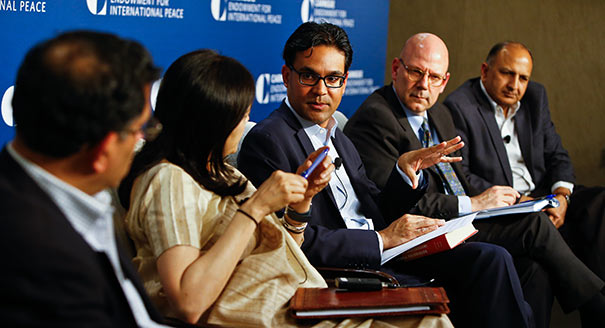
While a growing private sector and a vibrant civil society can help compensate for the shortcomings of India’s public sector, the state is—and will remain—indispensable in delivering basic governance.
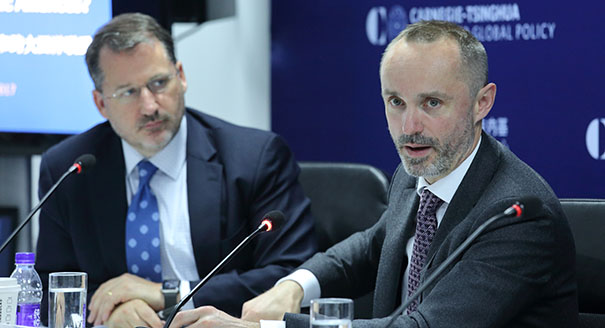
President Trump has called the future of NATO and the transatlantic alliance into question. China, meanwhile, could benefit from a U.S. retreat as it continues to promote its Belt and Road Initiative.
The United States has historically had a strong focus on the Middle East. China is also looking to grow its economic engagement in the region, but the two nations have differing approaches to issues like the Iran nuclear deal and the civil war in Syria.