Carnegie Moscow Center

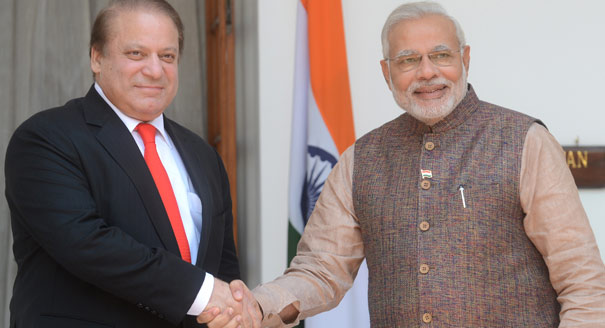
India’s decision to renew dialogue with Pakistan has generated both widespread interest and concern.
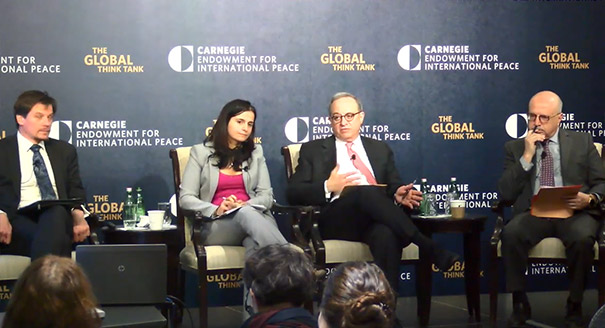
The Carnegie Endowment for International Peace hosted a review of its first Arab Experts Survey. Conducted in both English and Arabic, the survey represents the views of more than one hundred accomplished political thinkers representing almost every Arab country.
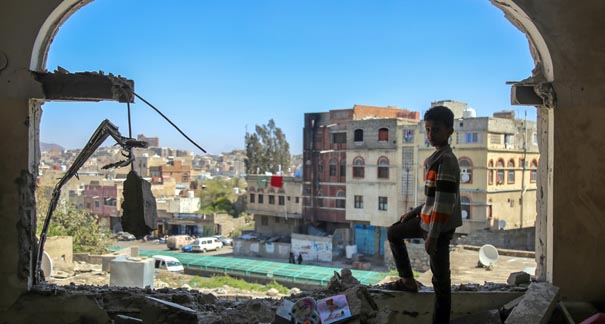
Five years after the start of the popular protest movement that overthrew Ali Abdullah Saleh’s regime, Yemen is deeply embroiled in a civil war.
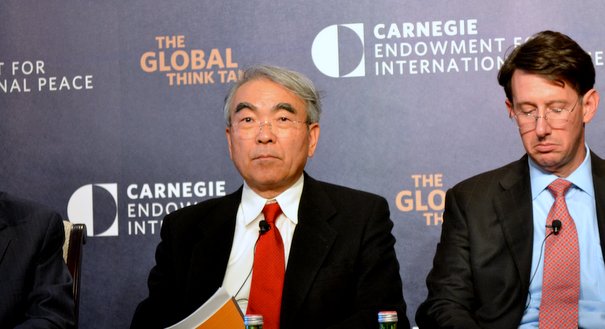
A diverse group of specialists from Japan and the United States discuss the role of science and technology in twenty-first century diplomacy.
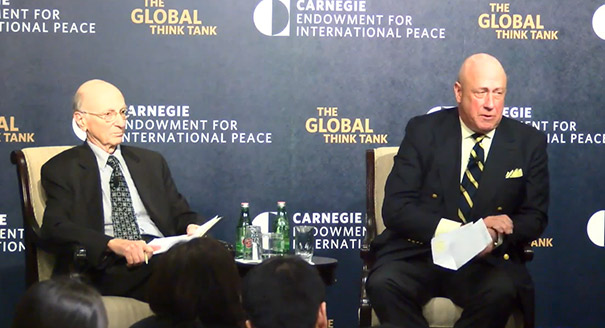
The domestic implications of Taiwan’s legislative and presidential elections will be important for the region, as China’s slowing economy and Taiwan’s growing resistance to mainland influence continue to play out.
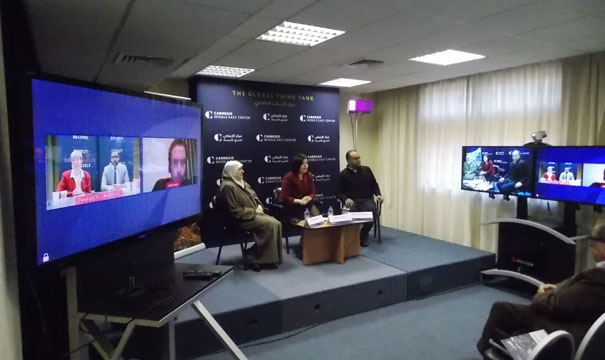
Five years after Egypt’s January 25 uprisings, the country faces increased terror threats from extremist groups and enjoys even less freedoms than before the popular movement toppled the 30-year-old regime of former president Hosni Mubarak.
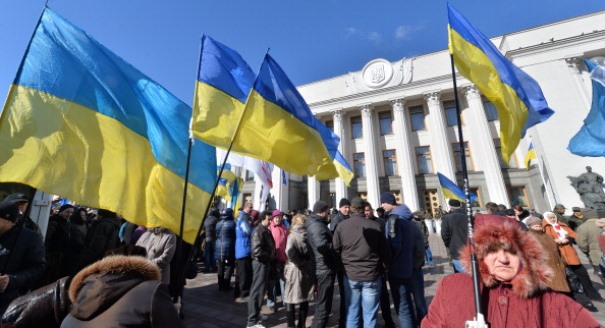
Ukraine is undertaking an ambitious reform package. Yet the enduring influence of oligarchs, the challenge of corruption, and the slow economic recovery could seriously undermine the viability and sustainability of any progress.
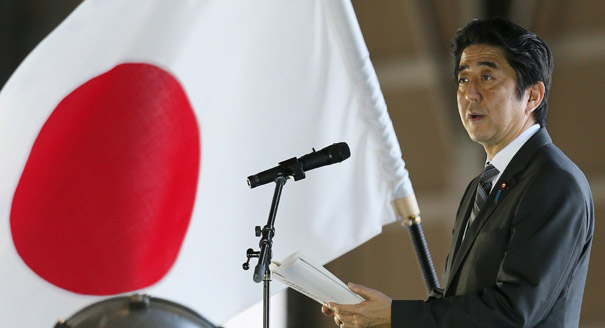
A number of major foreign and domestic policy challenges face Japan in 2016.

Technology is transforming the world at an unprecedented pace. But the digital sphere also creates challenges and the need for better regulation.
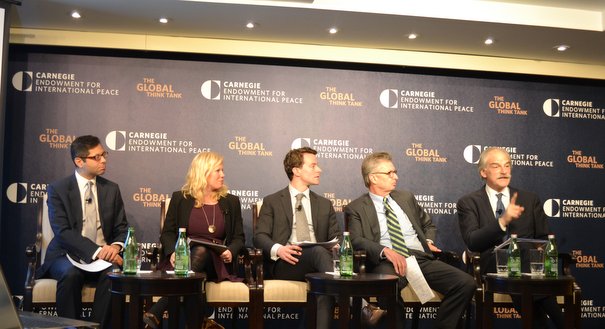
Panelists explored how policy is being used to align the financial system with sustainable development and the scope for further leadership from the United States in the year ahead.