Carnegie Moscow Center

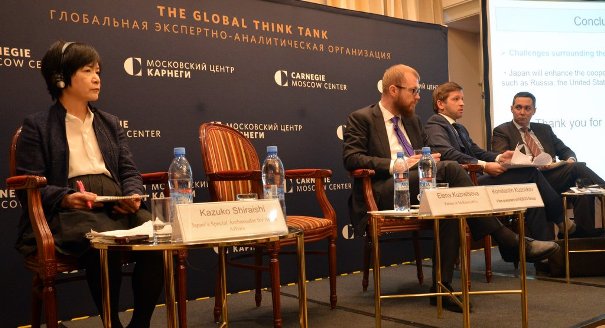
The conversation addressed the overlapping national interests of Moscow and Tokyo in the Arctic, possible opportunities and roadblocks for Japanese investment in the development of the Northern Sea Route, and business projects in the Russian Arctic, as well as security challenges and ways to mitigate them.
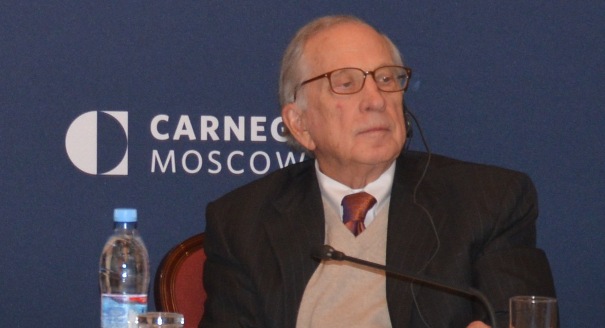
Sam Nunn delivers remarks at the Carnegie Moscow Center.
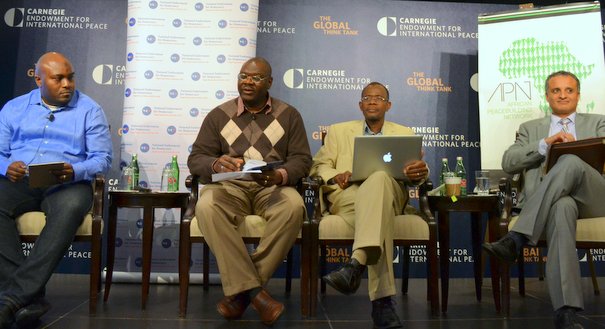
This all-day conference brings together leading scholars from around the world to examine security and governance challenges in the Maghreb-Sahel.
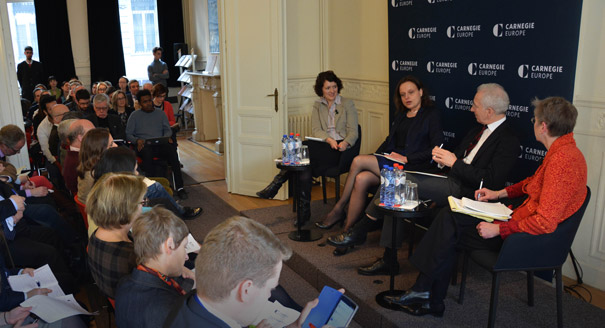
The refugee crisis unsettled the EU like no challenge before it. With the inflow of refugees likely to continue for years, migration may be the ultimate make-or-break issue for the EU.
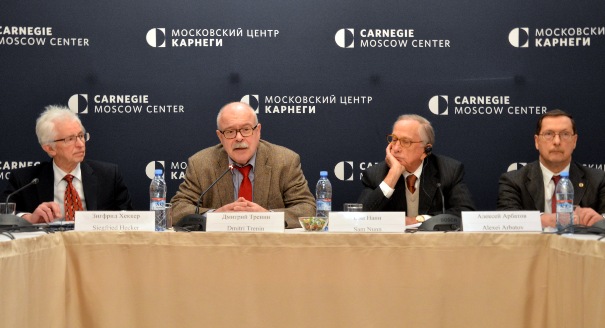
On February 24, Carnegie Moscow Center’s Nonproliferation Program hosted a roundtable focused on the past, present and future of U.S.-Russia nuclear cooperation.
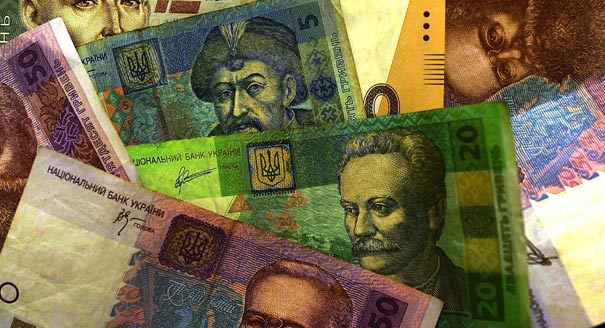
Extensive reform efforts are under way across Ukraine. Yet the country will not stabilize its finances until it addresses what both investors and ordinary citizens care about most—corruption.
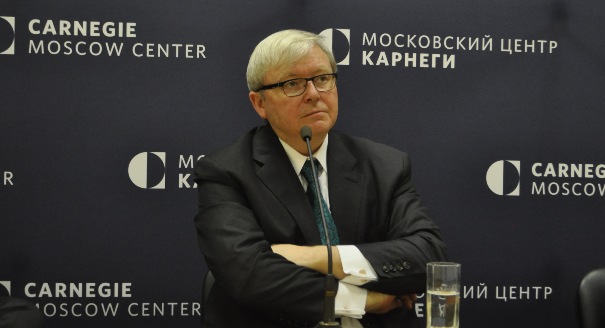
Xi Jinping is the number one in the Chinese political system. And therefore, it becomes very important for us to understand what his world view is, in understanding carefully, therefore, what China’s world view is.
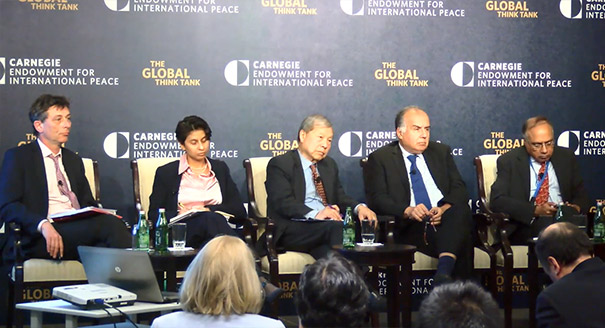
Min Zhu discussed the IMF's new study on Low Income Developing Countries, economic consequences of the outlook, and the policy options available.
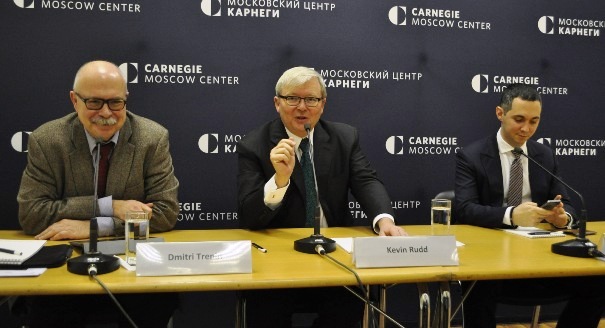
Xi Jinping’s foreign policy is much more proactive than his predecessors, driven by his desire to complete the transformation of the Chinese economy and pursue the China Dream.
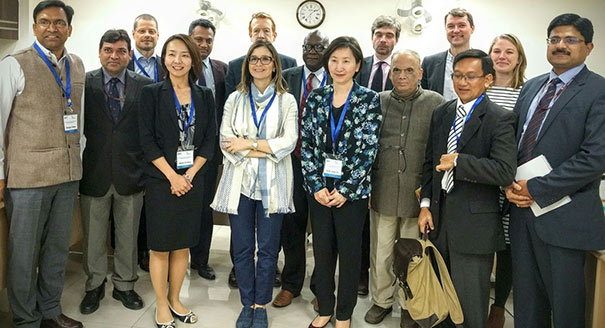
Carnegie and the Observer Research Foundation co-hosted a two-day meeting of Carnegie’s Rising Democracies Network in New Delhi, India.