Carnegie Moscow Center

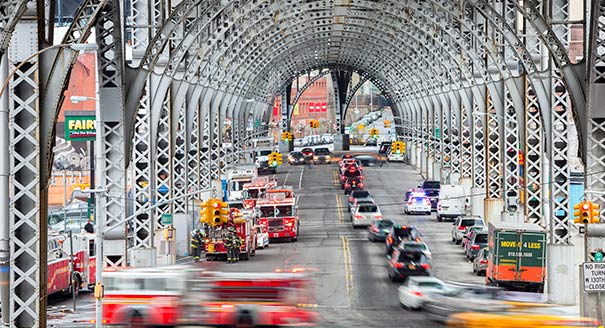
America’s aging foundation is not only failing to live up to the challenges that the country faces, but is a serious liability in a highly-connected world.

Nearly seven decades after the Partition of the Indian subcontinent, Pakistan faces a daunting series of existential challenges ranging from ethnic strife to Islamism and terrorism.
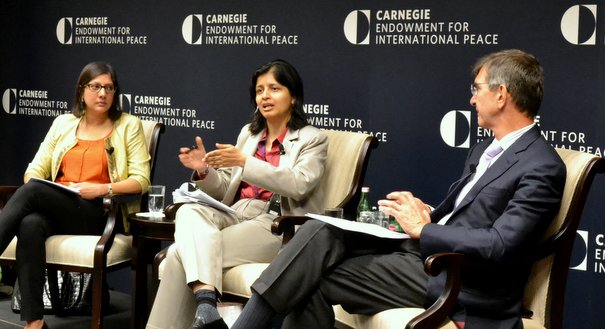
The last few months have witnessed nascent efforts to restart high-level bilateral talks between Delhi and Islamabad dashed again by political maneuvering in both capitals. Are the two states doomed to a perpetual state of “not war, not peace,” or is there hope for a way forward?

Renewable energies are displacing natural gas and coal, but they are not yet displacing oil at scale. Whereas wind and solar power the electric grid, oil powers transport. Until the day that alternative fuels dominate not only the roads, but also the skies and seas of the world, we will not be able to wean off oil completely.
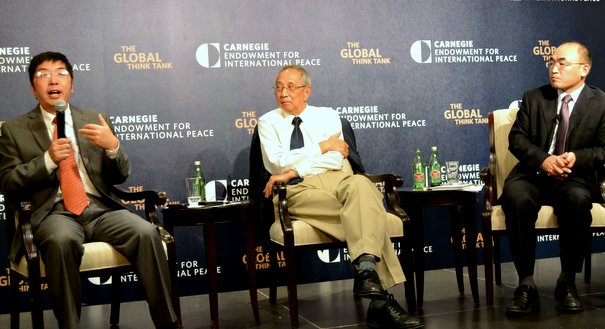
How does China think about nuclear weapons issues?
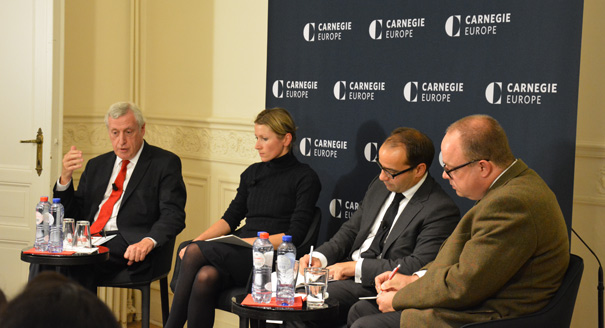
A year and a half after the Euromaidan protests and the fall of Viktor Yanukovych’s government, is Ukraine on the right reform path?

In light of the crisis in Syria, and as part of its mandate to promote democracy and development in the region, the United Nations Economic and Social Commission for Western Asia (UN-ESCWA) has initiated a program named The National Agenda for the Future of Syria (NAFS).
In order to accomplish the G7's announced goal to fully decarbonize by the end of this century, member states need to focus on long-lived infrastructure and policy decisions rather than year-to-year changes in energy or emissions balances, as well as the direct financial flows to decarbonization-friendly investments.
Japan’s plutonium production will soon exceed demand, creating a potentially destabilizing build-up.