Carnegie Moscow Center

The Southern Neighborhood's societal struggles, historic animosities, and religious confrontations—not to mention the coronavirus pandemic and the uncertain prospects facing youths—could threaten Europe’s security
The event will feature remarks by William J. Burns, Ann Kerr, and Maha Yahya, followed by a conversation between Jihad Azour, Marwan Muasher, Ben Rhodes, and Christiane Amanpour looking toward the ten-year anniversary of the Arab Spring.
The partnership between the United States and the EU is increasingly essential to managing the most pressing 21st century challenges. Whether on issues of trade, sanctions, climate, China, or technology, Brussels is Washington’s partner of choice. Yet the U.S.-EU relationship remains imperfect and needs strategic renovation.
We are delighted to host a distinguished panel to discuss Ananth Krishnan's new book, ‘India's China Challenge: A Journey through China's Rise and What It Means for India,’ featuring Indrani Bagchi, M. Taylor Fravel, Srinath Raghavan, and Ananth himself; moderated by Rudra Chaudhuri.

Differences in the role of the state, political freedoms and human rights, wealth distribution, and scientific and technological capacity are changing the international order. The COVID-19 pandemic has further magnified these trends.
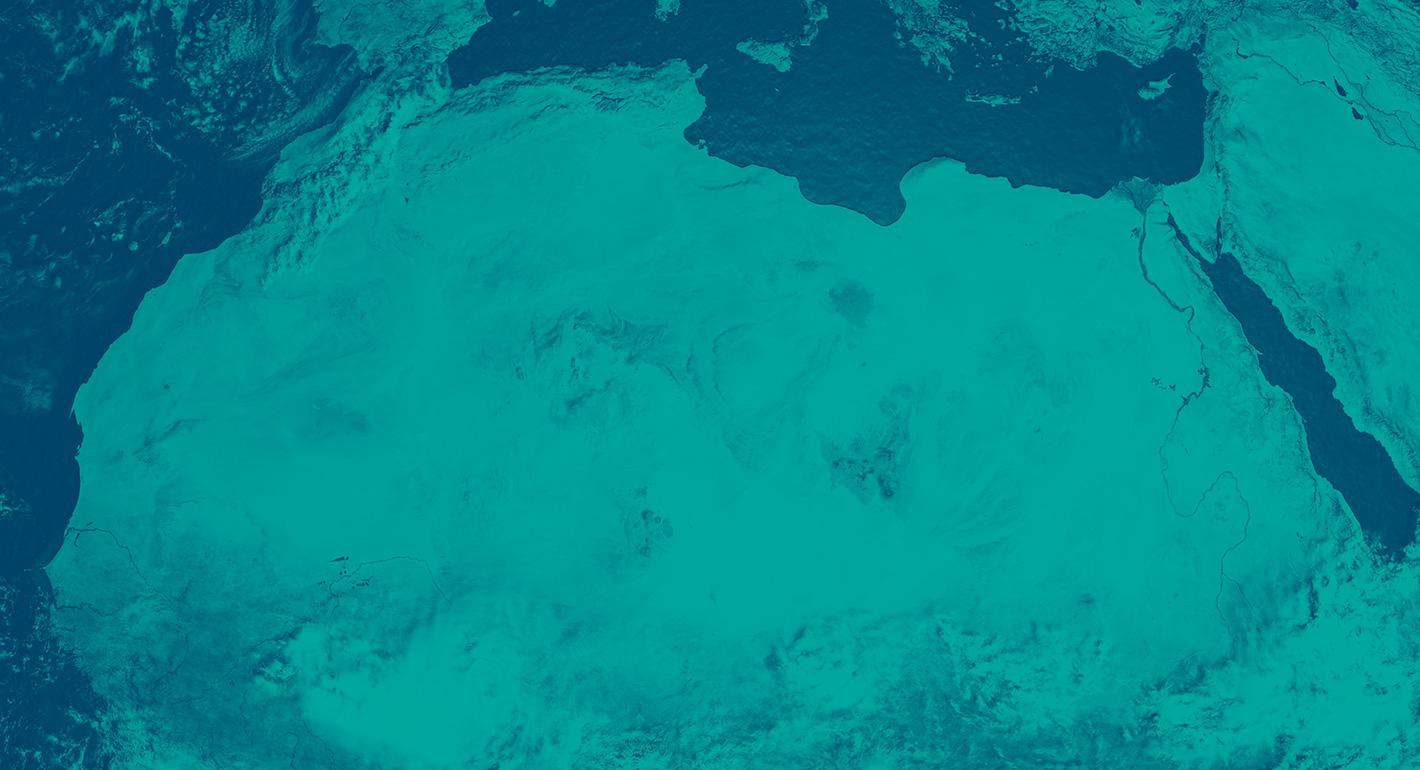
Foreign states have long meddled in Libya’s post-2011 conflicts, but this latest phase of the civil war has seen intensified military interventions by Russia, Turkey, and the United Arab Emirates, all in violation of a UN arms embargo. Why have diplomatic efforts to end the proxy war failed?

On October 31, Georgians will go to the polls for a parliamentary election that takes place in the context of an economic downturn and rising political polarization.
Sustainable post- COVID economic recovery in India will require an efficient resolution system. This workshop will examine the need for strengthening India’s institutional infrastructure for insolvency and bankruptcy in the wake of India’s economic slowdown.
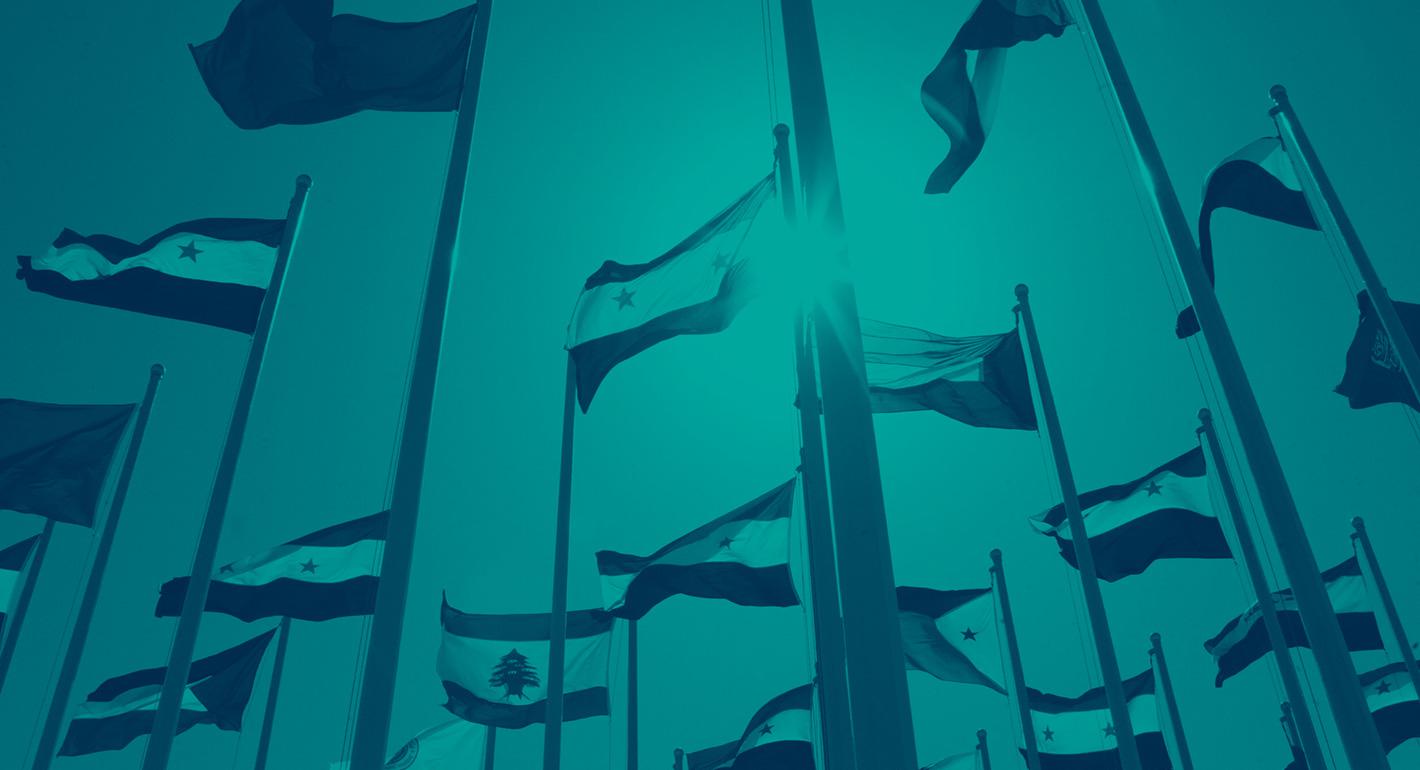
Syrian presidential elections are scheduled for 2021. President Bashar al-Assad and his close confidants have said that they will go ahead with the elections without a new constitution and irrespective of whether they meet the standards of the political process outlined in Security Council Resolution 2254.
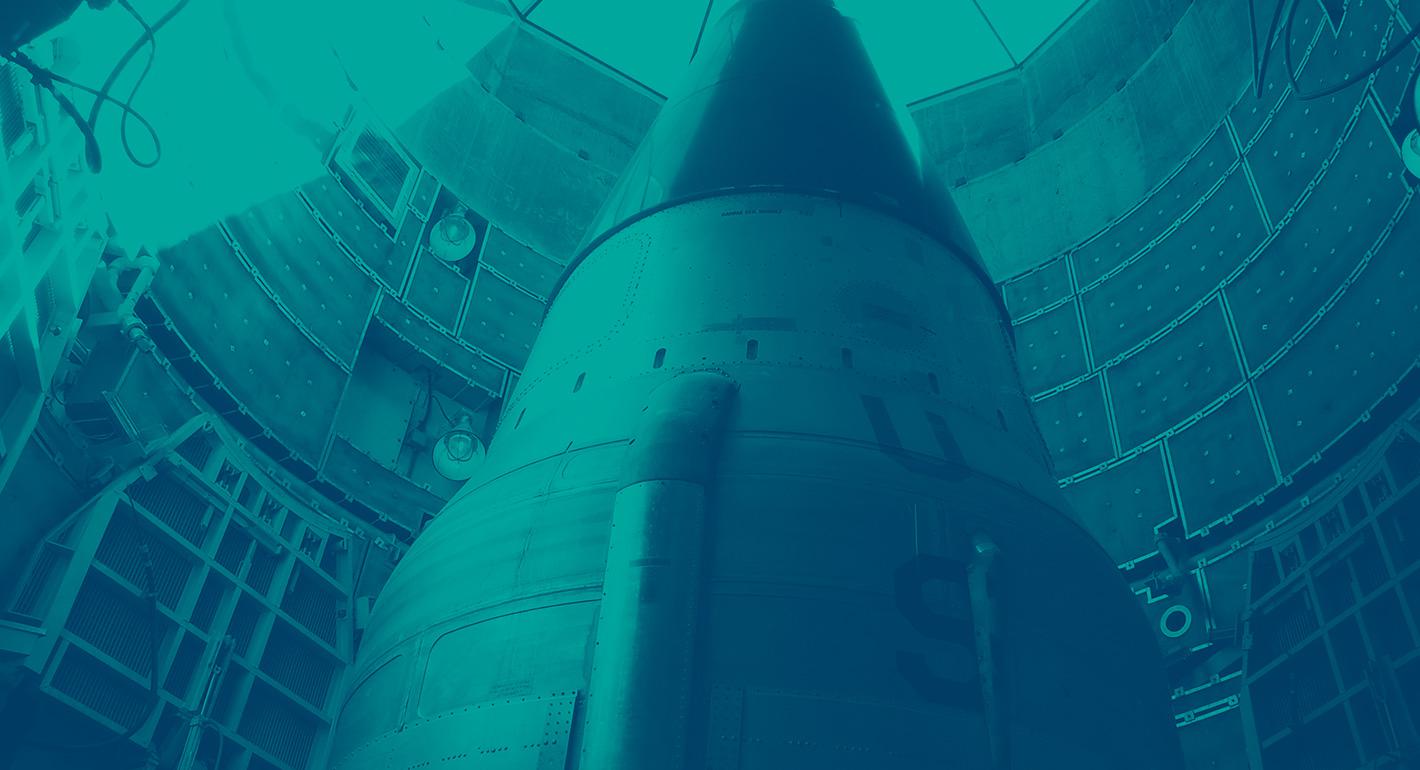
Please join us for a conversation with Carnegie Nuclear Policy Program James Acton and Pranay Vaddi, as they share insights from their new report: “A ReSTART for U.S.-Russian Nuclear Arms Control: Enhancing Security Through Cooperation.” They will be joined by Alexei Arbatov, and Rose Gottemoeller as moderator.