Carnegie Moscow Center

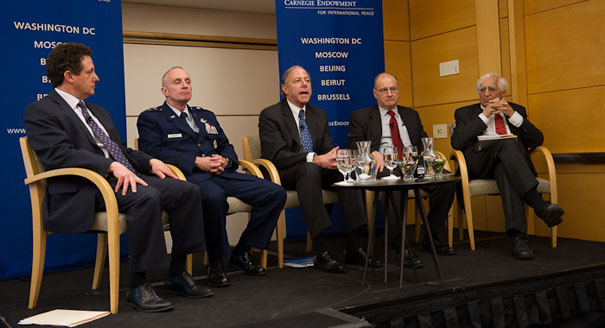
The Obama administration has promised to try to protect spending on nuclear weapons. But, should it? What would be the strategic consequences—to both deterrence and assurance—of cutting the nuclear budget?
The 2013 Carnegie International Nuclear Policy Conference will bring together over 800 experts and officials from more than 45 countries and international organizations to discuss emerging trends in nuclear nonproliferation, strategic stability, deterrence, disarmament, and nuclear energy.
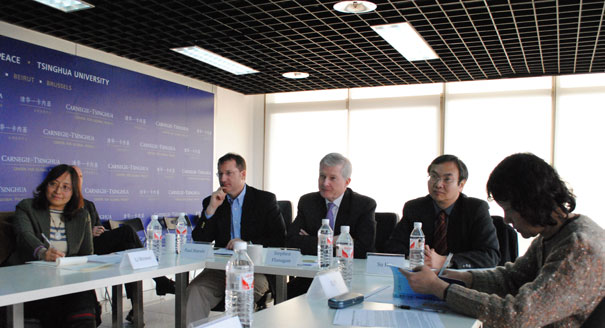
As the world’s focus shifts towards East Asia, multilateral institutions like NATO are seeking to increase their involvement and cooperation with China.
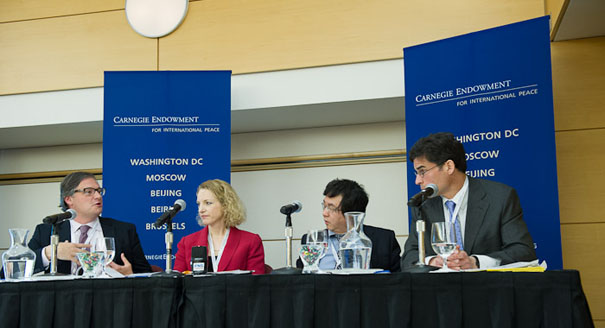
In the coming years, new fuel cycle technologies—notably laser enrichment and pyroprocessing— may be commercialized, sparking a vigorous debate about their proliferation impacts. How should we assess proliferation risks? And, who should perform the assessment?
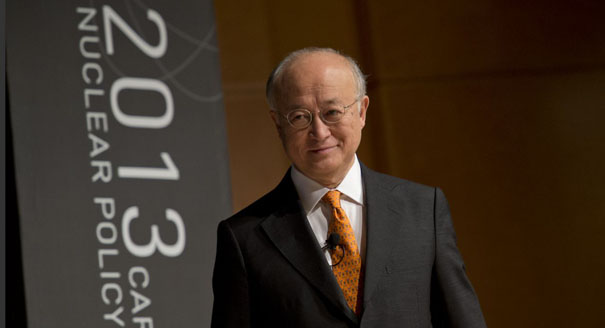
Yukiya Amano, director general of the International Atomic Energy Agency, gives a keynote speech at the Carnegie International Nuclear Policy Conference.
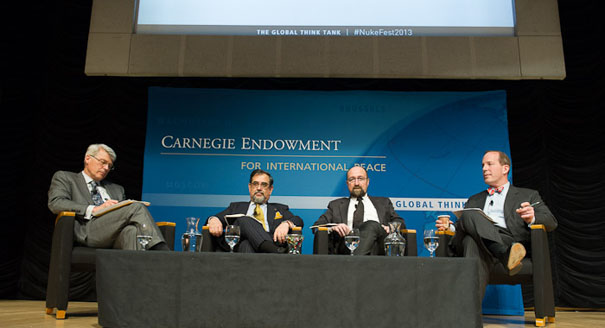
What are the respective obligations of the nuclear-weapon states and non-nuclear-weapon states to work in “good faith” toward disarmament under NPT Article VI? Can the nonproliferation regime be significantly strengthened in the absence of significant steps toward the goal of nuclear disarmament?
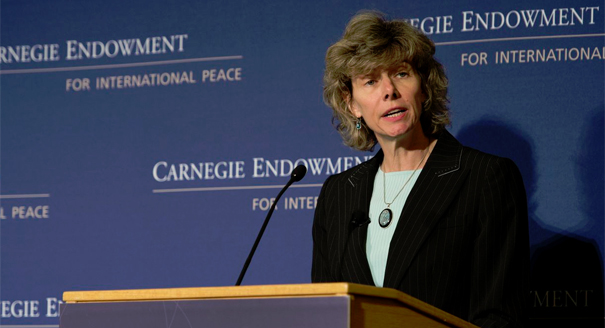
U.S. Nuclear Regulatory Commission Chairman Allison Macfarlane gives a keynote speech, and talks to New York Times energy reporter Matthew Wald.
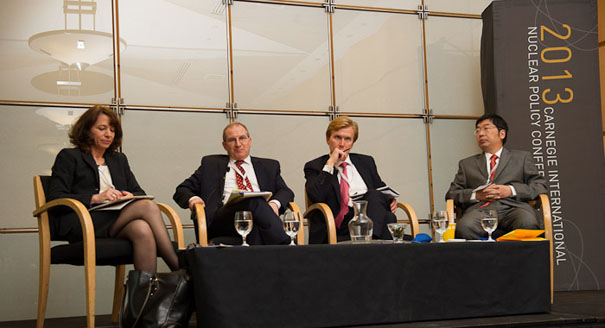
Do all nuclear-armed states accept that humanitarian law is applicable to their policies of nuclear deterrence and possible use? How could the use of nuclear weapons be consistent with humanitarian law?
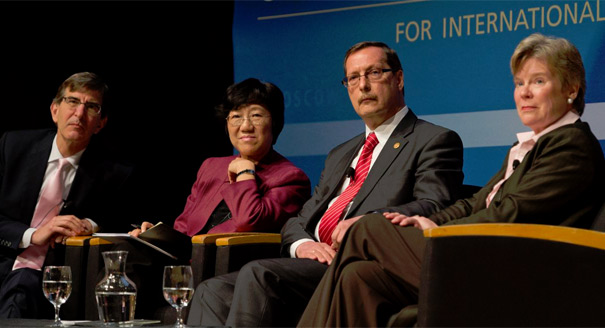
What evidence exists that other leaders share Obama's interest in the Prague agenda? What can be done to reinvigorate reciprocal progress on nonproliferation and disarmament?
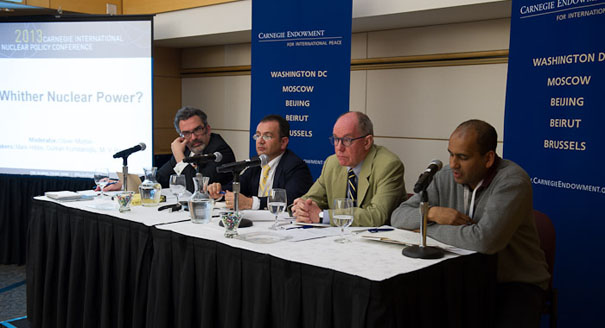
How will public opinion, the cheap price of natural gas, liability issues, and continued challenges of waste management affect nuclear energy policy?