Carnegie Moscow Center

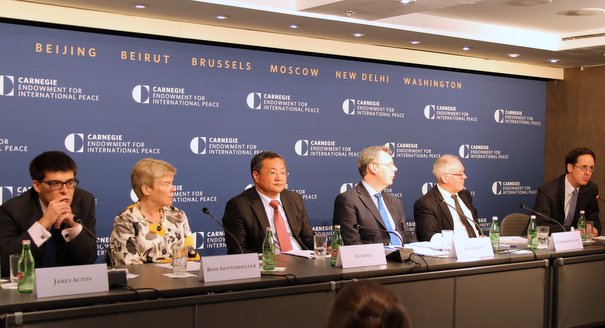
What is the current relationship between disarmament and strategic stability? How might arms control and disarmament change in the twenty-first century? What relevance does the security environment have in current and future arms control initiatives?
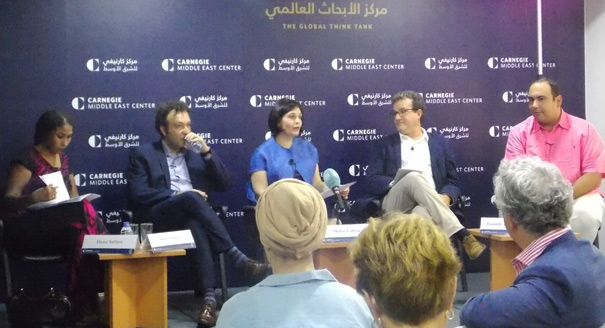
The Carnegie Middle East Center and Middle East Program are happy to announce the launch of Diwan, the new Carnegie blog featuring timely analysis on the region’s most pressing issues.
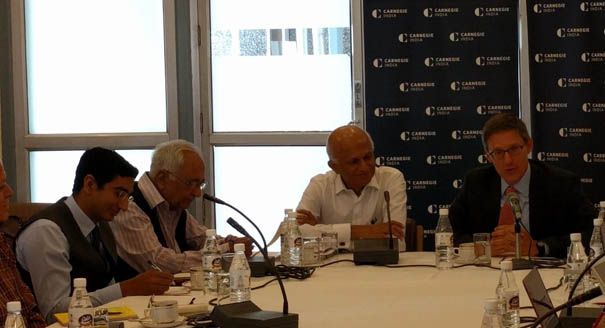
In an era defined by “pivots” and “resets,” the United States has maintained a precarious balance at home and abroad.
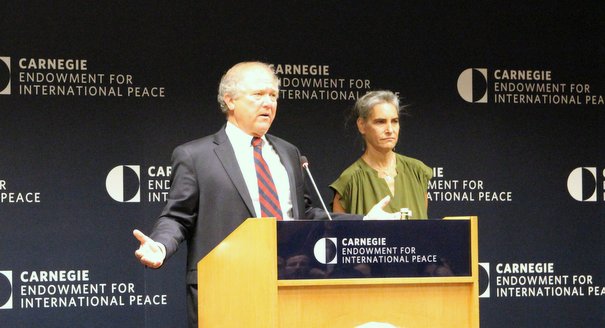
Corruption hardly topped the threat list when U.S. military forces and civilians first entered Afghanistan in 2001. But recognition of its devastating potential to undermine U.S. national security objectives is far higher today.
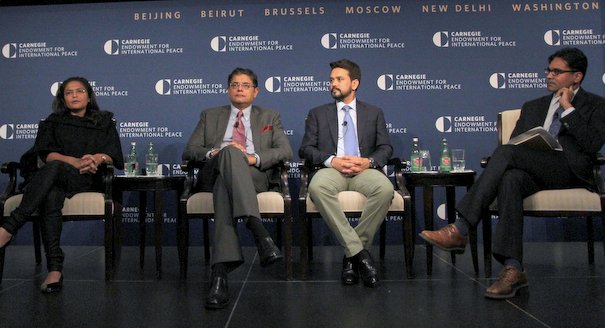
In early August, both houses of India’s parliament overwhelmingly passed a landmark Goods and Services Tax (GST) bill that will bring India closer to a common market than ever before.
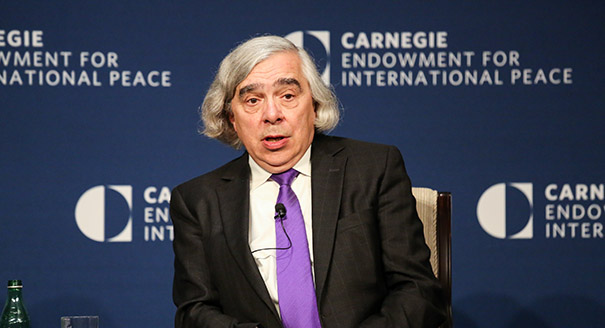
Much remains to be done globally in order to harness the power of nuclear energy while reducing the risk of nuclear materials and technologies falling into malicious hands.
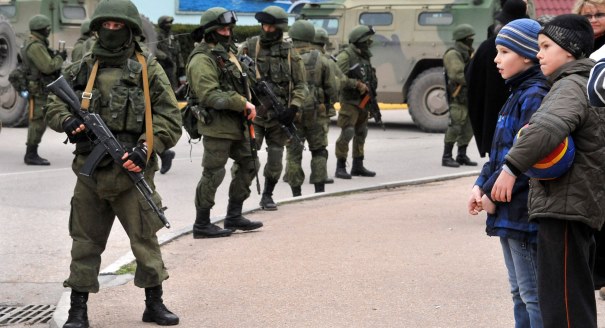
For more than two decades, addressing fragility has been an evolving bipartisan priority for U.S. policymakers. Yet growing understanding and consensus about the problem has failed to generate the strategic, unified, and long-term policies required to achieve solutions.
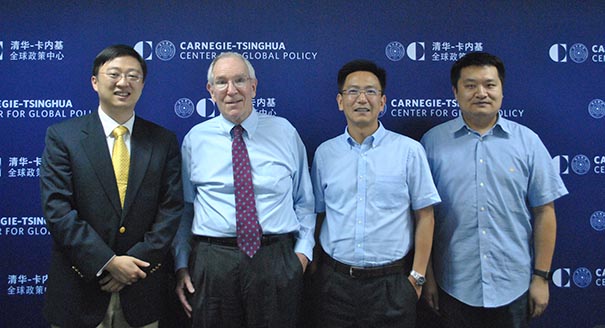
Donald Trump’s rise has fractured the Republican Party, leading many to wonder what the party will look like after the 2016 presidential election.
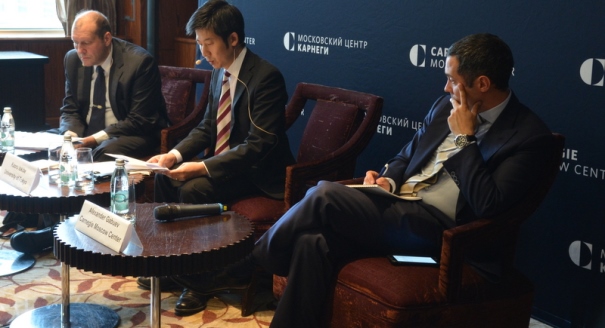
The Carnegie Moscow Center hosted a discussion about the role of history in the contemporary development of Russian-Japanese relations.
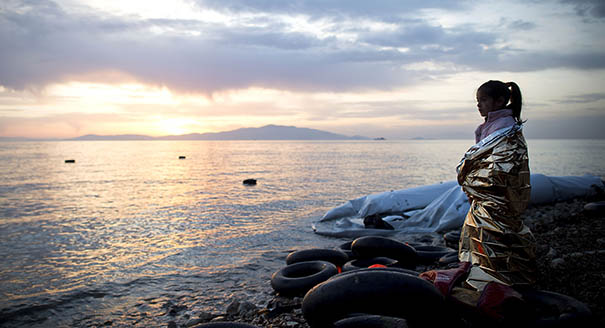
Scholars from Carnegie Europe and the Carnegie Middle East Center participated in a Reddit AMA on the refugee and migrant crisis.