Carnegie Moscow Center

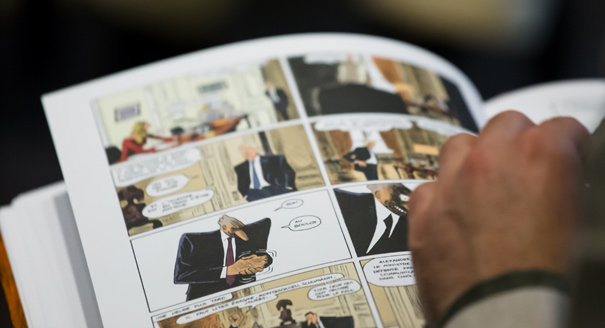
Carnegie Europe invited Antonin Baudry, former speechwriter to Dominique de Villepin, then French minister of foreign affairs, to discuss the acclaimed satirical graphic novel Quai d’Orsay.
The China-Pakistan Economic Corridor project may be based on economic principles, but broader strategic and security interests are driving both Beijing and Islamabad.
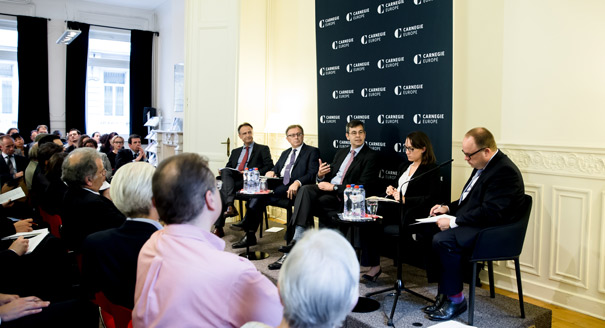
Amid conflicting threat perceptions and divisive questions across allies over budgets and burden sharing, how can NATO respond to this new configuration of challenges?
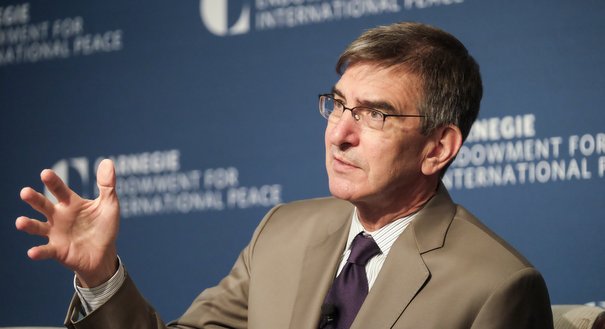
As the first anniversary of the signing of the Joint Comprehensive Plan of Action with Iran approaches, it is time to look ahead to the long-term implications of the agreement.
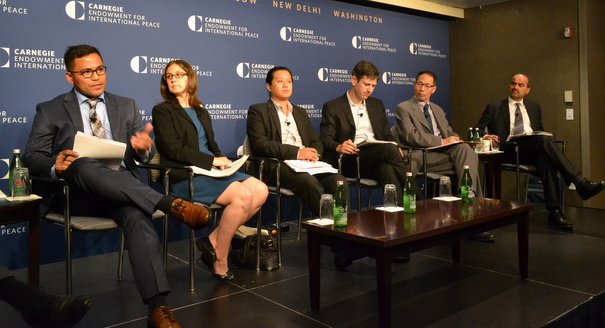
Myanmar’s abundant natural resources have served as the country’s main export revenue, but have also been a primary driver of conflict in ethnic areas. What should the newly elected government do to improve the governance of resource wealth in the country, and how can the international community assist?

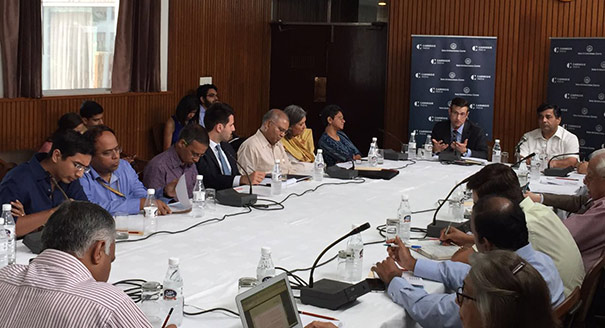
In a discussion on the important bilateral relationship between Russia and India, the Carnegie Moscow Center hosted Nandan Unnikrishnan and Manoj Joshi from the Observer Research Foundation in New Delhi, India.
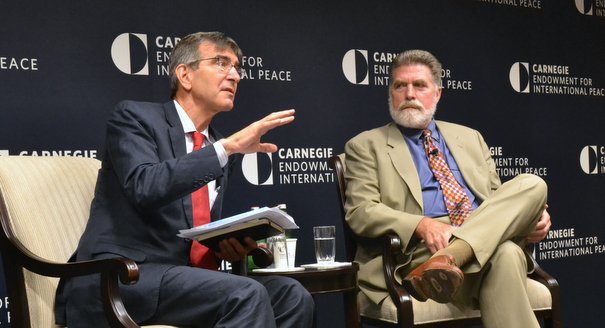
Should the United States do more to reduce the role of nuclear weapons in its security strategy and the number of weapons in its arsenal?
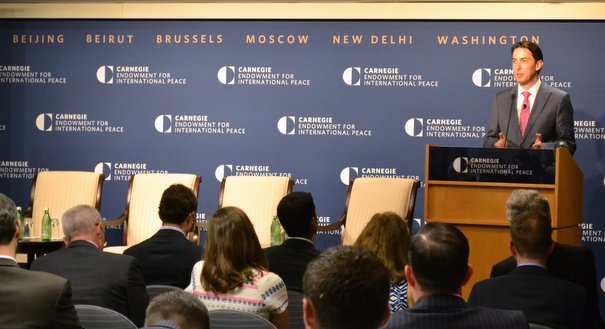
The oil market has been turned upside down over the past two years. How will future policies, designed to meet the Paris climate agreement, shape the future of oil demand?
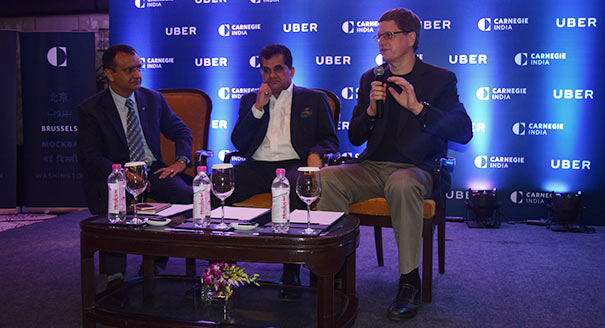
Technology has an immense potential to transform urban mobility.
States need to understand the security and commercial risks and opportunities at play in cyberspace in order to engage constructively with other states in this digital age.