Carnegie Moscow Center

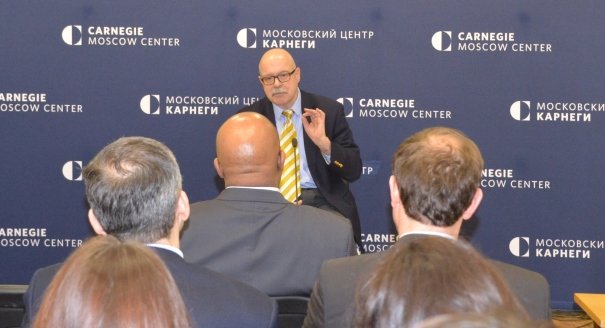
In 2014, Russia broke out of the post–Cold War order and openly challenged the U.S.-led international system. The new period of rivalry between the Kremlin and the West is likely to endure for years.
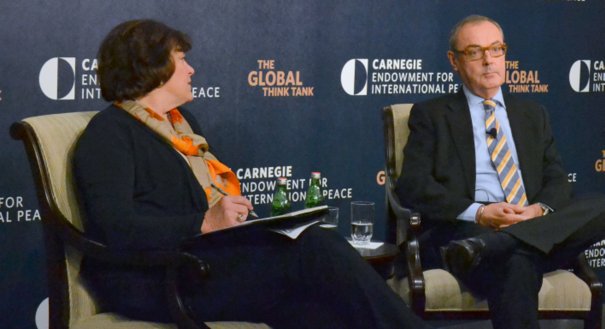
In his first major public event since becoming EU ambassador, David O’Sullivan offered his perspective on the many common challenges shared by the European Union and the United States.
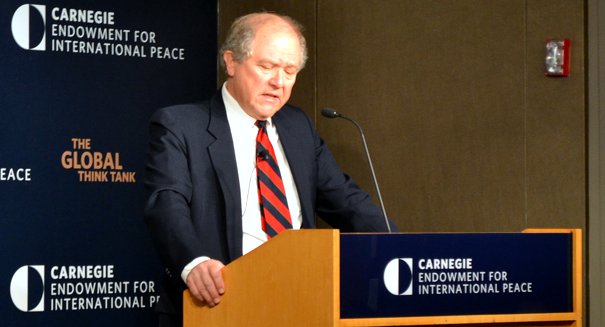
As U.S. and coalition forces in Afghanistan withdraw to their post-2014 minimums, many fear a similar sharp drop in foreign funding. The reconstruction effort is far from over, and a radical reduction in foreign aid could cripple the Afghan economy.
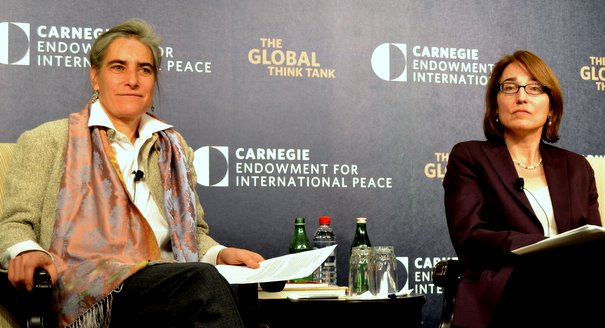
There is a powerful nexus between severe, systemic corruption and international security challenges, including violent extremism, mass atrocities, and state failure.
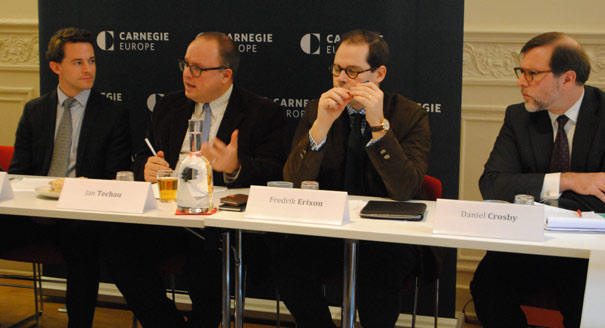
The world’s energy system looks very different today than in the fifty years following the second World War.
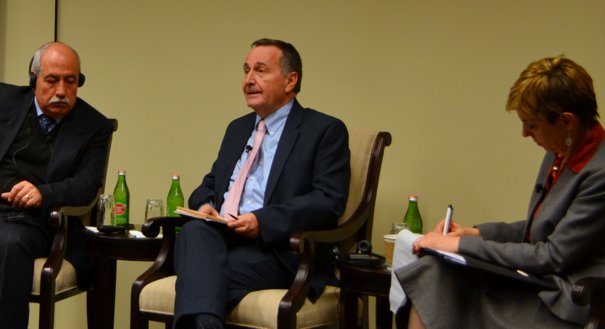
Violent attacks and counter attacks in Jerusalem have escalated as access to the Haram al-Sharif/Temple Mount has changed, raising the profile of the religious aspect of the Israeli-Palestinian conflict alongside its nationalist and territorial dimensions.
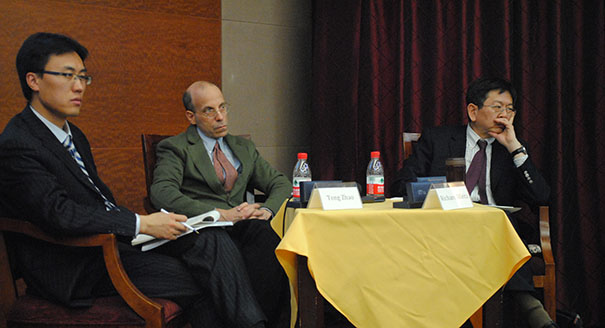
Opposing views on issues like ballistic missile defense and tactical nuclear weapons complicate, but should not preclude, trilateral security cooperation between Washington, Beijing, and Moscow.
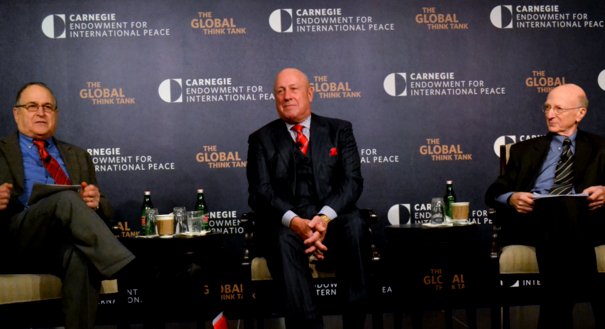
As Taiwan gears up for its regional “nine-in-one” elections, which will select candidates for a slew of municipal and local offices, many campaigns have focused on local issues. However, interested observers will endeavor to draw larger implications for the 2016 presidential and legislative elections.
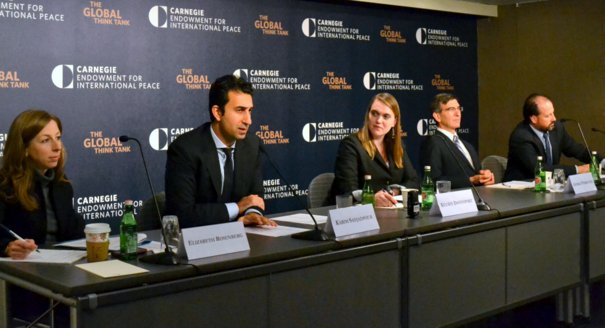
Negotiators from the P5+1 and Iran have agreed to extend the talks on Iran’s nuclear program to June 2015. Many issues are still to be solved, such as establishing a formula for verifiably limiting Iran’s uranium enrichment capacity as well as an acceptable process for relieving sanctions. Still, all parties to the talks have stressed the need to reach a comprehensive agreement.
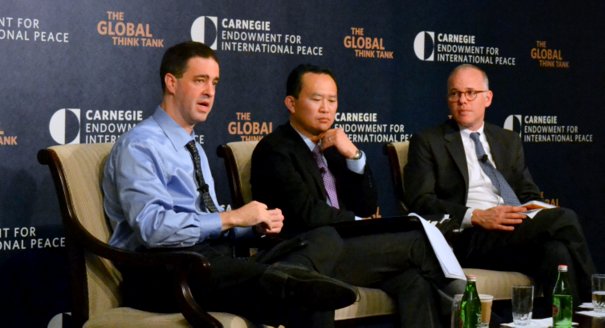
China is becoming an increasingly engaged actor globally, as it seeks more secure sources for its oil and the technology to produce a shale revolution of its own.