Carnegie Moscow Center

Efforts by the United States or China to secure future predominance in the Western Pacific will prove futile and dangerous, given a host of security, economic, and diplomatic factors. Instead, creating a stable de facto balance of power is necessary and feasible for both countries.

A conversation with UN Deputy Secretary General Jan Eliasson on the future of the United Nations and multilateralism in a changing global landscape.
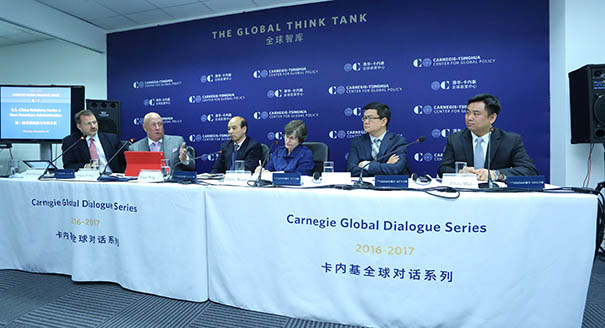
The next U.S. administration will need to find ways to capitalize on economic and trade opportunities in the Asia-Pacific while managing friction and working together with China.
While China’s infrastructure and trade initiative, One Belt One Road, has garnered interest in several Asian countries, fewer European countries have signed on.
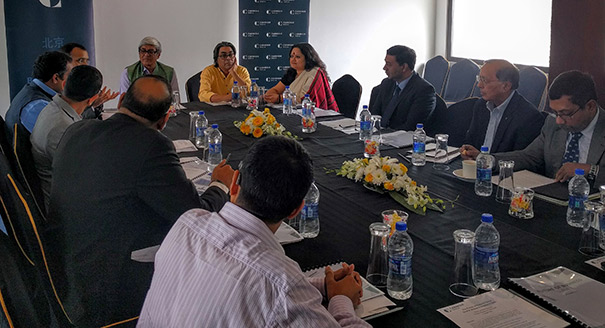
Despite recent steps taken by the government, the Small and Medium Enterprise sector in India is largely informal and continues to face significant problems.
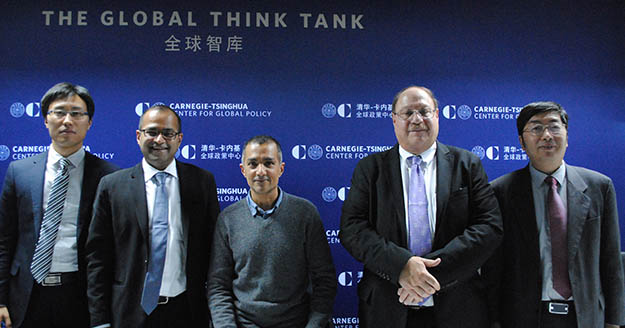
India’s growing space and anti-satellite technologies will have important implications in South Asia and beyond. How countries respond to these technologies could impact the existing nuclear balance in the region.
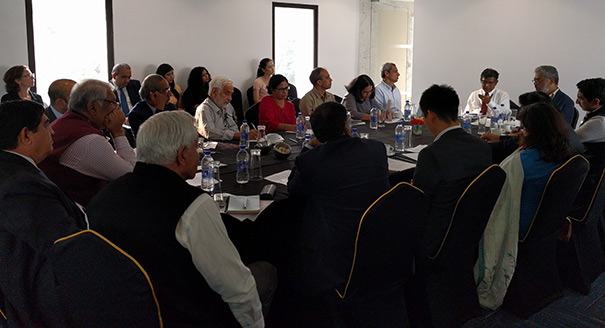
The Bay of Bengal once represented a major share of world trade. The Bay of Bengal Initiative for Multi-Sectoral Technical and Economic Cooperation (BIMSTEC) seeks to rediscover this common heritage through its stated goal of regional integration.
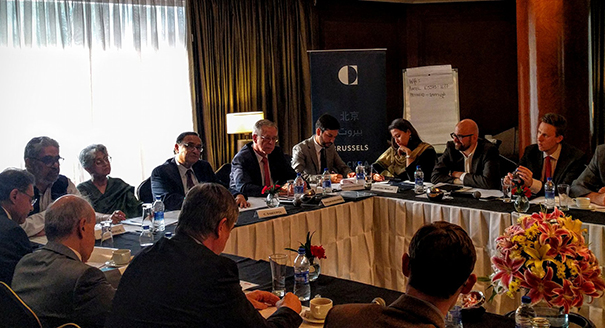
There are a number of new avenues for collaboration between the EU and India and practical ways to update the strategic partnership.
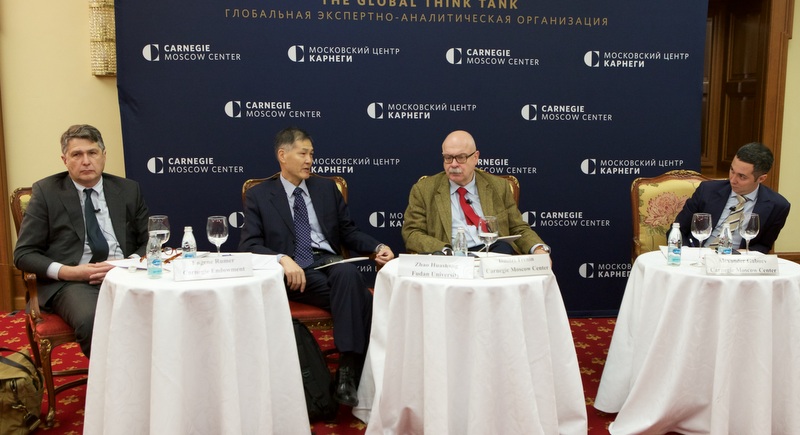
Carnegie Moscow Center organized a conference on contemporary issues in Central Asia.
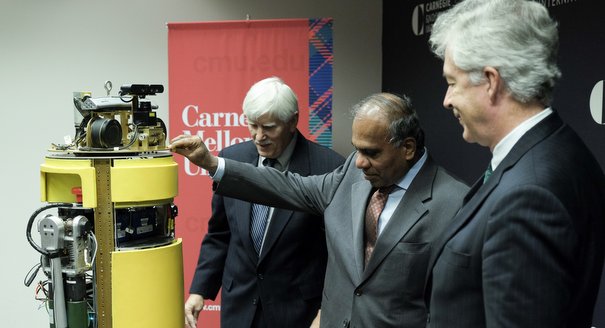
The Carnegie Endowment for International Peace and Carnegie Mellon University host the first session of their joint Colloquium on Digital Governance and Security.