Carnegie Moscow Center

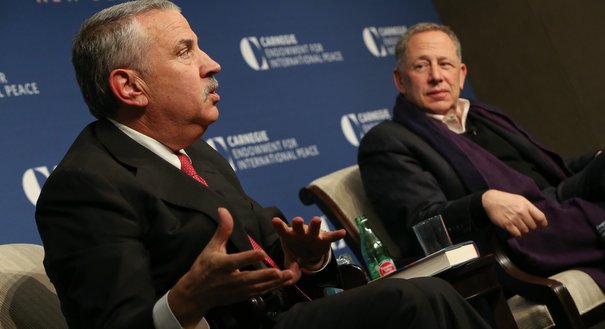
A conversation between Carnegie’s David Rothkopf and Thomas L. Friedman about why they believe optimism is the only logical conclusion an intellectually rigorous assessment of history can produce.
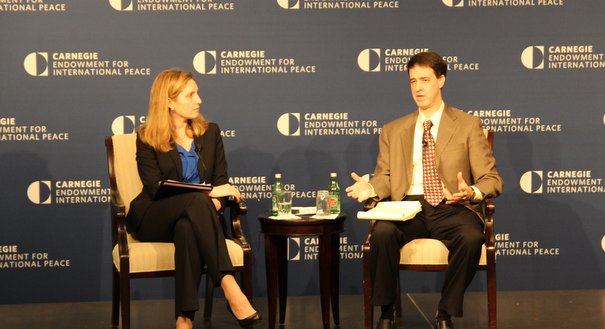
Conflicting paradigms have led to oversimplifications of China’s international impact and influence, both of which neglect the interplay between economics and geopolitics.
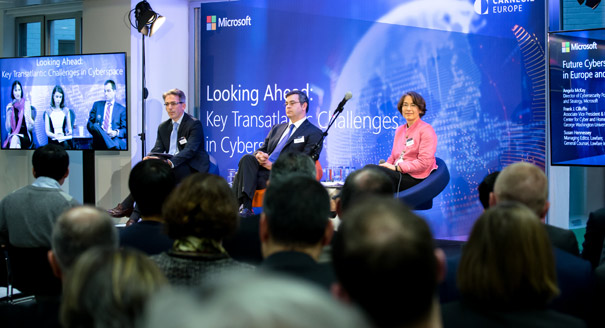
Governments and populations face growing threats from information warfare and cyberattacks, with little clarity on how to prevent or respond to them and what norms apply.
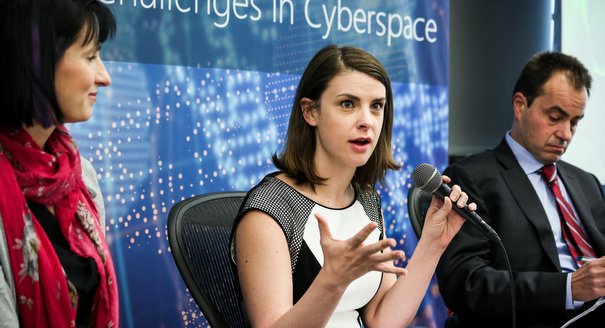
Governments and populations face growing threats from information warfare and cyberattacks, with little clarity on how to prevent or respond to them and what norms apply.
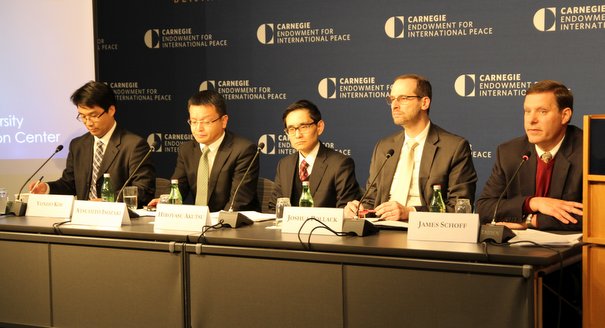
This half-day conference brings together experts on North Korea from the United States and Japan to sift through the latest information on North Korea’s economy, military, and society.
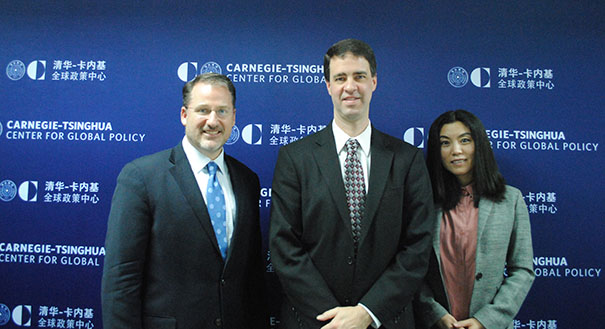
A conflicting paradigm of how countries view China’s global role has led to an oversimplification of China’s international influence that often neglects the interplay between economics and geopolitics.
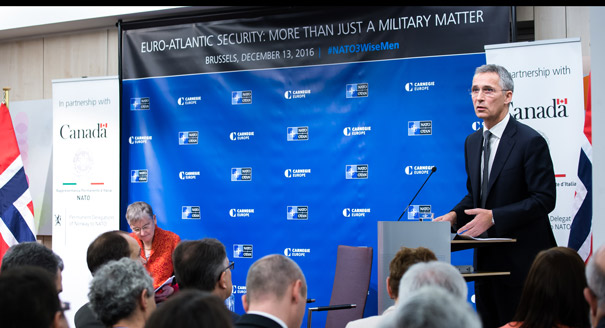
Marking the 60th anniversary of the landmark Three Wise Men report, this event will look at how transatlantic unity can be strengthened through greater nonmilitary cooperation within NATO.
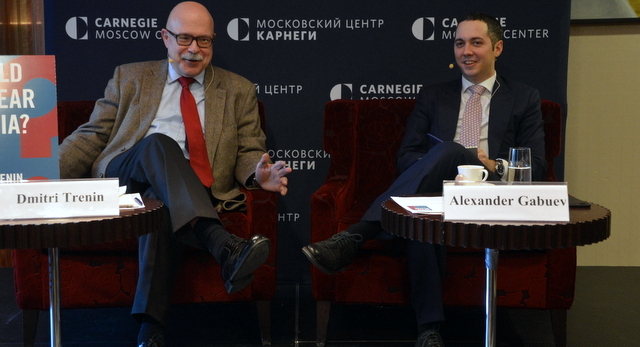
Carnegie Moscow Center hosted a launch of Dmitri Trenin’s new book, “Should We Fear Russia?”
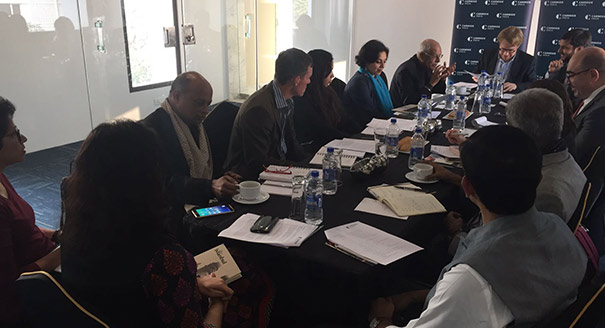
India’s security relations with Gulf States are changing, but New Delhi needs to develop a strategic and political calculation toward its interests in the region.
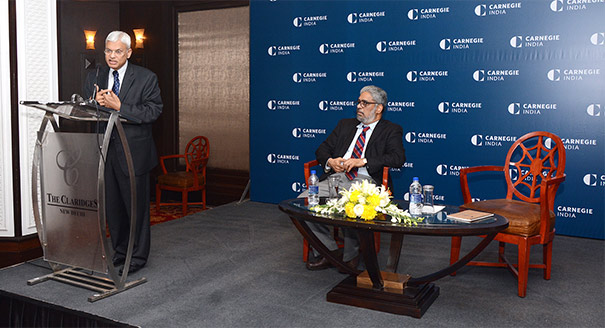
A recurring feature of U.S. policy toward South Asia is the invocation that India and Pakistan should resume their diplomatic dialogue. These exhortations are usually pronounced in the aftermath of a crisis, but the purpose of such a dialogue is often unclear.