Carnegie Moscow Center

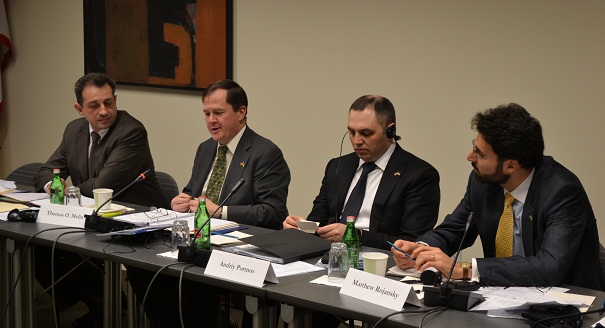
All eyes are on Ukraine as it assumes the 2013 OSCE Chairmanship and set the agenda for the year.
The first meeting of the regional think tank support project sought to explore the challenges and opportunities facing Arab think tanks during the Arab transitions and what role they can play in creating conditions for change.
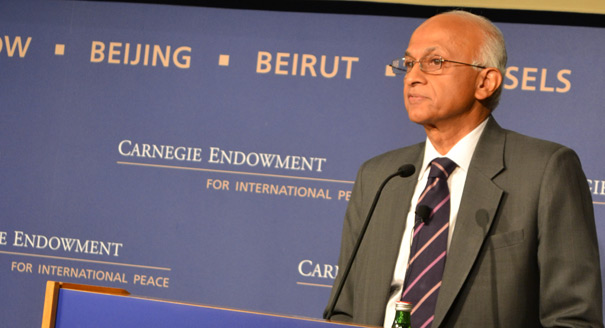
The U.S.-India bilateral relationship has witnessed a dramatic transformation during the last decade.

The uncertain global economy and poor performance of economic giants such as Japan has led to doubts over China’s ability to maintain an eight percent growth model.
The first introductory meeting of the youth network initiative took place in Egypt and sought to identify the primary issues facing the youth in the Middle East and North Africa, and map their priorities in terms of research and activism.
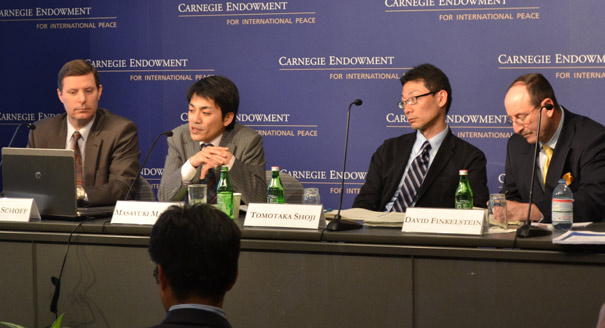
Two principal authors of a recent study by Japan’s National Institute for Defense Studies discussed their assessments of Chinese decision-making in the Communist Party leadership and policy coordination involving the army and the government.
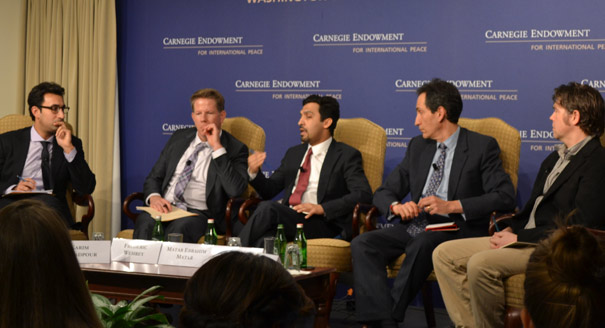
Bahrain epitomizes a U.S. dilemma in the Gulf that is likely to worsen as pressure for social and political change grows throughout the region.
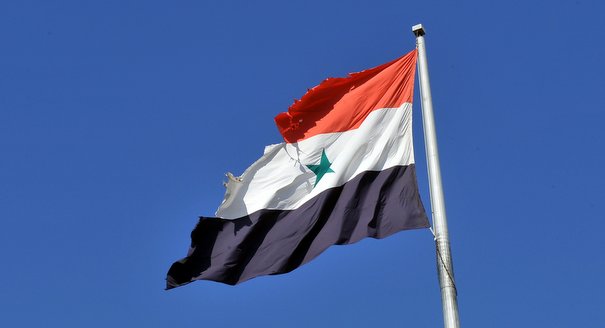
As Syrian dictator Bashar al-Assad clings to power, proxy battles among neighboring countries are helping determine which armed factions will emerge victorious from the rubble.
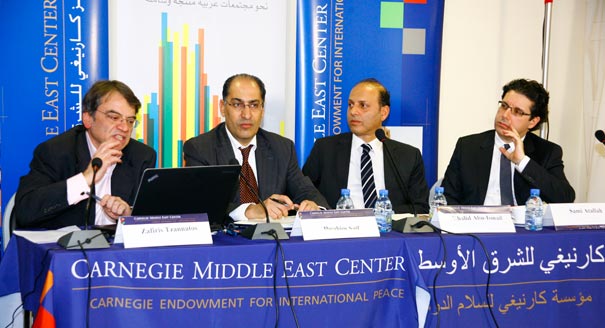
Although Arab economies are plagued by unemployment, income stratification, and worker inefficiency—creating productive and inclusive societies can still lift the region out of poverty.
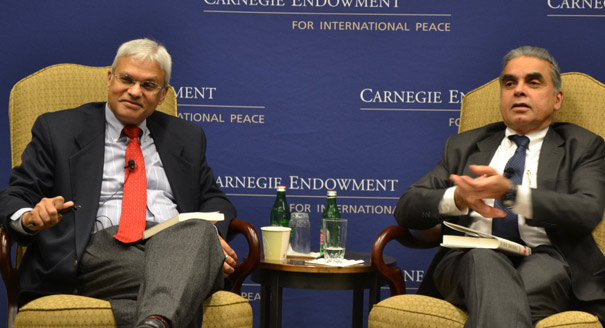
With the creation of a world-wide middle class, there is an unprecedented convergence of interests and perceptions, cultures and values: a truly global civilization. But while the world changes, ways of managing it must evolve.